
Greeting
Good day, dear Professor Doctor …,
I would now like to present the patient Rosemarie Stein to you.
She is 57 years old, 1.67 m tall and weighs about 72 kg. The body mass index (BMI) is 25.9 kg/m² and is therefore in the range of slight overweight.
Presenting complaint / current history
The 57-year-old patient presented to us because of a slowly progressive restlessness, nervousness, concentration problems and a fine high-frequency tremors of the hands that has been present for about four months.
According to her report, she also experienced an unintentional weight loss of 4 kg in the last two months despite a good appetite.
She stated that she had neither been on a diet nor exercised.
Accompanying symptoms include palpitations, occasional loose stools, exophthalmos, heat intolerance with increased sweating, alopecia, brittle nails and a pretibial non-pitting edema.
In addition, the patient stated that her shirt collar no longer fits. Previously size 40 was sufficient, she now needs size 42, which clinically suggests a possible goitre.
The following symptoms were denied:
Fever, sore throat, dysphagia, dysphonia, nausea/ vomiting, recent upper respiratory tract infections, headaches, dyspnea, chest pain, sudden-onset anxiety as well as recent drug- or medication use.
(The patient also denied any history suggestive of lymphadenopathy or related changes.)
Autonomic history
In the autonomic history there was insomnia with both difficulty initiating and maintaining sleep due to restlessness. In addition, there has been constipationfor about 10 years, which has improved somewhat in the last four months.
Past medical history
Her known prior medical conditions are the following:
The patient has suffered from chronic low back pain for 15 years due to an MRI-diagnosed disc prolapse, probably at L4/L5, which has so far been treated conservatively.
The patient has had hypercholesterolemiafor 7 years, which was diagnosed during a preventive examination.
At age 50, an asymptomatic cholecystolithiasiswas incidentally found on ultrasound; after surgical consultation no operative therapy was recommended.
She reported that 5 years ago she sustained a distal left radius fracture while gardening, which was treated with six weeks of immobilization in a plaster cast and analgesics.
The patient has had glaucoma in the left eye for 2 years.
Previous operations
Regarding prior operations, the patient stated that 10 years ago she suffered an approximately 2 cm long laceration which was treated with sutures.
Note: When a statement can be objectively confirmed by a medical examination – for example by visible scars – the indicative is appropriate. (No physical examination takes place in the specialist language exam.)
Gynaecology
Gynecologically, the patient reports being in menopause for about 8 years and is currently asymptomatic. Her obstetric history includes three spontaneous deliveries.
Medications
According to the prescription, the patient is currently taking the following medication:
Diclofenac 50 mg as needed
Simvastatin 20 mg in the evening
Valerian 300 mg
Fexofenadine 120 mg as needed
The patient has been using latanoprosteye drops (Xalatan®) for 2 years.
Note: When a statement can be objectively confirmed by a physician’s observation – for example by a prescription – the indicative is appropriate.
Allergies
She stated that she is allergic to birch pollen and almonds; this leads to allergic rhinitis with nasal congestion and sneezing.
Noxae (substance exposure)
Regarding noxae, the patient stated that she has been a non-smoker for 2 years. Previously she smoked about 10 cigarettes daily for 10 years, which corresponds to about 5 pack years .
Lately she drinks 1–2 glasses of wine regularly in the evenings to relax.
She denied drug use.
Social history
The patient reported that she is a retail saleswoman and works in a shop that mainly sells traditional costumes and dirndls.
Her husband died of a pancreatic carcinoma a year ago; she has been widowed since then.
She has three children aged 22, 18 and 15. Her 18-year-old daughter suffers from anorexia nervosa, so far without treatment.
Family history
The patient said her mother died at age 70 of a peritonitis due to a colon perforation.
Her father is 80 years old and lives in a nursing home. He has been receiving dialysis treatment for five years due to arterial hypertension and diabetes mellitus.
Suspected and differential diagnosis
In my opinion, the anamnesis – particularly weight loss despite appetite, heat intolerance, restlessness and symptoms such as palpitations and sweating – most likely points to thyrotoxicosis, which can be caused either by hyperthyroidism or by a non-hyperthyroid cause.
Causes of hyperthyroidism include Graves disease, a nodular goitre and, rarely, a TSH-secreting pituitary tumour. Thyrotoxicosis without hyperthyroidism is usually caused by excessive intake of thyroid hormones. Sometimes a subacute thyroiditis (de Quervain thyroiditis) underlying.
With a pheochromocytoma we typically expect headaches and arterial hypertension, which usually occur in paroxysms.
In a panic disorder one can expect sudden, pronounced anxiety, restlessness and dyspnea. Typically, however, symptoms such as weight loss despite good appetite or heat intolerance are absent.
(Human chorionic gonadotropin (hCG), a glycoprotein with high structural homology to TSH, can—at excessively elevated hCG levels as seen in hyperemesis gravidarum or choriocarcinoma—cause a transient pregnancy-associated hyperthyroidism.)
Diagnostic workup
In general, patients with hyperthyroidism can be managed on an outpatient basis.
Hospital admission is required for older patients in whom newly onset atrial fibrillation or an exacerbation of heart failure occurs as manifestations of hyperthyroidism.
physical examination
After the medical history, a thorough physical examination is performed. This begins with recording the vital signs, including heart rate, blood pressure (often systolic hypertension in hyperthyroidism), respiratory rate, oxygen saturation and body temperature.
This is followed by a targeted physical examination, starting with inspection. Among other findings, tremor, restlessness, irritability, heat intolerance (e.g., reflected in clothing), increased sweating, an exophthalmos, proptosis and onycholysis may be observed.
On palpation the thyroid may be diffusely enlarged (Graves’ disease) or show nodular changes. A tender thyroid is found in subacute thyroiditis (de Quervain).
Non-pitting edema is typical for pretibial myxedema.
The pulse may show tachycardia.
Percussion does not play a special role in the examination.
On auscultation a tachycardia may be present and in Graves’ disease a palpable thrill or an audible flow murmur over the thyroid can be detected. A systolic ejection murmur is often audible, and the apex beat may be accentuated.
In women one should ask about menstrual problems, in particular cycle length and bleeding amount.
Due to the suspicion of hyperthyroidism ask the seated patient to tilt the head backward to inspect the neck. Then stand behind the patient and palpate the thyroid with both hands. The patient should keep the head straight and not lift the chin. Place your thumbs at the patient’s nape and palpate with the remaining fingers, starting at the isthmus and moving laterally. Ask the patient to swallow during palpation.
(The thyroid is approximately 4 centimeters long, 2 centimeters wide and 1 centimeter thick.)
A fluctuation on palpation of the thyroid may indicate a cystic lesion. Tenderness may suggest an acute inflammatory process such as thyroiditis. A thyroid malignancy is often characterized by an especially hard swelling.
Laboratory tests
The diagnosis is made by an elevated fT4 value (above approx. 1.8 ng/dl) in combination with a suppressed TSH value (less than 0.5 mU/l).
In Graves’ disease positive TSH receptor autoantibodies (TRAK) are found; additionally thyroglobulin antibodies (anti‑Tg) and/or thyroperoxidase antibodies (anti‑TPO) may be detectable, particularly in a Graves–Hashimoto combination.
(Thyrotoxic patients may also have hypercalcemia or hypercalciuria, elevated alkaline phosphatase values, moderately elevated aminotransferases, as well as reduced or falling total and LDL cholesterol levels.)
Further investigations
Electrocardiogram
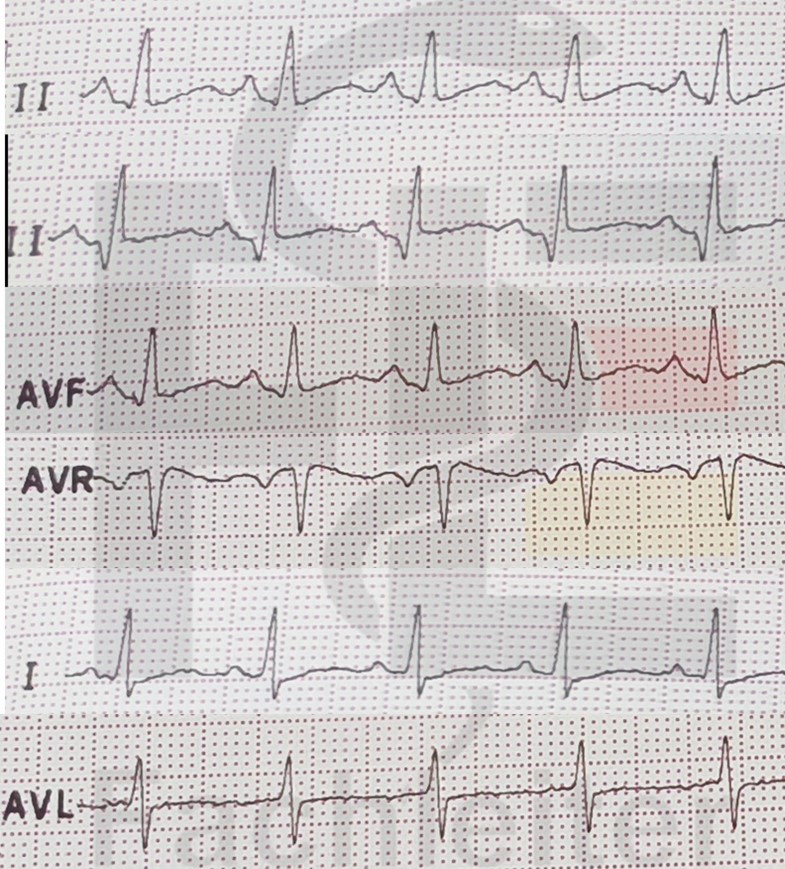
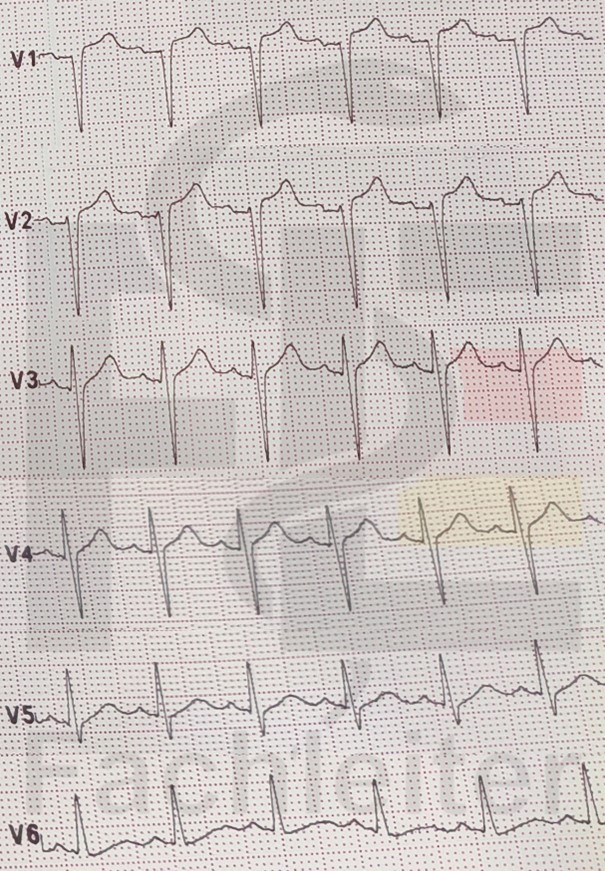
The ECG typically shows sinus tachycardia at rest or an atrial tachyarrhythmia, particularly atrial fibrillation. High R-wave amplitudes may also occur.
Sonography
Ultrasound can assess the size, structure, vascularization, symmetry and structural changes of the thyroid, including simple cysts, solid nodules and cystic nodules. Imaging of the surrounding structures also allows detection of cervical lymphadenopathy that may not be apparent on physical examination.
Scintigraphy:
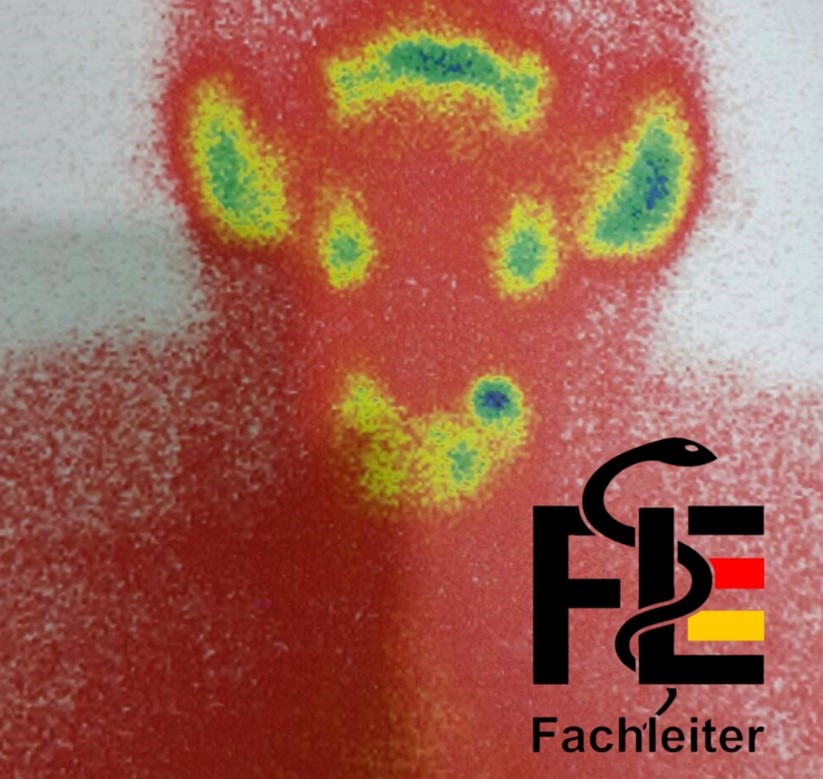
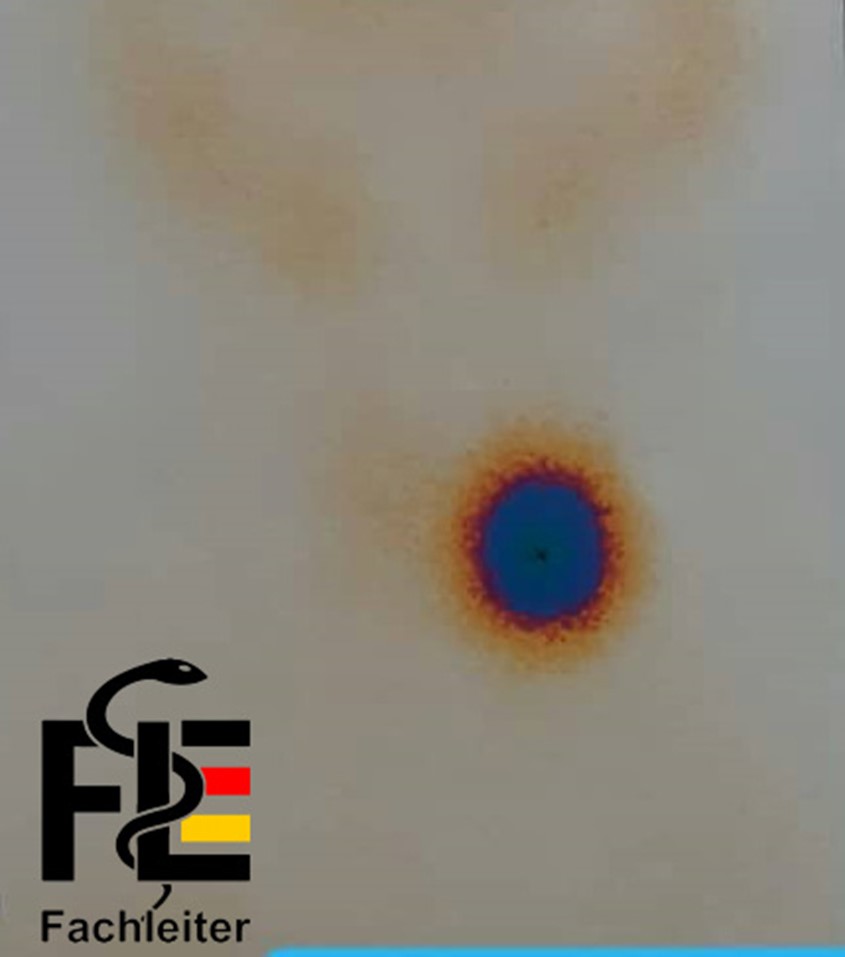
Indication for thyroid scintigraphy (using radioiodine‑123) when autonomous adenoma, multifocal autonomy is suspected or to clarify the functional status of thyroid nodules.
Areas of the thyroid that show increased uptake of the radioactive tracer are termed hot (hyperfunctioning) nodules. Ectopic thyroid tissue can also be detected.
In Graves’ disease a increased, homogeneous radioiodine uptake is seen.
Cold (hypofunctioning) nodules, by contrast, take up less or no tracer and may be indicative of malignancy. They often require further diagnostic evaluation.
Scintigraphy is a nuclear medicine imaging method in which radioactive substances (radiopharmaceuticals) are used to assess the function and metabolism of tissues and organs. A radioactive tracer is administered intravenously. Images showing the tracer activity are acquired with a gamma camera.
For the planned thyroid scintigraphy you receive a small amount of a weakly radioactive substance that accumulates in the thyroid. This allows us to assess thyroid function and structure. Fasting is not required. It is important that you have not taken iodine-containing medications or contrast agents in recent weeks. The examination must not be performed during pregnancy or breastfeeding.
Consultations
Endocrinology, Internal Medicine
Treatment
Thionamides
Methimazole, carbimazole and propylthiouracil inhibit the synthesis of thyroid hormones. Only propylthiouracil additionally blocks the conversion of T4 to T3.
Because these drugs only inhibit new hormone production, it takes 3–8 weeks for the effect to occur, since existing hormone stores must first be depleted.
Methimazole is the most commonly used antithyroid drug.
Propylthiouracil is used only as a second‑line agent because of possible liver damage, but is preferred in the first trimester of pregnancy and in thyrotoxic crisis.
Thyroid function should be checked every 3–12 weeks during therapy.
Radioiodine therapy
Surgery (thyroidectomy)
The treatment of choice for a toxic multinodular goiter with cosmetically disturbing goiter or compression symptoms is surgery. Operative therapy is also indicated if a thyroid nodule is suspected of malignancy.
Before the procedure an euthyroid state should be achieved with methimazole.
Complications
Thyrotoxic crisis (thyroid storm):
A rare but potentially life‑threatening complication of severe, persistent thyrotoxicosis.
Clinical presentation: fever, atrial tachyarrhythmias (e.g., atrial fibrillation), heart failure, nausea, vomiting, diarrhea, seizures; additionally agitation, psychosis, delirium up to coma.
Therapy: paracetamol and external cooling to reduce fever, β‑blockers, thionamides (e.g., methimazole or propylthiouracil), potassium iodide and glucocorticoids. Simultaneously rapid identification and treatment of underlying triggers (e.g., infection, surgery, trauma).
|
Additional information |
|
• A toxic adenoma is in almost all cases a benign thyroid neoplasm that autonomously, i.e., independent of TSH stimulation, synthesizes and secretes excessive thyroid hormones. • A toxic multinodular goiter, by contrast, consists of multiple nodules that likewise autonomously produce and release thyroid hormones. Clinically, a goiter typically presents as an enlarged thyroid with multiple palpable nodules. |
Extra
Names:
Ursula Glas, Tanja Seitz, Reinhold Stein
Occupatione:
Schneider
Details:
a quarter of a century = 25 years
It is noteworthy that the patient visited her general practitioner one month ago, who prescribed her Tavor.
Past medical history:
Hyperlipidemia could be controlled by diet for the first 5 years; thereafter treatment was continued with simvastatin.
Status post right wrist fracture 10 years ago with osteosynthetic fixation using screws and plates; the implants were later removed.
Status post left hip TEP 3 months ago
Status post cholecystectomy 3 years ago, without complications
Noxins:
For 2 years the patient has smoked 2–3 cigarillos daily.
Medications:
Omeprazole 20 mg
Allergies:
The patient is allergic to peanuts. The allergy manifests as angioedema; she therefore always carries an epinephrine auto‑injector with her.
Family history:
The patient’s father died 2 years ago from a hepatocellular carcinoma (with an anamnestically known excessive alcohol intake).
The mother suffered a stroke 6 months ago resulting in hemiparesis.
Social history:
married
Questions
1. What does noncompliance mean?
Noncompliance means that a patient does not adhere to the mutually agreed therapy or medical recommendations—for example, taking medications irregularly or not at all, missing follow‑up appointments or not implementing lifestyle measures.
2. What is a fine‑needle aspiration biopsy?
Fine-needle biopsy is a minimally invasive diagnostic procedure in which cells are taken from a nodule, e.g., the thyroid, using a thin needle under sonographic guidance. It is mainly used to clarify unclear thyroid nodules or suspected malignancy. Coagulation values should be checked before the examination and anticoagulant medications paused if possible. The procedure is usually minimally painful; local anesthesia is generally not necessary. Possible complications include bleeding, hematomas, infections, or, rarely, injury to adjacent structures.
3. What do you need for a fine-needle biopsy?
For a fine-needle biopsy you need:
• a thin puncture needle (usually 22–27G) and a syringe for aspiration,
• an ultrasound device for precise localization (especially for thyroid or lymph node punctures)
• sterile materials (gloves, swabs, skin disinfectant)
• if applicable, slides or tubes for specimen storage and forwarding to cytology
• dressing materials to cover the puncture site.
4. What types of tremor are there?
• Rest tremor → occurs at rest, improves with movement (e.g., Parkinson’s syndrome).
• Postural (holding) tremor → appears when holding a position against gravity (e.g., essential tremor, hyperthyroidism, anxiety).
• Intention tremor (goal-directed tremor) → increases with targeted movements, typical for cerebellar lesions.
5. What is the difference between an allergy and an intolerance?
• Allergy = immunological reaction
• Intolerance = non-immunological reaction, often due to an enzyme deficiency or a metabolic disorder
6. Where can radioactive iodine therapy be initiated and why?
Radioactive iodine therapy can only be performed in specialized nuclear medicine centers because it is a procedure strictly regulated under radiation law. Patients usually need to be isolated as inpatients for several days until radiation exposure falls below the legally prescribed limit. In addition, the therapy requires precise dosimetry and individualized indication by experienced nuclear medicine physicians.
7. If a patient is currently having a severe allergic reaction to peanuts, should adrenaline be injected?
Yes.
In an acute severe allergic reaction (anaphylaxis) – e.g., with shortness of breath, angioedema, blood pressure drop or circulatory reaction – intramuscular adrenaline (i.m.) is the first-line treatment. Usually an adrenaline auto-injector is administered (e.g., into the thigh muscle).
|
Aspect |
Anorexia nervosa |
Bulimia nervosa |
|
Duration |
≥ 6 months |
≥ 6 months |
|
Core symptom |
Fear of weight gain, preoccupation with body weight |
Recurrent binge-eating episodes |
|
Typical behaviors |
Refusal to eat despite appetite |
Vomiting |
|
Onset |
Mostly 10–30 years, predominantly women |
Mostly 10–30 years, predominantly women |
|
Comorbidities |
Frequently depression, affective disorders |
Frequently depression & affective disorders |
|
Therapy |
Psychotherapy (especially family therapy) + fluoxetine |
Cognitive behavioral therapy (CBT) + SSRI (e.g., fluoxetine) |
Notes
BMI
Body Mass Index (BMI)
The BMI is a simple ratio measure for classifying body weight. It is calculated by dividing weight in kilograms by the square of height in meters. In adults it is used for rough classification of underweight, normal weight and overweight; a value around 25 is usually regarded as mild overweight.
m²
m² (square meters)
The unit m² denotes an area; a square with a side length of 1 meter has an area of 1 m². In the BMI formula m² stands for the square of the body height in meters (height in m squared).
Tremors
Tremors (tremor, shaking)
Tremor refers to involuntary, usually rhythmic muscle contractions that appear as visible or palpable shaking. Tremors can occur at rest, with posture (postural) or during goal-directed movements (intentional); a fine tremor of the hands describes small, rapid oscillations of the hands.
Palpitations
Palpitations
Palpitations are subjectively perceived heartbeats felt as racing, pounding, or skipped beats. They can range from harmless extrasystoles to clinically relevant arrhythmias or systemic causes; accompanying symptoms and examination findings are important for assessment.
Exophthalmos
Definition: Protrusion of one or both eyeballs from the orbit.
Cause: Often caused by autoimmune processes in Graves’ disease; inflammatory and fibroblastic changes of the retroorbital tissue lead to deposition of glycosaminoglycans and tissue expansion behind the eye.
Pretibial non-pitting edema
Definition: Localized, non-pitting swelling over the shins, referred to as pretibial myxedema.
Cause: Immune-mediated processes in Graves’ disease lead to deposition of glycosaminoglycans in the cutaneous tissue and thus to the characteristic resistance to pressure.
Dysphagia
Definition: Dysphagia denotes a disorder of swallowing with difficulty in transporting food or liquids.
Differentiation: Oropharyngeal and esophageal forms are distinguished (problems initiating swallowing vs. transporting through the esophagus).
Clinical relevance: The occurrence of dysphagia can indicate mechanical obstructions, neuromuscular diseases or inflammatory processes and should be appropriately investigated.
Dysphonia
Dysphonia
Term and characteristics: Dysphonia describes impaired voice production with changes in volume, timbre or voice quality. Affected individuals often complain of hoarseness, strained speech or rapid vocal fatigue.
Causes: Causes can be functional voice disorders (e.g., overuse), organic changes of the vocal folds (polyps, nodules, inflammations) or neurological diseases of the larynx and vocal cord nerves.
Important diagnostic notes: Newly onset or rapidly progressive voice changes, complete loss of voice, swallowing difficulties, shortness of breath or bloody expectoration require prompt specialist evaluation (ENT/phoniatrics).
Nausea
Nausea
Term and characteristics: Nausea denotes the unpleasant sensation of nausea or retching without necessarily vomiting. Patients often describe a pressing or wave-like discomfort in the upper abdomen or behind the sternum.
Causes and accompanying symptoms: Causes are diverse and range from gastrointestinal diseases to metabolic disorders, medication side effects, vestibular disorders to cerebral causes. Accompanying signs can include pallor, increased salivation and autonomic symptoms.
Emesis
Emesis
Term and characteristics: Emesis denotes the active expulsion of stomach or intestinal contents through forceful contractions of the abdomen and diaphragm. Vomiting is an observable, objective action as opposed to the subjective nausea.
Causes and differential diagnoses: Vomiting can be triggered by gastrointestinal infections, obstructive processes, metabolic disturbances, central (e.g., vestibular or cerebral) causes or medication effects.
Warning signs: Bloody or bilious (greenish) vomiting, projectile emesis, signs of dehydration or circulatory instability, and neurological symptoms require urgent medical evaluation.
recent upper respiratory tract infections
recent upper respiratory tract infections
Term and characteristics: This refers to acute infections of the nasal, paranasal sinus, pharyngeal and laryngeal regions, typically caused by respiratory viruses or less commonly bacterial pathogens.
Typical symptoms: Common complaints include a runny nose, sore throat, hoarseness, cough, sneezing and possibly mild fever. The course is usually self-limiting.
Clinical relevance: A preceding upper respiratory tract infection can promote sequelae or act as a trigger for certain secondary diseases (e.g., as a possible trigger for subacute thyroiditis). In the present history, such recent infections were denied by the patient.
Cephalalgia
Cephalalgia
Dyspnea
Dyspnea
Shortness of breath
Drug-
Cocaine / amphetamines
Insomnia
Insomnia
Sleeplessness
Constipation
Constipation
The constipation
Disc prolapse
Disc prolapse
A disc prolapse describes the protrusion of the gelatinous core (nucleus pulposus) through the outer fibrous ring (anulus fibrosus) of an intervertebral disc with possible compression of nerve roots. Typical consequences are local back pain and radicular symptoms such as radiating pain, sensory disturbances or motor impairment. Causes can include degenerative changes, mechanical overload or trauma. According to the patient’s MRI, she has had chronic low back pain for 15 years due to a likely disc prolapse at the L4/L5 level; so far conservative treatments have been performed.
Hypercholesterolemia
Hypercholesterolemia
Increase in cholesterol concentration in the blood, with elevated LDL levels being particularly clinically relevant. In the patient, hypercholesterolemia was diagnosed about seven years ago during a preventive examination.
Cholecystolithiasis
Definition: Cholecystolithiasis describes the presence of gallstones within the gallbladder.
Risk factors: Commonly associated are female sex, older age, obesity, pregnancy, positive family history and a high‑fat diet.
Clinical presentation: Many affected individuals remain asymptomatic. In symptomatic cases, colicky pain in the right upper abdomen typically occurs, often accompanied by nausea and occasional vomiting.
Therapy and course: Symptomatic gallstone disease is often treated surgically, usually minimally invasively by laparoscopic cholecystectomy; for asymptomatic incidental findings a conservative approach is often preferred.
Complications: Possible sequelae include acute inflammation of the gallbladder, migration of stones into the bile duct leading to biliary obstruction, and secondary pancreatitis.
Glaucoma
Term: Glaucoma denotes a chronic disease of the optic nerve that is often associated with increased intraocular pressure and can lead to irreversible visual field defects.
Risk factors: Older age, positive family history, diabetes mellitus, arterial hypertension, high myopia and long‑term corticosteroid therapy increase the risk of glaucoma.
Clinical presentation: In the early stage changes are often unnoticed; progressive damage manifests as increasing restrictions in the visual field. In an acute glaucoma attack, severe eye pain, headache, nausea and visual disturbances occur.
Treatment: The goal is to lower intraocular pressure using topically effective medications, possibly supplemented by laser or surgical procedures.
Laceration
Definition and description: A laceration is a trauma‑induced, usually irregular injury to the skin and soft tissues (cut or tearing wound).
Diclofenac
Classification: Diclofenac is a nonsteroidal anti‑inflammatory drug (NSAID) with analgesic, antipyretic and anti‑inflammatory effects.
Mechanism of action: It acts primarily by inhibiting cyclooxygenase enzymes and thereby reduces the formation of prostaglandins.
Indications: It is used for the symptomatic treatment of pain and inflammatory complaints.
Important risks: Use can cause gastrointestinal complaints up to ulcers, renal function impairment and allergic reactions; prolonged or high‑dose use carries increased cardiac and vascular risks. Taking it on an empty stomach can increase the risk of gastrointestinal side effects.
Simvastatin
Class: Lipid‑lowering agents (statins)
Mechanism of action: Inhibits the hepatic enzyme HMG‑CoA reductase, thereby reducing endogenous cholesterol synthesis and particularly lowering LDL cholesterol.
Indications: For the treatment of elevated cholesterol levels and to reduce cardiovascular events in patients at increased risk.
Important risks: Gastrointestinal complaints and headaches may occur; relevant are also changes in liver enzymes and muscle‑specific adverse effects up to myopathy or rhabdomyolysis. Interactions with drugs that inhibit CYP3A4 increase the risk of side effects.
Valerian
Class: Herbal sedative and sleep aid (valerian root preparation)
Mode of action and use: Valerian is traditionally used to relieve mild difficulties falling asleep and nervous restlessness; its calming effect is based on effects in the central nervous system.
Side effects and precautions: Occasionally dizziness, headaches or gastrointestinal complaints occur. Concurrent use with other sedative substances may potentiate the calming effect.
Fexofenadine
Class: Second‑generation antihistamine
Effect: Blocks peripherally located H1 receptors and has only minimal central nervous system depressant effects compared with older antihistamines.
Indications: Treatment of allergic rhinitis and chronic spontaneous urticaria.
Side effects and interactions: Commonly headaches or nausea may occur; sedation is generally low. Concurrent intake of certain fruit juices can reduce absorption.
Latanoprost
Class: Prostaglandin F2α analogue (topical glaucoma medication)
Mechanism of action: Promotes uveoscleral outflow of aqueous humor and thereby lowers intraocular pressure.
Indication and use: Used for open‑angle glaucoma and ocular hypertension; administered as local eye drops, usually once daily.
Side effects: Locally increased iris pigmentation, thickening or lengthening of eyelashes, conjunctival redness and irritation can occur; systemic side effects are rare.
Pancreatic carcinoma
Brief overview
Pancreatic carcinoma is a malignant neoplasm of the pancreas. The tumor most commonly arises in the head region of the gland.
Clinical presentation
Clinical signs often appear late. Typical symptoms are painless jaundice, upper abdominal pain, unintended weight loss and the new onset of diabetes mellitus in adulthood.
Prognosis
The disease overall has a poor prognosis because it is often detected only at an advanced stage.
Pack‑years
Definition and calculation
Pack‑years are a common measure for assessing cumulative tobacco exposure. It is calculated by dividing the number of cigarettes smoked daily by 20 and multiplying the result by the number of years of smoking.
Example
Someone who smoked 10 cigarettes daily for 10 years therefore has accumulated 5 pack‑years.
Peritonitis
What is peritonitis?
Peritonitis denotes inflammation of the peritoneum, the membrane that lines the abdominal cavity and surrounds most abdominal organs.
Causes
Common triggers are bacterial infections after perforations of the gastrointestinal tract, injuries or postoperative complications; chemical irritations can also cause peritonitis.
Clinical signs and treatment
Typical findings are severe abdominal pain with tenderness, worsening with movement, fever, nausea and increased heart rate. Treatment generally targets the underlying cause and often includes surgical intervention as well as antimicrobial therapy.
Dialysis treatment
Basic principle of dialysis
Dialysis is a medical procedure to support or replace kidney function, in which excess fluid and uremic substances are removed from the blood.
Purpose and use
The measure is used when the kidneys can no longer adequately perform their cleansing function. The aim is to stabilize the internal milieu and to reduce toxins and volume overload.
Graves’ disease
Brief description
Graves’ disease is an autoimmune disease of the thyroid in which autoantibodies against the TSH receptor permanently stimulate the thyroid and thereby cause hyperfunction.
Clinical features
Typical features are hyperthyroidism symptoms such as weight loss, nervousness, palpitations and heat intolerance; thyroid‑specific accompanying findings such as an enlarged thyroid and possibly orbital changes (thyroid eye disease) often occur.
Pathophysiology and significance
The disease‑causing antibodies activate the TSH receptor, leading to increased hormone production and release. Graves’ disease is one of the most common causes of overt hyperthyroidism in adults.
de Quervain thyroiditis
Definition and cause
De Quervain thyroiditis is a mostly viral, subacute inflammation of the thyroid that is not autoimmune in origin.
Clinical presentation and findings
Patients often complain of pain in the neck and thyroid region and tenderness; fever and general weakness symptoms may occur. At onset a temporary hyperthyroid phase often appears. Laboratory tests show elevated inflammatory markers (e.g. ESR, CRP) and sonography reveals typical changes.
Treatment and prognosis
Treatment depends on the severity of symptoms: symptomatic measures with nonsteroidal anti‑inflammatory drugs are usually first‑line; glucocorticoids are used for severe courses. In most cases full recovery occurs without permanent functional impairment.
Blood pressure
What is blood pressure?
Blood pressure describes the pressure of circulating blood on the vessel walls and is an important vital parameter.
Measurement and devices
Noninvasive measurement with an inflatable cuff includes the blood pressure cuff, a pump device to inflate and a pressure display instrument (manometer). In the auscultatory technique a stethoscope is additionally used to hear Korotkoff sounds and determine systolic and diastolic values.
Respiratory rate
Definition and classification
The respiratory rate indicates the number of breaths per minute. In adults a respiratory rate of about 12–20/min is considered normal.
Deviations
An increased breathing rate is called tachypnea (usually >20 breaths per minute), a slowed breathing rate is called bradypnea (generally <12 breaths per minute).
Oxygen saturation
Oxygen saturation
Oxygen saturation (SpO2) is a noninvasively determined estimate of the arterial oxygen content of the blood. It is commonly measured with a pulse oximeter, which determines arterial saturation by light absorption at the finger, earlobe, or toe. Readings can be distorted by poor perfusion, movement, nail polish, or certain hemoglobin variants (e.g., carbon monoxide- or methemoglobin). In the physical examination, SpO2 measurement is part of the vital signs and provides additional information on respiratory function.
Body temperature
Body temperature
Body temperature is measured at various sites; rectal measurement most closely approximates core temperature and is often regarded as the reference. Measurements in the mouth (oral) or in the axilla are generally lower than rectal temperature.
Axillary: +0,5 °C to be added,
Oral: i.e. +0,3–0,5 °C to be added
Rectal: considered the reference value
Proptosis
Proptosis
Proptosis describes the protrusion of an eyeball from the orbit. To objectively determine the extent, an exophthalmometer can be used to quantify the bulging relative to the orbital rim. It is important to assess side-to-side differences and accompanying symptoms (e.g., movement or vision disturbances); imaging diagnostics may be necessary for unclear findings.
PatientSalutation: Mr/Ms Senior Physician ……….., I would like to present the patient Ms Rosemarie Stein to you. |
Date22/09/2025 |
| Age 57 years | Weight 72 kg | Height 167 cm |
Allergies (keywords)
Birch pollen/almonds → allergic rhinitis (stuffy nose, sneezing)
Recreational drugs / substances (keywords)
Smoking: 10 cigarettes/day for 10 years (≈ 5 pack-years), quit 2 years ago
Alcohol: regularly 1–2 glasses of wine in the evenings
Drugs: denied
Social history (keywords)
Occupation: retail saleswoman (traditional costumes, dirndl)
Marital status: widowed (husband died 1 year ago of pancreatic cancer)
Children: 3 (22, 18, 15 years), daughter (18 yrs) with anorexia nervosa, untreated
Family history (keywords)
Mother: died at 70 years from peritonitis (colon perforation)
Father: 80 years, lives in a nursing home, on dialysis for 5 years due to arterial hypertension and diabetes mellitus
Medications (keywords)
Diclofenac 50 mg as needed
Simvastatin 20 mg at night
Valerian 300 mg
Fexofenadine 120 mg as needed
Latanoprost eye drops (Xalatan®) for 2 years
History (full sentences)
The 57-year-old patient presented because of approximately four months of slowly progressive restlessness, nervousness, concentration problems, and a fine tremor of the hands.
Over the last two months she reports an unintentional weight loss of 4 kg despite a good appetite.
Accompanying symptoms include palpitations, occasional loose stools, exophthalmos, heat intolerance with increased tendency to sweat, alopecia, brittle nails, and a non-pitting pretibial edema.
She also reported that her shirt collar no longer fit (from size 40 to 42), which clinically indicates a goiter.
Denied were fever, sore throat, dysphagia, dysphonia, headaches, dyspnea, chest pain, nausea/vomiting, anxiety disorders, recent infections, drug or medication use.
Autonomic there is insomnia with difficulty falling and staying asleep due to restlessness. She also reported that a constipation present for 10 years has somewhat improved in recent months.
On Past medical history are chronic low back pain due to disc prolapse (L4/5, treated conservatively), hypercholesterolemia for 7 years, asymptomatic cholecystolithiasis (sonographic, no indication for surgery), a distal left radius fracture 5 years ago (conservative), and known glaucoma of the left eye for 2 years.
Previous surgery: 10 years ago suture of a 2 cm laceration.
Gynecological the patient has been in menopause for 8 years, three spontaneous deliveries in the medical history.
Suspected diagnosis – Differential diagnosis (full sentences)
The symptom complex of weight loss despite appetite, heat intolerance, restlessness, palpitations and sweating most likely indicates thyrotoxicosis, caused for example by Graves disease, multinodular goiter, less commonly a pituitary tumor, or through exogenous hormone intake or a de Quervain thyroiditis.
Differentially, one should also consider a pheochromocytoma (typical: headaches, paroxysmal arterial hypertension).
Further approach – Therapy (full sentences)
Outpatient evaluation is recommended (labs: TSH, fT3, fT4, TRAb; sonography, possibly scintigraphy). Symptomatically, therapy with beta-blockers to reduce tremor and palpitations can be initiated. We also recommend an endocrinology consult for further diagnostics and therapy planning.
Therapeutically, thiamazole (methimazole) is considered the first-line agent.
1. Age
2. Sex
3. Risk factors
1. Possible at any age, most common between 30 and 60 years
2. 3–4 times more frequent in women than in men (Graves’ disease)
3. Cigarette smoking, high iodine intake (dietary), stressful life events
4. Main complaint
1. Several months of slowly progressive restlessness, nervousness, concentration problems and a fine intention tremor of the hands.
2. Unintentional weight loss of 4 kg despite good appetite recently.
5. Associated symptoms
Palpitations, occasional soft stools, exophthalmos, heat intolerance with increased sweating tendency, alopecia, brittle nails as well as a pretibial, non-pitting edema, menstrual disturbance, proximal muscle weakness
Change in shirt collar size/ goiter
In older people: newly occurring episodes of atrial fibrillation or exacerbations of heart failure.
6. Physical Examination
Vital signs: systolic hypertension, elevated temperatures
Inspection: Tremor, restlessness, irritability, heat intolerance (e.g. by clothing), increased sweating, exophthalmos, onycholysis
Palpation: Thyroid, non-pitting edema, pulse
Auscultation: Tachycardia; in Graves’ disease palpable thrill or auscultable bruit over the thyroid
(increased deep tendon reflexes)
7. Thyroid examination
1. Patient seated, head slightly tilted back → inspect the neck
2. Examiner stands behind the patient
3. Palpation with both hands:
Keep the patient’s head straight, do not lift the chin
Place thumbs at the nape
Palpate the remaining fingers laterally, starting at the isthmus
4. During palpation → patient should swallow
8. Findings
Diffuse enlargement → typical for Graves’ disease
Nodular changes → suggestive of nodular goiter
Fluctuation → suggestive of cystic change
Tenderness to pressure → possible in acute thyroiditis
Particularly hard swelling → suspicion of malignancy
9. Differential diagnoses
Thyrotoxicosis
Due to hyperthyroidism: Graves’ disease, nodular/multinodular goiter, rarer: TSH-producing pituitary tumor
Due to non-hyperthyroid causes: exogenous hormone intake, de Quervain thyroiditis
Pheochromocytoma: Headaches, arterial hypertension (paroxysmal)
Panic disorder: No sustained weight loss despite good appetite, no heat intolerance
10. Laboratory diagnostics
11. Instrumental diagnostics
Laboratory diagnostics:
TSH, fT4 (elevated), TRAK, if applicable ß-hCG
± Anti-Tg (thyroglobulin antibodies), Anti-TPO (thyroid peroxidase antibodies)
Instrumental diagnostics:
ECG
if applicable ultrasound of the thyroid
12. Scintigraphy
Indication: Suspicion of autonomous adenoma, multifocal autonomy, assessment of functional status of thyroid nodules, ectopic thyroid tissue
Findings:
Hot nodules → hyperfunctional, increased tracer uptake
Graves’ disease → increased, homogeneous radioiodine uptake
Cold nodules → hypofunctional, little/no tracer uptake → suspicion of malignancy (fine needle)
12. Scintigraphy procedure
Procedure:
Nuclear medicine method with radiopharmaceuticals (radioiodine-123)
Intravenous administration of a weakly radioactive tracer
Acquisition with gamma camera → depiction of function & metabolism
13. Drug treatment
Methimazole (thiamazole) → drug of choice
Duration of therapy: usually 12-18 months
Onset of action: after 3–8 weeks → until then possibly symptomatic therapy (e.g. beta-blockers)
Propylthiouracil (PTU): Use in the first trimester of pregnancy, use in thyrotoxic crisis
Monitoring
Laboratory check every 3–12 weeks (TSH, fT4, if applicable fT3)
14. Non-pharmacological
Treatment
fachleiterinfo@gmail.com
instagram.com/fachleiterinfo
Radioiodine therapy: Particularly suitable for recurrence after antithyroid drugs, alternative to surgery (if no contraindications), contraindicated in pregnancy and lactation
Surgery (thyroidectomy): cosmetically disturbing goiter, compression symptoms (e.g. dysphagia, dyspnea, stridor), suspicion of malignancy
15. Imagine: How would you typically present a patient with hyperthyroidism?
The 57-year-old patient presented with approximately four months of slowly progressive restlessness, nervousness, concentration difficulties, and a fine-postural tremor of the hands.
According to her own report, over the past two months there has been an unintentional weight loss of 4 kg despite a good appetite.
15. Now imagine: How would you typically present a patient with Hodgkin lymphoma?
II
Concomitant symptoms include palpitations, occasional soft stools, exophthalmos, heat intolerance with increased sweating tendency, alopecia, brittle nails, and a non-pitting pretibial edema.
She also reported that her shirt collar no longer fit (from size 40 to 42), which clinically indicates a goiter.
1. hyperthyroidism
2. thyrotoxicosis
3. Graves’ disease
4. goiter / nodular goiter
5. pituitary tumor
6. exogenous hormone intake
7. de Quervain’s thyroiditis
8. pheochromocytoma
9. palpitation
1. thyroid overactivity
2. overactivity of thyroid hormones
3. autoimmune thyroid disease
4. thyroid enlargement / nodular thyroid
5. tumor of the pituitary gland
6. intake of external hormones
7. thyroiditis
8. tumor of the adrenal medulla
9. palpitations
10. tremor (fine-postural)
11. exophthalmos
12. heat intolerance
13. alopecia
14. pretibial edema
15. goiter
16. dysphagia
17. dysphonia
18. cephalea
10. trembling
11. protrusion of the eyes
12. hypersensitivity to heat
13. hair loss
14. swelling of the shin
15. goiter / thyroid enlargement
16. swallowing disorder
17. voice disorder / hoarseness
18. headache
To run an AI simulation, download the PDF with the prompt, then upload it to an AI application such as ChatGPT.
Page 1 · 1–20 / 79
DOCTOR: Hello,
My name is Doctor Kroos. I am working today as a resident on the ward. I would like to conduct an anamnesis interview with you.
If you did not understand something correctly or have questions, please let me know. First I need some personal information, afterwards we can continue.
What is your name?
PATIENT: My name is Rosemarie Stein.
DOCTOR: Could you please spell your first and last name slowly?
PATIENT: Of course,
my first name: R, O, S, E, M, A, R, I, E
my last name: S, T, E, I, N
DOCTOR: First of all I would like to find out whether you find the pain or symptoms tolerable.
PATIENT: Overall I can cope with it quite well.
DOCTOR: How old are you, Ms. Stein?
PATIENT: I will be 57 years old in ten days.
DOCTOR: All right, that means you were born on November fourteenth, 1968.
PATIENT: That’s correct.
DOCTOR: How tall are you?
PATIENT: I am one meter sixty-seven tall.
DOCTOR: How much do you weigh?
PATIENT: I weigh about seventy-two kilograms.
DOCTOR: What is the name of your general practitioner?
PATIENT: My GP was Doctor Karla Scholz. She retired three months ago, and I am not yet quite confident with the new doctor at the medical center.
DOCTOR: I understand that well. You were with a colleague for a long time and were satisfied. Trust develops step by step, over time – as you experienced before. And you know, all colleagues here are licensed.
What brings you to us today?
PATIENT: Since Christmas I have somehow felt constantly restless. My hands often shake a bit, I find it hard to concentrate on something for a long time and I just can’t really calm down internally. Somehow I am also quickly irritable or nervous. This has been going on for weeks now and it’s just not getting better, so I wanted to have it checked.
DOCTOR: So the symptoms have been present for about four months?
PATIENT: Right, I’ve had it for about 4 months.
DOCTOR: Did the symptoms start suddenly or develop slowly?
PATIENT: It crept in slowly and got worse over time, especially in the last 4 weeks
DOCTOR: Are they constant or do they occur in certain situations?
PATIENT: The symptoms are actually always there, so continuous.
DOCTOR: What do you mean by concentration problems?
PATIENT: Well, I just notice that I can’t focus on one thing for long. When reading my thoughts wander immediately, and in conversations I quickly lose the thread.
DOCTOR: Where does the trembling occur? When especially?
PATIENT: I notice the tremor most when I hold something in my hand or when I extend my arms forward and keep them still. Also, it’s really embarrassing to shake someone’s hand because the tremor is immediately visible. If I do nothing at all, it’s significantly less.
DOCTOR: Have you already had such problems?
PATIENT: This is new for me.
DOCTOR: Was there a specific trigger or a change in your life that could be related to this?
PATIENT: No, not that I know of. There was no specific trigger.
DOCTOR: Is there anything else you’ve noticed?
PATIENT: Yes, this is a bit strange to me. Everyone asks me what I did because I’ve lost so much weight. But I haven’t been on a diet or exercising. On the contrary — I even eat more than before and have a really good appetite.
DOCTOR: How much have you lost and over what period?
PATIENT: About four kilos in the last two months
DOCTOR: Have you noticed dizziness, palpitations, pounding heart, or irregular heartbeats?
PATIENT: Occasionally I feel like my heart is beating faster.
DOCTOR: Do you have shortness of breath or chest pain?
PATIENT: No, I don’t have that.
DOCTOR: Do you have a sore throat?
PATIENT: No, I don’t have a sore throat.
DOCTOR: Have you recently had the flu or a cold?
PATIENT: No, luckily not.
Page 2 · 21–40 / 79
DOCTOR: Have you noticed a visible or palpable swelling or lump in your neck?
PATIENT: Well, I haven’t felt a real lump. But I’ve noticed that my shirt collars no longer fit. Size 40 used to be enough, now I need 42. The front of my neck just looks thicker than before.
DOCTOR: Do you have difficulty swallowing or breathing?
PATIENT: No, I don’t have problems swallowing or breathing.
DOCTOR: Have you noticed a hoarse voice or a lump in the throat?
PATIENT: No, my voice is normal, and I don’t have a lump in my throat.
DOCTOR: Do you feel that your eyes are protruding?
PATIENT: Yes, a few friends have pointed out that my eyes look bigger and that I have a staring gaze. I can also see it myself in the mirror now.
DOCTOR: Do you have visual disturbances, such as blurred vision, light sensitivity, or increased tearing?
PATIENT: No, I have no complaints in that regard.
DOCTOR: Do you sweat more than usual, even without physical exertion?
PATIENT: Yes, exactly — I just sweat, even when I’m doing nothing, so at rest.
DOCTOR: Are you more sensitive to heat?
PATIENT: Yes, I’m often warmer than others. When everyone else still has a jacket on, a T-shirt is enough for me. And at home I immediately open a window because I get warm quickly.
DOCTOR: Have you noticed that your skin is warmer or more moist than usual?
PATIENT: Yes, that’s true. My skin is often warmer and more moist than usual.
DOCTOR: Have you noticed hair loss?
PATIENT: Yes, my hair falls out much more than before, the brush is always full. And I’ve noticed that my nails have become softer and split more quickly.
DOCTOR: Have you noticed swelling?
PATIENT: Yes, it’s swollen on the front of my shins. It feels kind of hard or firm and stays that way, even when I press on it.
DOCTOR: Have you noticed changes in your bowel movements?
PATIENT: Yes, sometimes I have to go to the toilet two to three times a day, and the stool is softer than usual.
DOCTOR: Do you possibly have headaches with that?
PATIENT: No, I didn’t have headaches with that.
DOCTOR: Have you recently taken enough iodine?
PATIENT: I have no idea about that.
DOCTOR: How did you get to the hospital?
PATIENT: My brother brought me here in his car.
DOCTOR: Do you have fever, night sweats, or chills?
PATIENT: None.
DOCTOR: Do you have nausea? Have you vomited?
PATIENT: No, none of that.
DOCTOR: Do you have difficulty with bowel movements or urination?
PATIENT: For about 10 years I’ve suffered from constipation and occasionally took lactulose syrup. However, I haven’t needed it for the past 4 months.
DOCTOR: Do you have problems in the anal area, such as hemorrhoids or a tear in the anus?
PATIENT: About six months ago I had severe pain during bowel movements, and sometimes there was a little blood. I then went to an internist who thought there was a small tear in the anus. He prescribed an ointment, and that made it better.
DOCTOR: How do you cope with stress?
PATIENT: I take valerian 300 as needed. I feel that the current dosage no longer works. Can you tell me if I may increase the dose?
DOCTOR: Generally the dose can be adjusted as needed, but before we do that I need more detailed information from you. Also it doesn’t always mean the dosage is too low – sometimes another medication is better suited.
Do you have sleep problems?
PATIENT: In the evenings I can’t really wind down and lie awake for a long time. And when I do fall asleep, I wake up after a few hours and feel restless inside. That’s why I sometimes drink one to two glasses of wine in the evening to help me relax.
Page 3 · 41–60 / 79
DOCTOR: Alcohol may initially be calming, but it’s not a good solution. It harms health and carries a high risk of dependency. We’ll look into this more closely and find a better way to help you.
Do you have difficulty urinating?
PATIENT: No, I have no difficulty urinating.
DOCTOR: Do you suffer from chronic illnesses such as high blood pressure, diabetes, or elevated blood lipids?
PATIENT: For 15 years I’ve had lower back pain. I also have elevated blood lipids and gallstones.
DOCTOR: What diagnosis was made for your back pain?
PATIENT: Because the pain didn’t stop, my GP recommended an MRI. A herniated disc in the lumbar spine was found.
DOCTOR: Is there anything that improves or worsens the pain?
PATIENT: Yes, the pain gets worse when I exert myself or stand for a long time. Then it radiates to the dorsum of the foot, especially the big toe.
DOCTOR: How often do you have unbearable pain, and what do you do about it?
PATIENT: Every three months I have truly unbearable pain for two to three days. During that time I can hardly move and can’t sleep properly. To relieve it I take diclofenac. That helps somewhat, but the pain doesn’t completely go away.
DOCTOR: At what dosage do you take the medication?
PATIENT: I take diclofenac 50 mg.
DOCTOR: Do you have any other conditions?
PATIENT: At a preventive check-up at 50, elevated blood lipids were found. I also had an ultrasound then, which showed small gallstones. Since I currently have no complaints, the surgeon said surgery is not necessary.
DOCTOR: What do you take for your lipid disorder?
PATIENT: The doctor prescribed simvastatin for my lipid disorder. However, it caused muscle pain. I read online that this can also be a serious side effect. So I went back to the doctor, and after the examinations he said it was a common side effect in my case. That reassured me.
DOCTOR: At what dosage do you take it?
PATIENT: I take one tablet of 20 milligrams in the evening.
DOCTOR: Have you ever undergone surgery or a medical procedure?
PATIENT: About ten years ago I accidentally cut the fleshy part of my right thumb with scissors. It was about two centimeters and was closed with three stitches.
And five years ago I fractured my left wrist while gardening.
DOCTOR: Do you know which bone was affected? And how was it treated?
PATIENT: The radius was broken. It was immobilized in a cast for six weeks, and I was given painkillers.
DOCTOR: Do you still have problems now, such as pain or limited mobility?
PATIENT: No, everything is fine.
DOCTOR: Are you in menopause? Since when approximately?
PATIENT: Yes, for about eight years.
DOCTOR: Do you have symptoms like hot flashes or mood swings?
PATIENT: No
DOCTOR: When were you last at the gynecologist?
PATIENT: About three years ago, but everything was fine then.
DOCTOR: Were your deliveries vaginal or cesarean?
PATIENT: All were vaginal deliveries.
DOCTOR: Did you have any problems during your pregnancies?
PATIENT: No, not really.
DOCTOR: Are you taking any other medications?
PATIENT: Yes, I have had a problem in my left eye for several years. The ophthalmologist said the pressure was too high. I receive drops that I have to take regularly for that.
DOCTOR: When was the diagnosis made?
PATIENT: That was diagnosed two years ago.
DOCTOR: Do you remember the name of the eye drops? For example Xalatan, Timoptic, or Trusopt?
PATIENT: The name doesn’t come to mind now. Unfortunately I don’t remember it at the moment
Page 4 · 61–79 / 79
DOCTOR: Do you have a prescription for your medications?
PATIENT: Yes, I do.
DOCTOR: Are you fully vaccinated, meaning have you received all vaccinations since childhood?
PATIENT: Phew, that’s hard to say… honestly, no idea.
DOCTOR: Alright, we can check that more closely later. It’s not necessarily urgent at the moment.
Do you have any known allergies or intolerances, for example to foods, medications, animals or other substances?
PATIENT: Yes, I’m allergic to birch pollen and to almonds.
DOCTOR: How does your allergy manifest?
PATIENT: As soon as I come into contact with the respective allergen, I get a stuffy nose and have to sneeze constantly.
DOCTOR: What do you do about that?
PATIENT: For pollen I take fexofenadine 120 prophylactically and always wear a mask. I simply avoid almonds.
DOCTOR: Do you smoke? How many cigarettes do you smoke daily and since when?
PATIENT: For two years I’ve smoked 2 to 3 cigarillos a day. Before that I smoked about 10 cigarettes daily for ten years.
DOCTOR: Thank you for the information. May I ask if you have ever used drugs?
PATIENT: Never
DOCTOR: Do you exercise regularly? What kind and how often?
PATIENT: Unfortunately no.
DOCTOR: What is your profession?
PATIENT: I am a retail salesperson. We mainly sell traditional costumes and dirndls.
DOCTOR: What is your marital status?
PATIENT: My husband died a year ago from a form of pancreatic cancer. So I am now widowed.
DOCTOR: Who do you live with?
PATIENT: I live with my children in an apartment.
DOCTOR: How many children do you have?
PATIENT: I have three children.
DOCTOR: Are they boys or girls? How old are they?
PATIENT: I have two sons—one is 22, the other 15 years old—and a daughter, she is 18.
DOCTOR: Are they healthy?
PATIENT: My daughter has had eating problems for about two years. She is constantly afraid of gaining weight, although she is actually slim. Therefore she sometimes exercises extremely— for example she once walked from Nuremberg to Erlangen on foot and then straight back. Then there are phases when she eats almost nothing.
DOCTOR: What treatments has your daughter received so far?
PATIENT: So far she has refused every treatment.
DOCTOR: Are there important illnesses in your family, for example in your parents, siblings or other close relatives?
PATIENT: My mother died at the age of 70 from peritonitis following a colon perforation.
DOCTOR: I’m sorry to hear that.
PATIENT: My father is 80 and lives in a nursing home. He’s been on dialysis for five years—because of hypertension and diabetes.
DOCTOR: Have you traveled recently?
PATIENT: No, I haven’t traveled recently.
DOCTOR: Do you have pets?
PATIENT: I don’t have any pets.
DOCTOR: We are finished with the medical history.
Do you have any other questions?
PATIENT: What exactly is wrong with me? Do I need surgery?
DOCTOR: Ms. Stein, at the moment I can’t say exactly what’s going on. Before we make a definite diagnosis, we need further examinations. Your symptoms, however, suggest an overactive thyroid. In most cases this does not require surgery. Once we have the results, we’ll discuss everything with you in detail.