
Greeting
Good day, dear Professor Doctor …,
I would now like to present the patient Monika Zenker to you.
She is 35 years old, 169 cm tall and weighs approximately 64 kg. The body mass index (BMI) is 22.4 (normal range).
Presenting history
The patient presented to the emergency department with abdominal pain. The pain has been present for about 7 hours, initially periumbilical and diffuse and has now migrated to the right lower abdomen. The character of the pain is described as sharp and increasing.
The patient rated the pain currently as about 7.
Accompanying symptoms include nausea, a single episode of watery defecation, tenderness on pressure in the right lower abdomen, and a general feeling of illness since last evening.
The patient reported an axillary measured body temperature of 37.7 °C .
The following clinical signs were not observed:
evidence of hypovolemia, emesis, hematemesis, melena, hematochezia, tenesmus, anamestic indications of the consumption of potentially contaminated food and similar complaints in acquaintances, newly onset gynecological or urological
The patient has not traveled recently and presented accompanied by her husband.
Autonomic history
The autonomic history is unremarkable except for decreased appetite since yesterday.
Past medical history
Her known past medical conditions are as follows:
The patient has suffered from gastroesophageal reflux, in particular with pyrosis.
After her second delivery 7 years ago she had stress incontinencewhich was treated with pelvic floor exercises. She currently reports no complaints.
She has had hypothyroidism for about ten years, more precisely Hashimoto-thyroiditis.
At age 12 she underwent a tonsillectomy for recurrent tonsillitis with persistent sore throats.
Previous surgeries
One year ago a cholecystectomy was performed due to cholelithiasis. Prior to that she had severe right upper quadrant pain. The procedure was performed laparoscopically and without complications.
Three years ago she had an ectopic pregnancy in the right fallopian tube. Due to severe pain and bleeding an open operation with right salpingectomy was performed.
Note: If a statement can be objectively confirmed by a medical examination – for example by visible scars – the indicative is appropriate. (No physical examination takes place in the specialist oral exam.)
Gynecology
For one year the patient has been taking the oral contraceptive Jaz regularly. Her last menstruation occurred about two and a half weeks ago.
She had two spontaneous deliveries seven and nine years ago.
About six months ago a mammography was advised as a precaution. The examination was unremarkable.
Medications
The patient is currently taking the following medications:
Euthyrox® 50 µg once daily
Valeriantablets for stress, as needed
Jaz® (oral contraceptive), regularly
Pantoprazole 20 mg 1
Note: If a statement can be objectively confirmed by a medical observation – for example by a prescription – the indicative is appropriate.
Allergies
The patient reports the following allergies or intolerances:
There is a known house dust allergy. By history she used to have frequent sneezing and itchy rashes. During a hyposensitization the symptoms improved significantly; currently there is only occasional mild sneezing.
Noxae
The patient has smoked about 15 cigarettes daily for 15 years, corresponding to approximately 11–12 pack-years.
The patient consumes alcohol only occasionally, for example at celebrations in the form of a glass of beer.
The patient states she has never used drugs.
Social history
The patient is a housewife, lives with her family and has two healthy children.
Family history
The father is 65 years old and healthy. The mother suffered a stroke one year ago and Apoplex has had a right-sided hemiparesis since then, which is why the father provides the care.
She has a dog.
Suspected and differential diagnosis
In my view, the history, in particular the migration of pain from the periumbilical area to the right lower abdomen, most strongly suggests an Appendicitis.
Differentially, a mesenteric lymphadenitis should also be considered. This often begins with pain in the upper abdomen or right lower abdomen and localizes to the right side over time, but not as precisely as with appendicitis.
With a hernia we would expect obstructive symptoms such as colicky pain and the clinical appearance of a lump, for example in the inguinal region or lower abdomen.
Meckel diverticulitis represents an important differential diagnosis of appendicitis, as it can produce a very similar clinical picture. A reliable distinction is often not possible clinically and is usually made by imaging or intraoperatively. Clues to a Meckel diverticulum can particularly be gastrointestinal bleeding, which is atypical for appendicitis.
Due to the use of oral contraceptives, an ectopic pregnancy is less likely. Nevertheless, determination of β-hCG is required. To exclude other differential diagnoses such as an ovarian cyst or ovarian cysttorsion an ultrasound should be performed.
There are no indications of a urinary tract infection or nephrolithiasis.
Crohn’s disease, ulcerative colitis and terminal ileitis are differential considerations, but are less likely in this case, since these typically have a chronic course with recurrent complaints, diarrhea (often bloody in ulcerative colitis), weight loss and systemic symptoms, which are not present here.
Mesenteric ischemia is unlikely in this case, as it typically presents with sudden, very severe pain (“pain out of proportion”), often in older patients with cardiovascular risk factors, whereas here there is a slow, migrating pain course in a young patient.
A sigmoid diverticulitis is a differential consideration but in this case is rather unlikely due to the right-sided pain localization, the patient’s young age and the typical pain course with initial periumbilical and subsequently migrating pain to the right lower abdomen.
Diagnostic work-up
Because of the acute abdomen, the patient should be admitted as an inpatient, fasting should be maintained and a surgical consult must be initiated.
physical examination
After the history, a comprehensive physical examination follows, beginning with the assessment of vital signs, including heart rate, blood pressure, respiratory rate, oxygen saturation and temperature.
Inspection is usually unremarkable.
On palpation there is tenderness at McBurney point. If peritonitis is present, guarding and rebound tenderness are additionally found.
Percussion usually shows no abnormalities.
Auscultation usually reveals normoactive bowel sounds. In obstruction, high-pitched, tinkling sounds occur initially; later bowel sounds may be absent altogether. Tachycardia is often detectable as an accompanying sign.
Do not start at McBurney point – so always begin away from the pain!
The McBurney point, located one third of the distance between the anterior superior iliac spine and the umbilicus, is often the point of maximal tenderness in patients with anatomically normally situated appendix.
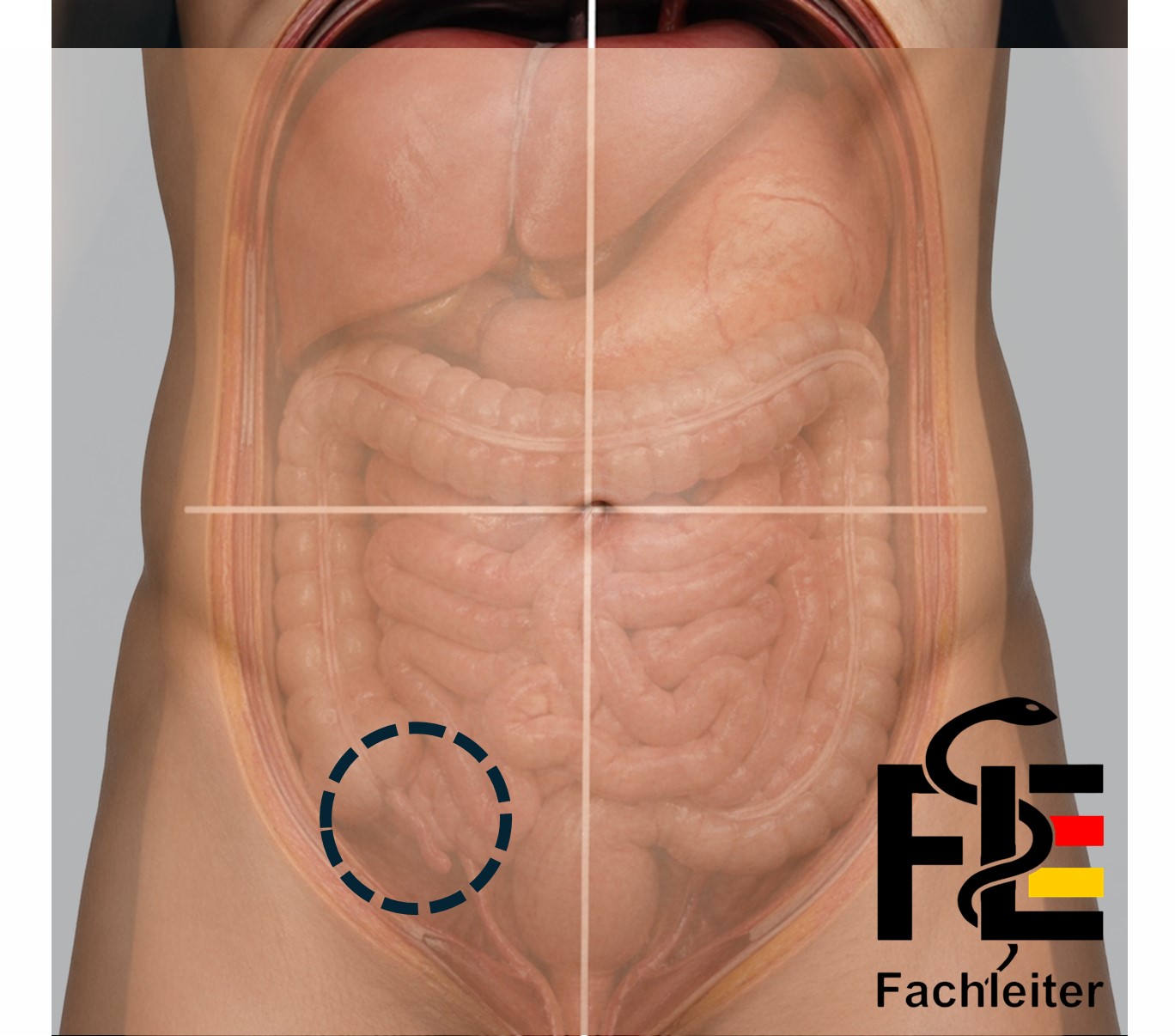
The Lanz point lies on the line connecting both anterior superior iliac spines in the right third; elicited tenderness there suggests appendicitis and represents an alternative appendix location.
There are several clinical signs that can give clues to the appendix location:
• Rovsing sign: pain in the right lower abdomen after pressure on the left lower abdomen (normal position).
• Dunphy sign: pain with coughing (retrocecal position).
• Obturator sign: pain with internal rotation of the hip (pelvic appendix).
• Iliopsoas sign: pain with lifting/flexion of the hip (retrocecal position).
The digital rectal examination can be performed when appendicitis is suspected!, especially with unclear symptoms or suspicion of a pelvic appendix location, but it is not obligatory.
The Blumberg sign is tested by the examiner slowly applying pressure to the abdominal wall and then suddenly releasing it; pain on release – even contralaterally – indicates peritonitis.
The Douglas pain is assessed during the rectal examination by palpation of the Douglas pouch; elicited pain indicates a deep or pelvic irritation as can occur with appendicitis.
The Sherrentriangle describes an imaginary triangle between the right anterior superior iliac spine, the umbilicus and the symphysis; tenderness in this area points to several typical appendicitis pressure points.
Anatomical diagnosis
Laboratory tests
We would order the following laboratory tests: small blood count, renal function parameters, liver enzymes (ALT, AST, GGT, ALP, bilirubin), C-reactive protein , β-hCG, TSH and free T4, a urinalysis, electrolytes, coagulation (INR, PTT), blood group and crossmatch.
electrocardiogram
An electrocardiogram is generally performed preoperatively for cardiac assessment or clearance for surgery.
Imaging procedures
Abdominal ultrasound (first choice)
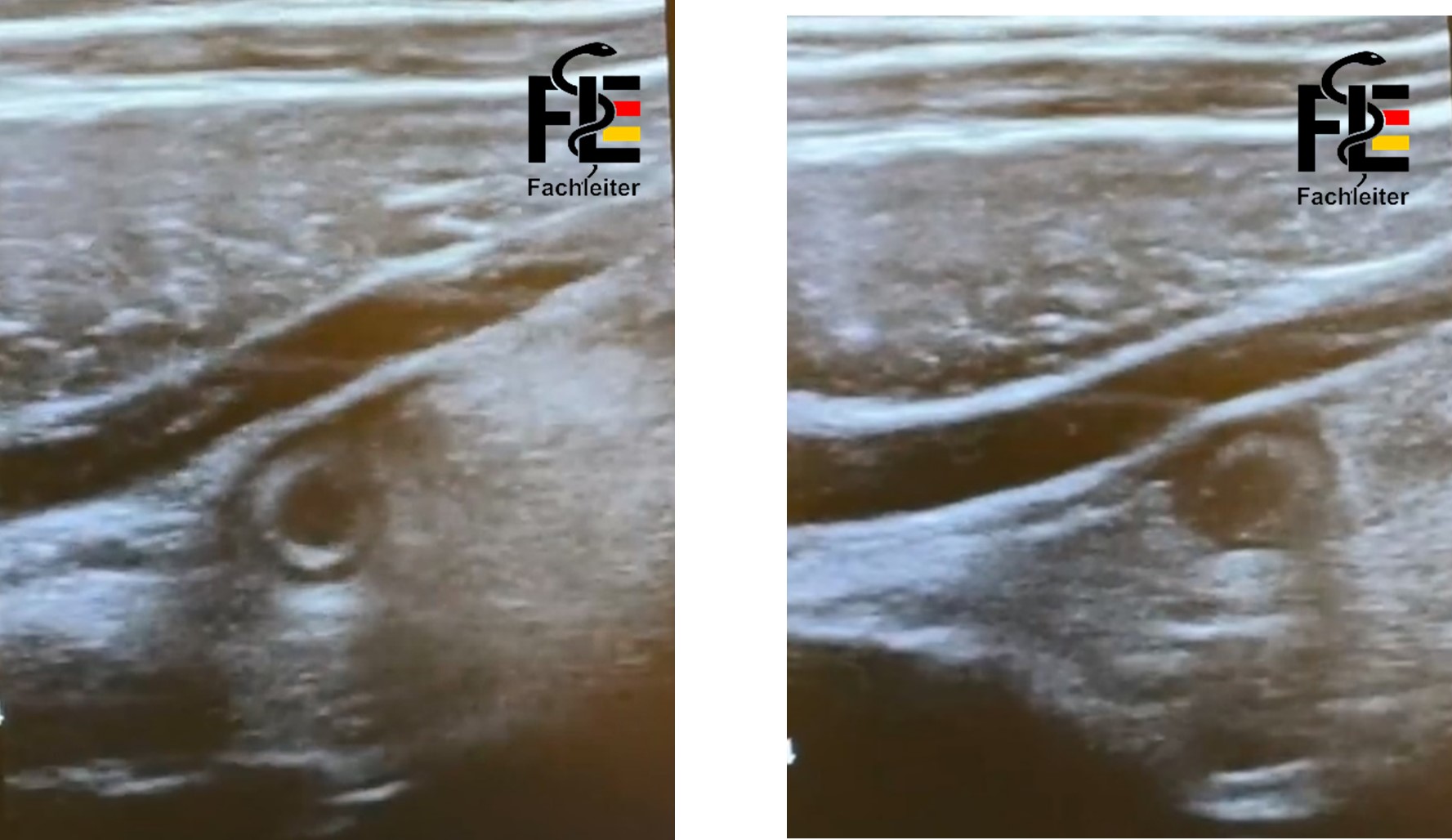
Ultrasound is an imaging method that uses high-frequency sound waves to depict internal structures. It is performed without radiation exposure, usually requires no special preparation and takes only a few minutes. The patient lies on the examination couch, gel is applied, and the probe is moved over the skin. In suspected appendicitis typical findings can be obtained, including a thickened, non-compressible appendix with a diameter > 6 mm, wall thickening, a target/cockade appearance in cross-section, absent peristalsis and increased echogenicity of the surrounding fat. Additionally, free fluid or an appendicolith may be detectable.
Ultrasound has a sensitivity of 85% and a specificity of 90%. It is less expensive and more readily available than CT and does not involve radiation. However, it is operator-dependent and of limited diagnostic value in obese patients or with atypical appendix location.
Computed tomography (CT)
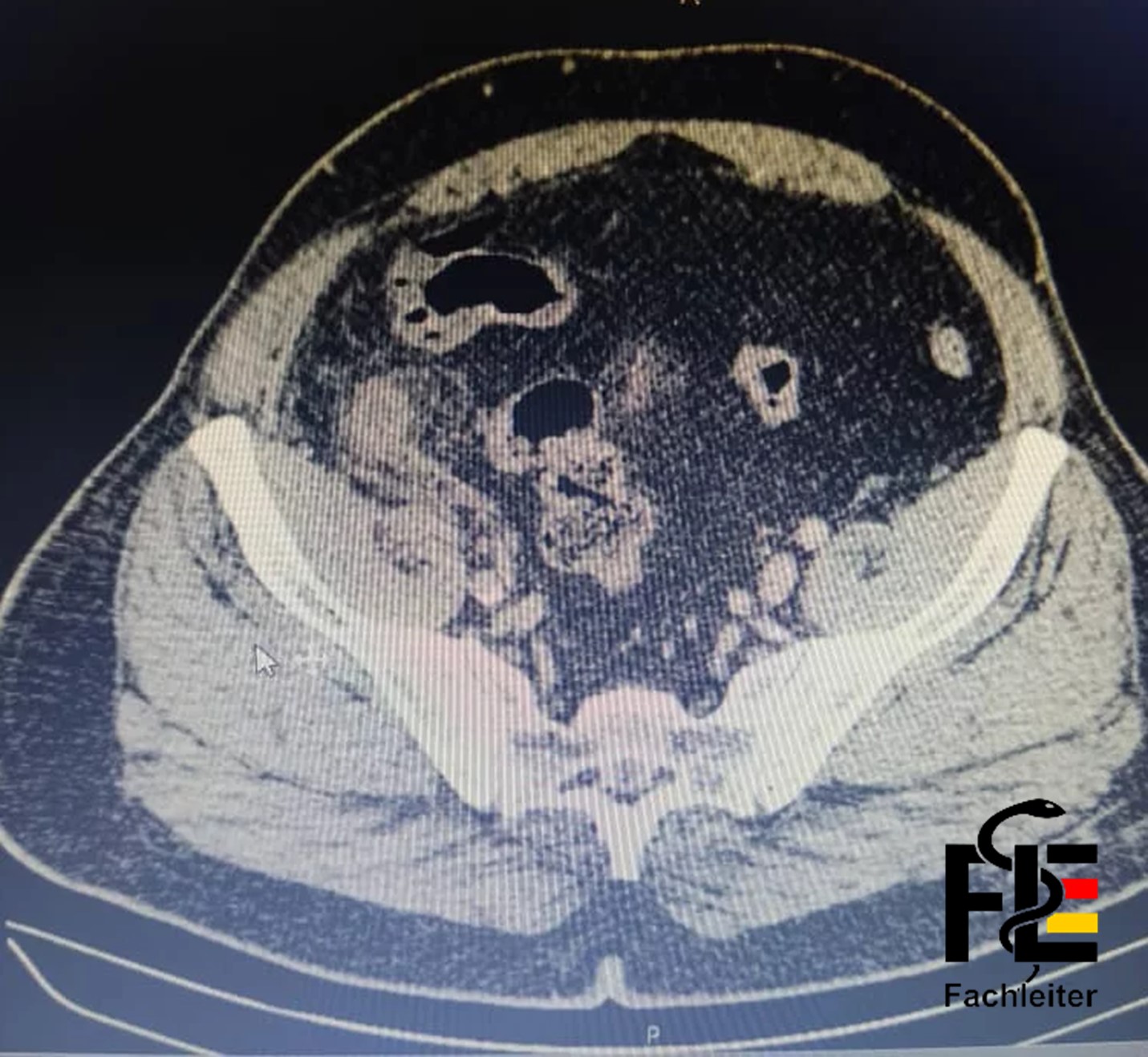
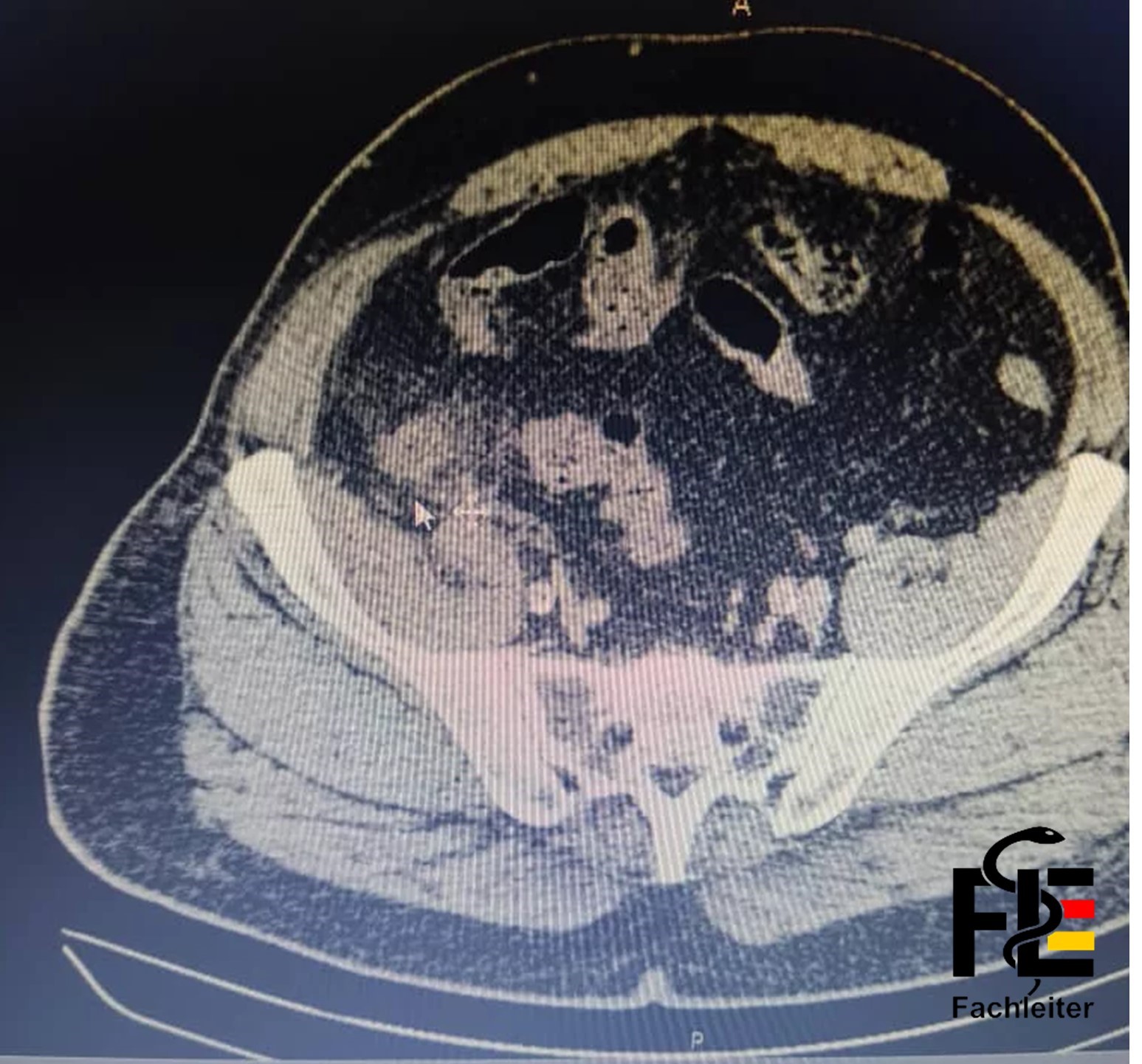
Contrast-enhanced CT has a sensitivity and specificity of over 95% for acute appendicitis.
Computed tomography (CT) is an imaging technique that uses X-rays to create detailed cross-sectional images of internal organs. The patient is moved into a tubular scanner and must lie still during the examination. Sometimes contrast medium is administered to allow a more accurate depiction. The exam is painless and takes only a few minutes. Before contrast-enhanced imaging it is important that you drink sufficient fluids. Certain medications such as metformin should be paused beforehand. In rare cases an allergic reaction to the contrast medium can occur (but don’t worry: we are prepared and have all necessary medications and measures on site).
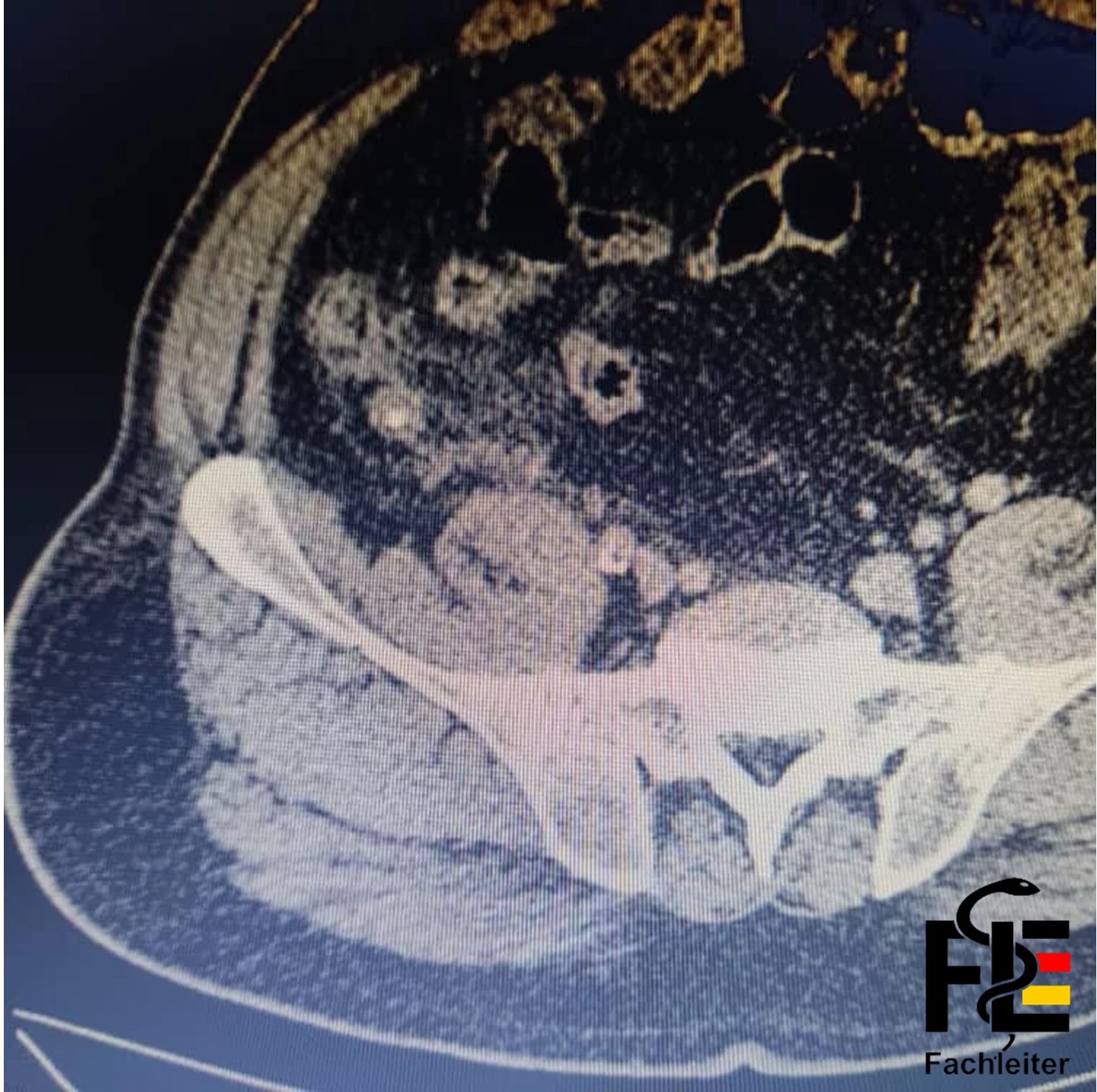
CT features suggestive of appendicitis include an enlarged lumen with double wall layering (> 6 mm), wall thickening (> 2 mm), periappendiceal fat stranding, thickening of the appendiceal wall and presence of an appendicolith.
Consultations
Surgery
Treatment:
The preferred approach for treating patients with uncomplicated appendicitis is appendectomy.
This is often performed as an emergency procedure.
Laparoscopic appendectomy results in a shorter hospital stay, faster return to daily activities and lower rates of superficial wound infections, particularly in obese patients.
Placement of a transurethral catheter (Foley catheter) is optional but not mandatory for appendectomy.
Preoperatively, antibiotics must be given at least 30 to 60 minutes before skin incision. For uncomplicated appendicitis, cefoxitin or cefazolin in combination with metronidazole are available. In β-lactam allergy, clindamycin in combination with a fluoroquinolone can be given.
Patients undergoing laparoscopic appendectomy are positioned supine, with the left arm secured at the body for better accessibility.
Laparotomy is generally performed only in complicated courses such as diffuse peritonitis, perforated appendicitis with extensive intraabdominal contamination or large abscesses or marked phlegmon, as well as for intraoperative conversion due to inadequate visualization or technical difficulties.
Complications:
A perforated or gangrenous appendicitis as well as an appendicitis with abscess or phlegmon formation are considered complicated courses. These typically present with high fever, markedly elevated inflammatory markers, guarding, a palpable resistance on abdominal examination, and signs of sepsis. Postoperatively, wound infections and intra-abdominal abscesses in particular can occur as complications.
|
Additional knowledge |
|
• The appendix is a true diverticulum of the cecum, as it contains all histological layers of the colon. The average length is 6–9 cm. It is usually intraperitoneal and retrocecal, but can also be pelvic (about one third of cases) or retroperitoneal (almost 10%) in location. • Appendicitis occurs in about 10% of the population, most commonly between ages 10 and 30. The mean age at onset is 22 years. The male-to-female ratio is about 3:2 until the mid-20s and equalizes after the age of 30. • It is important to take a thorough history from the patient and – in the case of pediatric patients – from the caregivers. • A regional inflammation can also present with ileus, diarrhea, small bowel obstruction and hematuria. In addition, a targeted inquiry about negative history items (including menstrual history) is required to exclude other causes of abdominal pain. |
Pathophysiology
Appendicitis usually arises from luminal narrowing or obstruction of the appendix, for example due to a fecalith, lymphoid hyperplasia, or less commonly due to foreign bodies or tumors.
As a result of the obstruction, there is accumulation of secretions and increased pressure in the lumen of the appendix. This leads to reduced perfusion of the wall, which damages the mucosa.
Subsequently, bacterial overgrowth occurs, which triggers an inflammatory response. In the further course, the inflammation can affect the entire wall, leading to ischemia, necrosis and ultimately perforation.
Appendiceal carcinoma
Appendiceal carcinoma is a rare malignancy of the vermiform appendix. In many cases it is an incidental postoperative finding after an appendectomy, as the disease is often asymptomatic or only diagnosed after several medical evaluations.
The most common histological type is the neuroendocrine tumor, which occurs more in younger patients. In contrast, appendiceal adenocarcinoma typically affects older patients.
In addition, there are mucinous neoplasms of the appendix, which carry a particular risk for the development of pseudomyxoma peritonei.
Extra
Names:
Ms. Becker, Martina Walser
Professions:
Clerk (commercial employee)
Pre-existing conditions:
Arterial hypertension for 10 years – Enalapril 5 mg
Questions
1. What do I have?
I cannot say that with certainty right now. We need further investigations for that. However, your current complaints are suggestive of a possible appendicitis. Therefore, I strongly recommend inpatient admission.
2. Do I really need surgery?
If the diagnosis is confirmed, we recommend surgery, as appendicitis is very likely. Without the procedure the inflammation could worsen and in the worst case lead to perforation.
3. How is the operation performed?
We usually remove the inflamed appendix minimally invasively, i.e. by laparoscopy. Small incisions are made in the abdominal wall. In rare cases an open operation is necessary.
4. What risks are there?
As with any operation there are risks such as bleeding, infections or injury to adjacent organs. These complications are rare. Overall, appendectomy is a routine procedure.
5. How long will I stay in the hospital?
Usually you remain inpatient for two to five days after the operation, depending on the course. Afterwards you can gradually return to daily life.
6. What examinations will you do now? (Pyelonephritis)
I will palpate your abdomen and specifically examine the renal angles. There may be flank tenderness or percussion pain over the kidney, which is typical for a pyelonephritis. In addition I will measure temperature and check heart and lungs.
7. Could you please explain what is meant by the term “adhesion”?
Adhesions are bands of scar tissue that can form after surgery or inflammation. They bind parts of the body together that normally should not stick together, such as different organs or tissues in the abdomen. These adhesions can cause problems such as pain, limited mobility or even obstructions in organs, for example in the intestines.
8. Name two intraperitoneal and two extraperitoneal organs.
Intraperitoneal: stomach, spleen
Extraperitoneal: kidneys, rectum (lower section)
9. How do gallstones form, what favors their formation and what are they made of?
Gallstones form due to an imbalance in the composition of bile, e.g. from oversaturation with cholesterol or bilirubin and from disturbances of gallbladder emptying. Risk factors include a high-fat diet, overweight, female sex, older age and certain underlying diseases. Gallstones are usually made of cholesterol, bilirubin (pigment stones) or a mixture of both components.
10. How many quadrants are there and how is the abdomen divided?
The abdomen can be divided into four quadrants:
• Right upper quadrant (RUQ)
• Left upper quadrant (LUQ)
• Right lower quadrant (RLQ)
• Left lower quadrant (LLQ)
11. How do you classify appendicitis?
Appendicitis can basically be divided into uncomplicated and complicated courses.
Uncomplicated forms include catarrhal and seropurulent appendicitis.
Complicated forms include ulcerophlegmonous, gangrenous and perforated appendicitis.
12. What is meant by catarrhal and seropurulent appendicitis?
Catarrhal appendicitis describes an early stage of inflammation in which mainly the mucosa is affected and there is a mild inflammatory reaction.
Seropurulent appendicitis represents a more advanced stage in which the inflammation has already involved the entire wall of the appendix and there is purulent exudation.
Medical order – Suspected acute appendicitis
Patient: Monika Zenker, 35 years
Date/Time: immediately on admission
General measures
• Inpatient admission to the surgical ward
• Nil by mouth (NPO)
• Bed rest recommended
Monitoring
• Vital signs (BP, pulse, temp., SpO₂) every 6 hours
• Document pain scale (NRS)
• Monitor abdominal course (distension, guarding, peritonism)
Venous access / fluids
• IV access (peripheral, large-bore, e.g. 16–18G, preferably at the basilic vein on the forearm)
• Ringer’s solution 500–1000 ml IV initially, then as needed
Laboratory
• Blood count (incl. leukocytes, hemoglobin, platelets)
• CRP
• β-hCG
• Sodium, potassium, chloride
• Creatinine, urea
• Glucose
• AST, ALT, γ-GT, ALP, bilirubin
• Lipase
• INR, aPTT
• Blood type (AB0, rhesus)
• Antibody screening test (indirect Coombs)
• Lactate (in complicated course / suspected sepsis)
Urine
Urinalysis
Imaging
Abdominal and pelvic ultrasound
Medication
Metamizole 1 g IV as needed (or …, according to hospital standard)
Ondansetron 4 mg IV slowly as needed (nausea)
Consultation
Surgical consult: timely! → assess indication for surgery
Further
• Prepare informed consent (appendectomy possible)
• Inform physician immediately if deterioration occurs
Notes
Body Mass Index
Body Mass Index (BMI)
Definition: The body mass index is a simple measure used to assess body weight in relation to height. It is calculated by dividing weight in kilograms by the square of height in meters.
periumbilical
Periumbilical
Meaning: Periumbilical refers to the region immediately around the navel.
Nausea
Nausea
Definition: Nausea is the subjective sensation of discomfort with the urge to vomit.
Defecation
Defecation
Definition: Defecation denotes the process of expelling stool from the bowel through the anus.
axillary
Axillary
Meaning: Axillary refers to the armpit region (underside of the shoulder joint area) and is often used as a site for measuring body temperature.
°C
Degrees Celsius (°C)
Definition: °C is the unit for measuring temperatures on the Celsius scale and is used in medical reports to indicate body or ambient temperature.
Hypovolemia
Hypovolemia
Definition and causes: A reduction in circulating blood or plasma volume, for example due to acute blood loss, marked fluid losses (vomiting, diarrhea) or insufficient intake.
Clinical significance: Volume depletion leads to compensatory reactions of the cardiovascular system; a rapid heart rate (tachycardia) can appear as an early sign. In more severe cases, hypoperfusion and circulatory collapse may occur.
Hematemesis
Hematemesis
Term explanation: Hematemesis refers to the vomiting of blood or blood-stained material.
Significance of the blood appearance: “Coffee-ground vomitus” describes dark brown, clotted or partially degraded blood and typically suggests a bleeding source in the upper gastrointestinal tract, but is not absolutely specific for the exact location.
Melena
Melena
Term explanation: Melena is the passage of black, tarry stools due to the breakdown of blood components in the bowel.
Clinical classification: Black, shiny stool generally indicates a bleeding source in the upper gastrointestinal tract or proximal small intestine, but in exceptional cases can also result from slow transit of blood from more distal bleeding sources.
Hematochezia
Hematochezia
Term explanation: Hematochezia is the passage of bright fresh blood with the stool.
Clinical classification: Bright blood admixture usually indicates a bleeding source in the lower gastrointestinal tract (colon, rectum), although with very heavy bleeding an upper GI source can also lead to red blood in the stool.
Tenesmus
Tenesmus
Term explanation: Tenesmus are distressing, often painful and urgent desires to defecate, frequently accompanied by the sensation of incomplete emptying.
Clinical context: Tenesmus typically occurs with rectal or colorectal diseases, such as inflammatory processes or space-occupying lesions, and expresses localized irritation in the distal bowel area.
Consumption of potentially contaminated
The consumption of potentially contaminated food or beverages can lead to enterocolitis.
Similar complaints
Similar gastrointestinal complaints in people in the vicinity can indicate a common food poisoning.
gynecological
Gynecological complaints
Refers to symptoms of the female genital tract. Typical examples are intermenstrual bleeding (metrorrhagia) and abnormal vaginal discharge (vaginal discharge). Metrorrhagia means bleeding outside the normal menstruation; discharge refers to altered vaginal secretions in amount, consistency, color or odor. Such signs can indicate infections, hormonal disorders or other gynecological diseases and require targeted evaluation.
urological
Urological complaints
Refers to symptoms of the urinary tract. Dysuria describes pain or burning when urinating. Hematuria denotes the presence of blood in the urine, visible or only detectable in the laboratory. These symptoms can indicate infections, stones, tumors or other urological diseases and justify further diagnostic steps.
Reflux
Reflux
Refers to the backflow of gastric contents into the esophagus, usually due to dysfunction of the lower esophageal sphincter. Typical complaints are acid regurgitation and sometimes heartburn. Repeated or persistent reflux can lead to mucosal damage of the esophagus and may require further diagnostic evaluation.
Pyrosis
Pyrosis
Refers to the subjective sensation of heartburn, typically perceived as a burning feeling behind the breastbone. Pyrosis is often triggered by acid reflux and is a typical symptom of gastroesophageal reflux disease but can also have other causes.
Stress urinary incontinence
Stress urinary incontinence
Definition: Involuntary loss of urine that occurs with increased abdominal pressure, such as when coughing, sneezing, laughing or during physical exertion. A characteristic is the absence of a preceding intense urge to urinate.
Causes: Common triggers are weakness of the pelvic floor or insufficiency of the urethral closure mechanism, for example after childbirth, gynecological interventions or due to age- and hormone-related tissue laxity.
Therapy: Initially conservative measures such as targeted pelvic floor training and physiotherapy; aids or behavioral changes can be useful as supplements. In selected cases pharmacological therapies are possible. For persistent or severe complaints surgical procedures such as suburethral slings (e.g., TVT) may be considered.
Tonsillectomy
Tonsillectomy
Definition: Surgical removal of the palatine tonsils.
Indications: Primarily recurrent tonsillitis, abscess formation in the peritonsillar space, pronounced tonsillar enlargement with obstructive sleep apnea, or justified suspicion of malignant change.
Complications: The main risks include postoperative bleeding, pain and wound healing disorders; less commonly infections or injury to adjacent structures may occur.
Hashimoto-
Hashimoto’s
Hashimoto’s thyroiditis is a chronic autoimmune disease of the thyroid in which the immune system attacks thyroid tissue. This often leads to hypothyroidism. Typical symptoms of hypothyroidism are fatigue, weight gain, cold intolerance, hair loss, depressive mood and constipation. Diagnosis is made by blood tests, especially TSH, fT4 and TPO antibodies, and, if necessary, an ultrasound examination. In manifest hypothyroidism the hormone deficiency is compensated by taking levothyroxine; treatment is usually lifelong.
Cholecystectomy
Cholecystectomy
Definition: Surgical removal of the gallbladder, frequently performed minimally invasively (laparoscopically).
Indications: Indicated for symptomatic gallstone disease, acute or chronic inflammation of the gallbladder, as well as for larger gallbladder polyps or justified suspicion of malignancy.
Complications: Possible adverse events include postoperative bleeding, leakage of bile, injury to the bile ducts or adjacent organs, and postoperative infections.
Ectopic pregnancy
Ectopic pregnancy (tubal pregnancy)
Definition: A pregnancy located outside the uterine cavity; implantation is most commonly found in a segment of the fallopian tube.
Location and frequency: The vast majority of these pregnancies are tubal; ovarian, abdominal, or cervical locations are less common.
Therapeutic approaches: Depending on the clinical findings, conservative medical treatment or surgical interventions may be considered, such as organ-preserving (salpingotomy) or removal (salpingectomy) procedures.
Complications: Important dangers include rupture of the fallopian tube with internal bleeding, resulting hemorrhagic shock, and possible impairment of future fertility.
Fallopian tube
Fallopian tube
The fallopian tube, commonly called the oviduct, connects the ovary to the uterine cavity. It serves to transport the ovum and is the usual site of fertilization. Clinically, the tubes are significant in infections, adhesions, and as a frequent site of ectopic pregnancy.
Salpingectomy
Salpingectomy
Salpingectomy refers to the surgical removal of one or both fallopian tubes. The operation is performed, for example, in complicated ectopic pregnancy, severe infections, or for prophylactic indications. Removal affects fertility depending on whether one or both tubes are involved.
Mammography
Mammography
Mammography is an X-ray imaging method of the breast for detecting masses, calcifications, and other structural changes. It is used both for screening and for evaluation of suspicious findings. The examination uses low doses of radiation but does not always produce definitive results; additional imaging techniques may be required, especially in very dense breast tissue.
Euthyrox
Euthyrox
Euthyrox is a preparation containing the active ingredient levothyroxine, a synthetic thyroid hormone (T4). It is used for substitution in hypothyroidism and as supplementation after thyroidectomy or to treat certain forms of goiter. Important aspects include the need for laboratory monitoring (e.g., TSH), possible cardiac side effects with overdose, and interactions with other drugs that can affect absorption or effect.
Valerian
Valerian
Valerian is a medicinal plant whose extracts are traditionally used for short-term relief of mild sleep disturbances and for calming nervous restlessness. The scientific evidence shows mixed effects; preparations are available in various dosage forms. Caution is advised when taken with other central nervous system depressants or alcohol; side effects can include gastrointestinal complaints or headaches.
Jaz®
Jaz®
Jaz® is a combined oral contraceptive containing an estrogen and a progestin. Prevention of ovulation, alteration of cervical mucus, and changes to the endometrium contribute to contraception. Possible adverse effects range from mild complaints such as headache or nausea to more serious risks like an increased tendency for thrombosis; contraindications include active thromboembolic disease, certain liver diseases, and known breast cancer. Interactions with enzyme-inducing substances may reduce effectiveness.
Pantoprazole
Pantoprazole — Class and mechanism
Pantoprazole belongs to the proton pump inhibitors (PPIs). It reduces gastric acid secretion by inhibiting acid production of the parietal cells in the stomach.
Indications
It is used for acid-related disorders of the upper gastrointestinal tract, such as gastric ulcers or reflux symptoms.
Important risks and side effects
Possible adverse effects include digestive complaints, headache, and allergic reactions. With long-term use, additional risks may exist that need individual consideration. Recommendations for administration vary; usually dosing is planned in relation to meals, and exact instructions depend on the preparation and medical guidance.
Allergen immunotherapy
Allergen immunotherapy (desensitization)
Term and goal
Desensitization, also called allergen immunotherapy, is a targeted treatment for IgE-mediated allergies. The goal is to modulate the immune response to a specific allergen and thereby permanently reduce allergy symptoms.
Mode of action and course
By repeated administration of the triggering allergen in increasing doses, tolerance development of the immune system is intended. The therapy is generally long-term.
Pack years
Pack years — Definition and calculation
Explanation of term
A pack year is a unit for recording cumulative tobacco exposure.
Formula and example
It is calculated as (number of cigarettes smoked per day ÷ 20) × number of years smoked. With 15 cigarettes per day over 15 years this results in 15/20 × 15 = 11.25 pack years (rounded about 11–12 pack years).
Stroke
Stroke
Term and causes
A stroke is an acute disturbance of cerebral blood flow. Causes are typically occlusion of a cerebral vessel (ischemic stroke) or bleeding into the brain tissue (hemorrhagic stroke).
Clinical significance
A stroke leads to focal neurological deficits such as hemiparesis, speech disturbances, or altered consciousness and requires immediate medical assessment and treatment.
Appendicitis
Appendicitis (inflammation of the vermiform appendix)
Term and brief description
Appendicitis denotes inflammation of the vermiform appendix. Colloquially this condition is often called appendicitis.
Clinical clues
Typically, nonspecific periumbilical pain occurs initially, which may later shift to the right lower abdomen; the disease is often accompanied by symptoms such as nausea or guarding in the right lower abdomen.
Torsion
Torsion
Definition: Torsion refers to the acute twisting of an organ around its attachment including the vascular pedicle, which can lead to circulatory disturbances up to ischemia.
Gynecological relevance: In gynecology this often affects the ovary or an adnexal ovarian tumor, such as a cyst, which increases the risk of pedicle torsion.
Clinical presentation and management: Typical features are sudden onset of severe unilateral lower abdominal pain with nausea or vomiting. Diagnosis is supported by clinical presentation and imaging (e.g., ultrasound with Doppler), where absent Doppler flow can support torsion but does not definitively exclude it. Urgent surgical evaluation is required if torsion is suspected.
Heart rate
Heart rate
Definition: Heart rate indicates the number of heartbeats per minute and is a central vital parameter.
Normal range and significance: In adults, resting heart rate is typically in the range of about 60–100 beats per minute. Deviations can indicate physical exertion, fever, pain, medication effects, or cardiological or systemic diseases.
Blood pressure
Blood pressure
Definition: Blood pressure describes the force with which circulating blood presses against vessel walls. It is represented by two values: systolic (pressure during cardiac ejection) and diastolic (pressure during the relaxation phase).
Measurement and unit: Noninvasive methods such as a cuff with a measuring device (manual or automated) are used; values are given in millimeters of mercury (mmHg).
Clinical relevance: Blood pressure is an important indicator of cardiovascular health; deviations upward or downward can indicate the need for therapy or acute conditions and should be interpreted in the clinical context.
Respiratory rate
Respiratory rate
Definition: Respiratory rate is the number of breaths per minute and is one of the fundamental vital parameters.
Normal range and significance: In adults at rest, the normal respiratory rate is typically between about 12 and 20 breaths per minute. Changes can be early signs of respiratory or metabolic disturbances, pain, fever, or intoxications and should be clinically evaluated.
Oxygen saturation
Oxygen saturation
Definition: Oxygen saturation indicates the percentage of hemoglobin that is loaded with oxygen relative to the total hemoglobin in arterial blood.
Measurement and normal values: Noninvasive measurement is usually performed by pulse oximetry on the finger or earlobe. In healthy adults breathing room air, values are typically in the high range (commonly around 95–100%).
Clinical significance: Decreasing saturation values indicate impaired oxygenation and require further evaluation and, if necessary, therapeutic measures.
digital rectal examination
Digital rectal examination (DRE)
The digital rectal examination is a clinical exam in which a lubricated, gloved finger is inserted into the rectum to assess the position, consistency and tenderness of the distal rectum and adjacent structures. Indications include evaluation of rectal bleeding, palpable findings in the rectal area, or suspicion of prostate disease; it can also be performed as an adjunct in unclear lower abdominal complaints. The exam is brief and may be uncomfortable; findings must always be interpreted in the overall clinical context.
blood count
Leukocytosis (in the blood count)
Leukocytosis denotes an increased number of white blood cells in the blood count. It is a nonspecific indicator of inflammatory or infectious processes, but can also be caused by stress responses, certain medications, or hematologic disorders. The significance of leukocytosis must be assessed together with the differential blood count, other laboratory parameters, and the clinical situation.
renal function parameters
Renal function parameters
Common routine markers of renal function include creatinine and urea. Creatinine is often used to estimate glomerular filtration rate, but its concentration also depends on muscle mass and other factors. Urea reflects, in addition to renal function, protein metabolism and hydration status and can be influenced by diet or catabolism. Both values should be interpreted together and in the overall clinical context.
ALT
ALT (alanine aminotransferase)
ALT is an enzyme found predominantly in liver cells and is released into the blood when hepatocytes are damaged. Elevated ALT values mainly indicate hepatocellular injury and must be interpreted together with history, other liver tests, and imaging findings. ALT is considered a relatively liver-specific marker compared with some other transaminases.
AST
AST (aspartate aminotransferase)
AST is an enzyme found in the liver but also in heart muscle, skeletal muscle, and other tissues. Elevated AST levels can therefore indicate liver disease, but are less liver-specific than ALT, since muscle injury or myocardial damage can also cause increases. The cause of an AST elevation should be clarified with additional findings.
GGT
GGT (gamma-glutamyl transferase)
GGT is an enzyme present mainly in liver cells and in the epithelial cells of the bile ducts. Elevated serum levels indicate damage or impairment of the hepatobiliary system, for example in cholestatic processes or biliary outflow obstruction. GGT is less organ-specific than some transaminases, can also be increased by alcohol or medication effects, and is therefore used in the laboratory profile to evaluate liver and biliary diseases.
C-reactive protein
C-reactive protein (CRP)
CRP is an acute-phase protein produced mainly in the liver. Serum concentration rises in systemic inflammatory reactions, infections, and tissue damage and can therefore be used as a nonspecific laboratory parameter to assess inflammatory activity and monitor course. CRP does not provide a specific etiology but generally indicates the presence and dynamics of an inflammatory response.
coagulation (INR, PTT), blood group and crossmatch
Preoperative coagulation testing and determination of blood group and crossmatch
Coagulation tests (e.g., INR and PTT) provide information about the function of the extrinsic, intrinsic, and common coagulation pathways and are used before elective procedures to detect an increased bleeding risk. Determination of blood group (including rhesus factor) and a crossmatch serve to ensure compatible donor blood and are relevant prior to surgical procedures where a blood transfusion is likely or possible.
PatientSalutation: Mr./Ms. Senior physician ……….., I would like to present the patient Monika Zenker to you. |
Date24/08/2025 |
| Age25 years | Weight64 kg | Height169 cm |
Allergies (keywords)
House dust allergy (improved after hyposensitization, currently only mild sneezing)
Substance use / drugs (keywords)
Non-smoker
Alcohol: rare, occasionally 1 glass of beer at parties
No drugs
Social history (keywords)
Single, lives with partner
Pet: dog
Family history (keywords)
Father: 65 years, healthy
Mother: stroke 1 year ago, right-sided hemiparesis
Medications (keywords)
Euthyrox® 50 µg 1-0-0
Pantoprazole 20 mg 1-0-0
Jaz® 1-0-0
Valerian dragees as needed
History (full sentences)
The patient presents to the emergency department with abdominal pain for approximately 7 hours.
She stated that the pain was initially diffuse and periumbilical and has since migrated to the right lower abdomen.
She describes the pain as stabbing, increasing, with an intensity of 7/10.
Accompanying symptoms include nausea, a single episode of watery defecation, tenderness in the right upper abdomen, and a general feeling of illness since the day before.
Axillary temperature is 37.7 °C.
No signs of hypovolemia, night sweats, emesis, hematemesis, melena, hematochezia, tenesmus, hemorrhoids, anal fissures, jaundice, pruritus, food intoxication, contact infections, recent respiratory infections, gynecological or urological complaints.
No travel abroad.
Autonomic history is unremarkable.
Past medical history
Gastroesophageal reflux (pyrosis)
Hashimoto’s thyroiditis (for ~10 years, on replacement therapy)
Stress urinary incontinence after 2nd delivery (pelvic floor training, currently symptom-free)
Recurrent tonsillitis → tonsillectomy at age 12
Previous surgeries
Right salpingectomy for ectopic pregnancy (7th week of gestation, 3 years ago, open surgery)
Tonsillectomy in childhood
Gynecological history
Oral contraceptive Jaz® for 1 year
Regular cycle, last menstruation about 2.5 weeks ago
Screening mammography 6 months ago, unremarkable
Suspected diagnosis – Differential diagnosis (full sentences)
Most likely this is an acute appendicitis.
Differentially, a mesenteric lymphadenitis is possible.
An ovarian cyst or ovarian torsion is also possible.
An ectopic pregnancy should also be excluded.
Further management – Therapy (full sentences)
Inpatient admission with nil by mouth
Physical examination
Ultrasound of the abdomen and pelvis (exclude gynecological DD, free fluid, appendix visualization)
β-hCG determination
Inflammatory markers (CRP, leukocytes)
Surgical consult to exclude appendicitis
Analgesia as needed
Intravenous fluid substitution if needed
1. Age
2nd main complaint
1. Peak: mostly in teenage and young adult years (approx. 15–25 years)
Children <5 years: rare, but often more severe course
Older >50 years: also less common, but often atypical symptoms → higher perforation rate, or tumor-related lumen obstruction
2. Abdominal pain + nausea/vomiting + elevated temperature
3. Course/character
4. Aggravating factors
5. Accompanying symptoms
3. Initially above the navel or in the mid-abdomen, later in the right lower abdomen
For about 12–24 hours
Moderate
Dull, pulling
4. Coughing, deep inspiration / breathing, change of position
5. Loss of appetite, nausea, watery defecation, general malaise
6. Important negatives
6. Hyperhidrosis, signs of gastrointestinal bleeding, jaundice/ dark urine, pruritus
possible gynecological complaints
Signs of a gastrointestinal viral infection
7. displaced appendix
7. Retrocecal / retroperitoneal appendix: right flank or back
Low pelvic position of the appendix: deep in the lower abdomen
8. Differential diagnosis
fachleiterinfo@gmail.com
instagram.com/fachleiterinfo
Mesenteric lymphadenitis: Onset: upper abdomen or right lower abdomen, course: pain migration to the right, less well localized than in appendicitis
Diverticulitis: Pain in the left lower abdomen, often improvement after defecation, fever
Ectopic pregnancy (EUG): β-hCG measurement mandatory, contraceptives? / Ovarian cyst torsion
Urinary tract infection / nephrolithiasis: currently no indications
9. Physical
Examination
9. Vital signs, fever?
Guarding: perforation → peritonitis (rebound tenderness)
Tenderness at McBurney’s point
Auscultation: tachycardia, normoactive bowel sounds
10. McBurney’s point
11. Rovsing’s sign
12. Dunphy’s sign
10. Localization:
1/3 of the distance between
Spina iliaca anterior superior ↔ Umbilicus
maximal tenderness on pressure
typical for normally positioned appendix
11. Pressure: left lower abdomen
Pain: right lower abdomen
Note: normal appendix position
12. Pain when coughing
Note: retrocecal position
13. Obturator sign
14. Iliopsoas sign
15. Laboratory tests
13. Pain on internal rotation of the hip
Note: pelvic position of the appendix
14. Pain on hip flexion / lifting the leg
Note: retrocecal position
15. Complete blood count, renal function parameters, liver values (ALT, AST, GGT, AP, bilirubin), C-reactive protein, β-hCG, a urinalysis, electrolytes, coagulation (INR, PTT), blood group and crossmatch
16. Abdominal ultrasound
16. Thickened, non-compressible appendix with a diameter > 6 mm, wall thickening, a target (bull’s-eye) appearance in cross-section, absent peristalsis and increased echogenicity of the surrounding fatty tissue ± free fluid
Informed consent?
17. Computed tomography (CT)
17. Dilated lumen with double-layered wall (> 6 mm), wall thickening (> 2 mm), periappendiceal fat stranding, thickening of the appendiceal wall and the presence of an appendicolith
Informed consent?
18. Treatment
fachleiterinfo@gmail.com
instagram.com/fachleiterinfo
18. Appendectomy, preferred approach for uncomplicated appendicitis, often an emergency procedure
Antibiotic prophylaxis: Administration: 30–60 minutes before skin incision, cefoxitin/cefazolin + metronidazole
19. Complications
19. perforated appendicitis
gangrenous appendicitis
appendicitis with abscess formation
appendicitis with phlegmon
high fever, markedly elevated inflammatory markers, guarding, palpable resistance in the abdomen, signs of sepsis
20. Anatomy
20.
true diverticulum of the cecum
contains all histological wall layers
Length: approx. 6–9 cm
Location:
mostly intraperitoneal, retrocecal
pelvic (~1/3 of cases)
retroperitoneal (~10%)
21. Appendiceal carcinoma
rare malignancy of the appendix
often an (postoperative) incidental finding after appendectomy, frequently asymptomatic
neuroendocrine tumor (NET): most common type, rather younger patients
Adenocarcinoma: rather older patients
mucinous neoplasms, risk: pseudomyxoma peritonei
22. Now imagine: How would you typically report an appendicitis?
I
The patient presents to the emergency department with abdominal pain of about 7 hours’ duration.
She stated that the pain was initially diffuse and periumbilical and has since migrated to the right lower abdomen.
She describes the pain as stabbing, increasing, with an intensity of 7/10.
23. Now imagine: How would you typically report an appendicitis?
II
Associated symptoms include nausea, a single episode of watery stool, tenderness on pressure in the right upper abdomen and, since the previous day, a general feeling of illness.
Axillary body temperature is 37.7 °C.
To run an AI simulation, download the PDF with the prompt, then upload it to an AI application such as ChatGPT.
Page 1 · 1–20 / 64
DOCTOR: Hello,
my name is Dr. Becker.
I am working today as a junior doctor on the ward.
I would like to take a medical history with you.
If you do not understand something or have questions, please let me know.
First I need some personal information, then we can continue.
What is your name?
PATIENT: My name is Monika Zenker.
DOCTOR: Could you please spell your first and last name slowly?
PATIENT: Of course,
my first name: M, O, N, I, K, A
And my last name: Z, E, N, K, E, R
DOCTOR: First of all, I would like to find out whether you perceive the pain or complaints as tolerable.
PATIENT: It really hurts, it has gotten worse over the past few hours.
DOCTOR: I can see that you are in severe pain.
We will take care of it immediately.
You will receive something to relieve it in a few minutes.
But first I have to ask you a few short questions and then we can continue calmly.
How old are you, Ms. Zenker?
PATIENT: I am 25 years old.
DOCTOR: When exactly were you born?
PATIENT: I was born on July ninth, 2001.
DOCTOR: How tall are you?
PATIENT: I am one meter sixty-nine.
DOCTOR: How much do you weigh?
PATIENT: I weigh about sixty-four kilograms.
DOCTOR: What is the name of your general practitioner?
PATIENT: My GP is Dr. Karla Scholz.
DOCTOR: What brings you to us today?
PATIENT: Well, the abdominal pain started suddenly about seven hours ago.
At first it was around the navel, but gradually it moved to the right lower abdomen.
DOCTOR: Could it be that you are pregnant?
PATIENT: No, I don’t think so.
I’ve been taking the birth control pill called Jaz regularly for about half a year.
My last period was about two and a half weeks ago.
Since I started taking the pill, the bleeding has become shorter and lighter.
DOCTOR: Have you noticed any guarding, meaning the abdomen becoming really hard when touched?
PATIENT: No, I haven’t noticed that.
DOCTOR: Have you noticed any bleeding?
For example blood in vomit, in the urine, in the stool, or unusual genital bleeding?
PATIENT: No, not that.
DOCTOR: Have you had any abdominal injury?
PATIENT: No, none.
DOCTOR: Have you had excessive thirst, palpitations, a racing heart, or dizziness?
PATIENT: Since last night I’ve been feeling generally unwell and have had no appetite.
That’s why I didn’t have breakfast today.
I’ve felt nauseous since this morning, but I haven’t vomited so far.
DOCTOR: How would you describe the pain?
Is it more dull, pulling, burning, or cramp-like?
PATIENT: At first the pain was more dull and hard to localize.
Over time it has become stronger.
Now it feels stabbing, almost like a knife, and it gets worse with movement, coughing, or when pressure is applied to the abdomen.
DOCTOR: Does the pain radiate anywhere?
PATIENT: No, the pain does not radiate.
It stays in the right lower abdomen.
DOCTOR: Is there anything that improves or worsens the pain – for example bowel movements or a certain body position?
PATIENT: Today I had one episode of watery stool, but it was only a small amount.
I didn’t notice any improvement in the pain from that.
Also, body position doesn’t really help – whether I sit, lie down, or move, the pain remains and tends to get worse.
DOCTOR: How would you rate the intensity of your pain on a scale from 1 to 10, where 1 is very mild and 10 is unbearable pain?
PATIENT: Right now I would rate the pain at about 7.
DOCTOR: Have you tried anything against it?
PATIENT: No, I haven’t done anything about it so far.
DOCTOR: Have you ever had such pain before?
Was it perhaps related to eating?
PATIENT: No, this pain is completely new.
But I have had heartburn for a long time.
Especially after eating, when I lie down, it gets worse.
Then I feel a burning behind the breastbone and sometimes I have a sour taste in my mouth.
My GP prescribed pantoprazole for that – and it helps me very well.
DOCTOR: Do you have marked tenderness in the right lower abdomen?
PATIENT: Yes, out of curiosity I pressed on it myself – and it hurt a lot.
Page 2 · 21–40 / 64
DOCTOR: Do you feel an urgent need to defecate while cramp-like pain occurs in the rectum?
PATIENT: No, I don’t need to go to the toilet urgently.
DOCTOR: Have you noticed any recent change in your stool or bowel habits?
PATIENT: No, I haven’t noticed any changes.
DOCTOR: Do you have pain or itching in the anal area?
PATIENT: No, I have neither pain nor itching there.
DOCTOR: Have you noticed a yellowing of the skin or the whites of the eyes, or is your urine darker than usual?
PATIENT: No, I haven’t noticed anything.
DOCTOR: Do you have itching or a rash all over your body?
PATIENT: No, I have neither itching nor a rash.
DOCTOR: Has your abdominal girth increased recently?
PATIENT: No
DOCTOR: Have you noticed any swelling anywhere on the abdomen or in the groin?
PATIENT: No, I haven’t noticed anything like that.
DOCTOR: Have you ever had abdominal surgery?
PATIENT: Yes, I have been pregnant once. It was an ectopic pregnancy that required surgery. I have no children.
DOCTOR: Have you ever had similar pains in connection with your period?
PATIENT: My menstrual cramps are not unusual, rather normal.
DOCTOR: Do you know the so-called mittelschmerz?
That is pain roughly in the middle of the cycle when ovulation occurs – have you ever had that?
PATIENT: No, I’ve never noticed something like that before.
DOCTOR: Have you had a recent pelvic infection or noticed any vaginal discharge?
PATIENT: No, I haven’t had anything like that.
DOCTOR: Have you had problems with urination, such as burning?
PATIENT: No, urination was normal.
DOCTOR: Have you had a cold or the flu recently?
PATIENT: No, I haven’t had a cold recently and I haven’t had the flu either.
DOCTOR: Have you traveled recently?
PATIENT: No, I haven’t traveled recently.
DOCTOR: Did other people who ate the same thing have similar symptoms?
PATIENT: No, the others who ate the same thing had nothing like that.
DOCTOR: Have you recently eaten at restaurants or food stands where the hygiene might not have been entirely satisfactory?
PATIENT: No, I didn’t notice anything unusual there.
DOCTOR: How did you get to the hospital?
PATIENT: My boyfriend drove me here by car.
DOCTOR: Do you have fever, night sweats, chills or sudden sweating?
PATIENT: I feel warmer than usual, but I didn’t have a real fever. At home I measured once under the armpit, it was 37.7 degrees.
DOCTOR: How is your appetite normally?
PATIENT: Usually I have a good appetite. I generally like almost everything and have no problems eating.
DOCTOR: Do you have trouble falling asleep or staying asleep?
PATIENT: No, not at all — I sleep like a baby.
Page 3 · 41–60 / 64
DOCTOR: How do you cope with stress?
PATIENT: I sometimes take valerian tablets — that helps somewhat, it calms me a bit.
DOCTOR: Do you have difficulty urinating or having bowel movements?
PATIENT: Nothing special.
DOCTOR: Do you have any relevant pre-existing conditions that I should know about?
PATIENT: Yes, when I was 12 my tonsils were removed. I used to have constant sore throats and tonsillitis, so the surgery was done. I haven’t had any problems with that since then.
DOCTOR: Do you remember how long you stayed in the hospital after the tonsil surgery?
PATIENT: About two to three days.
DOCTOR: Is there anything else important in your medical history?
PATIENT: Yes. At about ten years old I suddenly had itchy rashes all over my body and a fever. The doctor said at the time it was chickenpox. Other classmates were also affected. The illness was uncomplicated and then everything was fine again.
DOCTOR: Have you ever had an accident?
PATIENT: About three years ago I once caught my finger in a door.
DOCTOR: Which hand and which finger were affected?
PATIENT: The right hand, the index finger.
DOCTOR: How was that treated at the time?
PATIENT: It was treated conservatively; I had a splint and was given painkillers. Surgery was not necessary.
DOCTOR: Have you had pregnancies before?
PATIENT: No, not so far.
DOCTOR: Do you take any other medications regularly or as needed — either chemical or herbal?
PATIENT: No, no other medications. Sometimes I drink an herbal tea, for example borage tea.
DOCTOR: Do you have a prescription for your medications?
PATIENT: Yes, I do.
DOCTOR: Are you fully vaccinated, meaning have you received all vaccinations since your childhood?
PATIENT: During the Corona period I received three vaccinations. To be honest, I can’t remember the other vaccinations exactly — that was a long time ago and I was still a child then.
DOCTOR: You’re right, it’s best if we ask your general practitioner about that. Do you have known allergies and intolerances, for example to foods, medications, animals or other substances?
PATIENT: Yes, I have a house dust allergy. Back then I had to sneeze a lot and had itchy rashes, especially when I went to bed. I received a treatment in which my body was slowly accustomed to it. Now I only have light sneezing occasionally. And when I eat legumes like beans, I get bloating.
DOCTOR: Do you smoke? How many cigarettes do you smoke daily and since when?
PATIENT: No, I don’t smoke regularly. Occasionally maybe a cigarette.
DOCTOR: What about alcohol?
PATIENT: Only occasionally, for example a glass of beer at parties.
DOCTOR: Have you ever experienced symptoms of poisoning from excessive alcohol consumption?
PATIENT: No, that has never happened so far.
DOCTOR: May I ask whether you have ever used drugs before?
PATIENT: I have smoked cannabis a few times.
DOCTOR: What do you do for a living?
PATIENT: I recently completed my Abitur.
To be honest, that was a very stressful time.
At the moment I’ve taken a short break to recover.
After that I probably want to start university,
but I’m still deciding which direction to take.
DOCTOR: What is your marital status?
PATIENT: I have a boyfriend.
DOCTOR: Who do you live with?
PATIENT: With my family.
Page 4 · 61–64 / 64
DOCTOR: Do you exercise regularly?
What kind and how often?
PATIENT: Yes, regularly. I go to the gym two to three times a week.
DOCTOR: Are there significant illnesses in your family, for example in your parents, siblings or other close relatives?
PATIENT: My father is 61 and healthy for his age.
My mother is 57 and had a stroke a year ago.
Since then my father has been taking care of her because she is paralyzed on the right side of her body.
My 25-year-old sister suffers from migraines.
DOCTOR: Do you have pets?
PATIENT: I have a dog.
DOCTOR: We’re finished with the medical history.
Do you have any more questions?
PATIENT: Can you tell me exactly what I have?
Do I need surgery?
DOCTOR: At the moment I can’t tell you exactly what you have.
To make a definitive diagnosis we should admit you as an inpatient and perform further investigations.
Depending on the results we will then decide on the treatment – this can be either medical or, if necessary, surgical.
We will of course inform you about that in good time.
PATIENT: All right, I have another question: What should I do if I forget to take a pill?
DOCTOR: If you forget only one pill, take it immediately as soon as you notice – even if that means taking two pills on that day.
After that continue as normal.
PATIENT: And what if I forget two pills in a row?
DOCTOR: That depends on which tablet and on which day of the cycle you missed it. For Yaz there are different recommendations depending on the day of intake. Please check the package leaflet or contact your gynecologist’s practice or a pharmacy promptly. If you have missed several active tablets or had unprotected intercourse, you should seek immediate advice.
PATIENT: Thank you very much, Doctor.