
Premature atrial contractions (PAC) – Simply explained: definition, ECG features and clinical significance
What are premature atrial contractions?
Premature atrial contractions (Premature Atrial Contractions, PAC) are early heartbeats that originate not from the sinus node but from an ectopic focus in the atrium. This produces a heartbeat earlier than expected, usually followed by a non-completely compensatory pause.
PACs are among the most common supraventricular arrhythmias and can occur in people with structurally normal hearts as well as in patients with structural heart disease.
ECG features
- Premature occurring heartbeat
- Abnormal P wave (shape differs from the sinus P wave)
- P wave usually visible before the QRS complex
- Narrow QRS complex (< 120 ms), unless a bundle branch block is present
- Usually a non-completely compensatory pause after the extrasystole
- Occasionally the PAC is blocked in the AV node and produces no QRS complex (blocked PAC)
ECGs
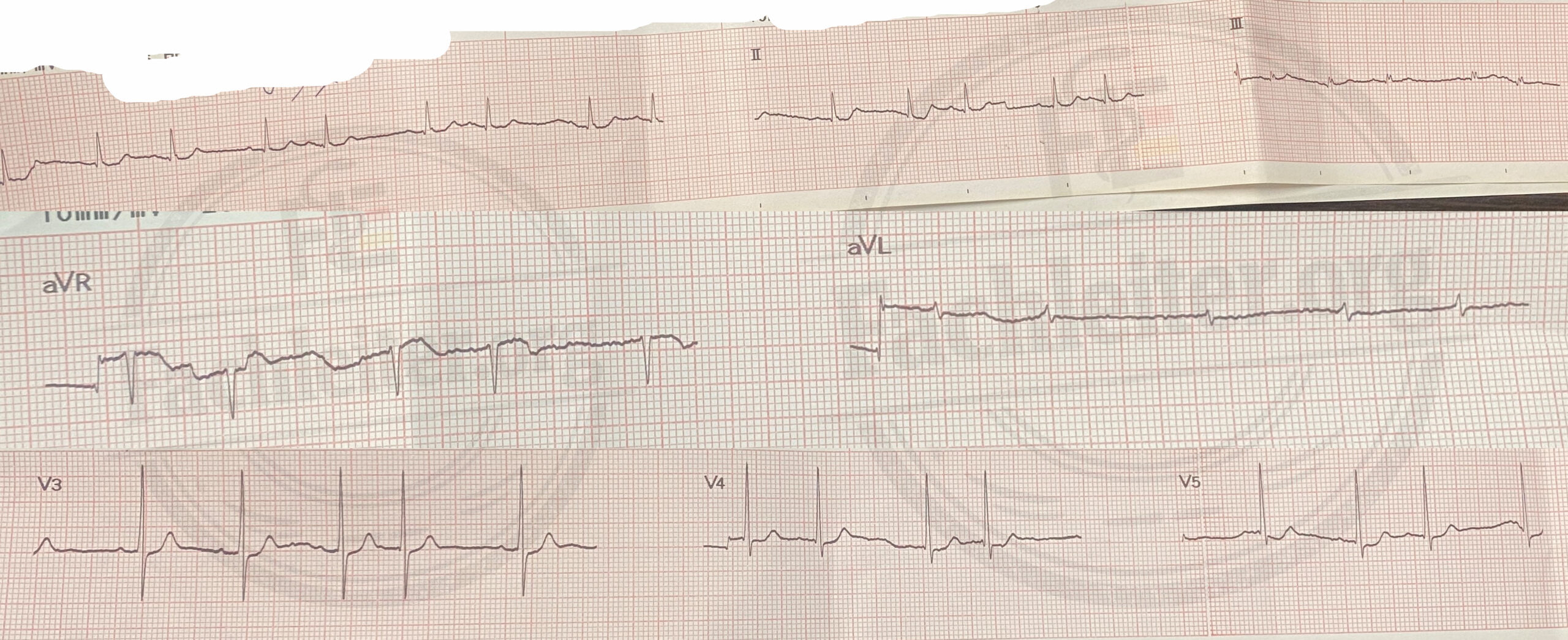
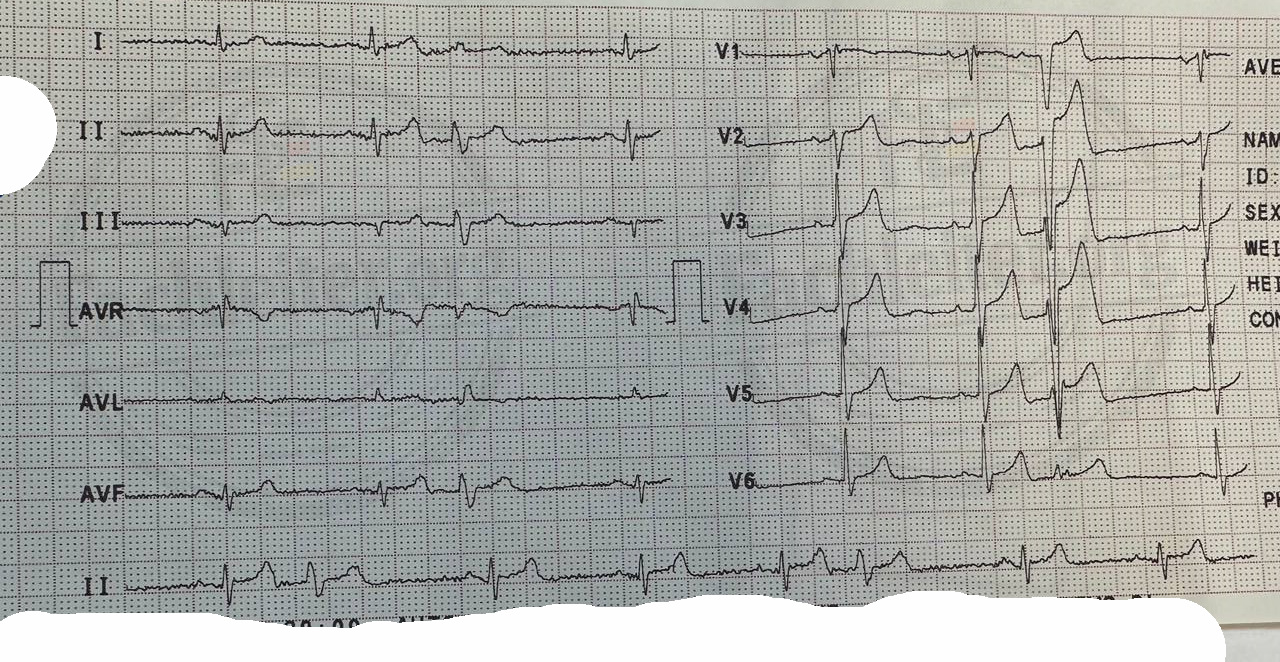
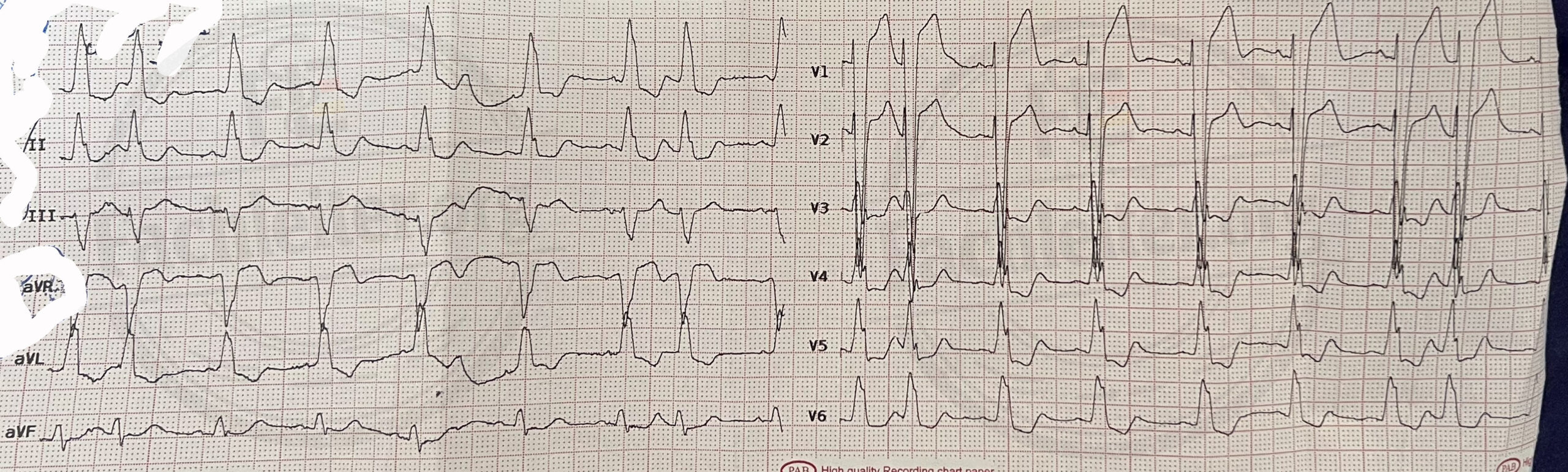
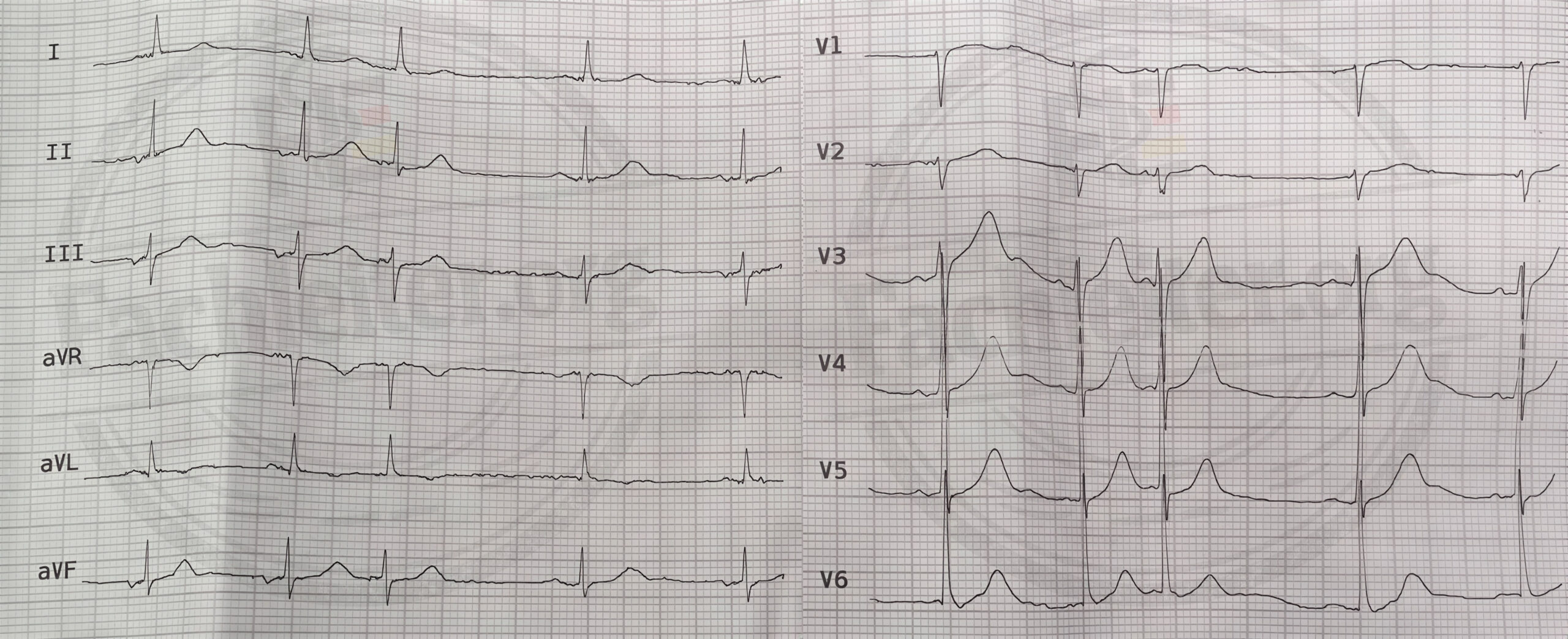
Causes
PACs can occur, among other causes, with:
- Stress or lack of sleep
- Caffeine, alcohol, or nicotine
- Electrolyte disturbances (e.g., hypokalemia, hypomagnesemia)
- Hyperthyroidism
- Fever or infections
- Structural heart disease
- Myocardial ischemia
- After cardiac procedures (e.g., coronary angiography or heart surgery)
Symptoms
Many patients are asymptomatic.
Possible symptoms:
- Skipped beats
- Palpitations
- Brief pause in the heartbeat
- Restlessness
- Dizziness (rare)
Clinical significance
Single PACs are usually benign and often require no specific therapy.
However, a high PAC burden can be associated with an increased risk for the following conditions:
- Atrial fibrillation
- Supraventricular tachycardias
- Rarely, tachycardia-induced cardiomyopathy
Diagnostics
- 12-lead ECG
- Long-term ECG (24–72 hours)
- Laboratory (electrolytes, TSH, inflammatory markers)
- Echocardiography if structural heart disease is suspected
Treatment
Treatment depends on the cause and symptoms.
Asymptomatic PACs
- Usually no therapy required
- Education and reassurance
Symptomatic PACs
- Treat underlying triggers
- Reduction of caffeine, alcohol and nicotine
- Correction of electrolyte disturbances
- Treatment of hyperthyroidism or infection
- In pronounced symptoms, possibly beta-blockers
Catheter ablation is only necessary in selected cases with a high symptomatic PAC burden.