
Greeting
Good day, dear Professor Doctor …,
I would now like to present the patient Ms. Laura Hack to you.
She is 18 years old, 174 cm tall and weighs approximately 70 kg. The body mass index (BMI) is 23.1 (normal range).
Current history
The patient presented with a two-day history of pyrexia up to 38.4 °C (measured axillary), cervical lymphadenopathy and stabbing odynophagian and myalgias. myalgias. Prodromal there had already been for about a week a slight fever, loss of appetite and .
On examination the patient had bilateral cervical lymphadenopathy, more pronounced in the posterior area than in the anterior neck region, and on palpation it was soft, mobile and tender to pressure.
Accompanying symptoms included xerostomia, two episodes of rigors, pharyngitis (whitish tonsillar coatings and pharyngeal inflammation), foetor ex ore especially in the morning as well as dry irritable cough.
The patient also reported a feeling of pressure in the epigastrium.
The following complaints were denied by the patient: conjunctivitis, rhinitis, hypogeusia, new otological findings, tachypnea, tachycardia, dyspnea, hoarseness, nausea, vomiting, abdominal pain, diarrhea, cutaneous rashes, repeated infections recently as well as bruises.
Although the patient took paracetamol 500 mg twice, there was no improvement in symptoms.
According to her, her boyfriend developed similar symptoms about two weeks ago and showed a rash after administration of ampicillin.
The patient also stated that she had attended the Oktoberfest about two months ago.
The patient has been fully vaccinated against COVID-19.
(The patient has just turned 18 and therefore can no longer go to her previous pediatrician. For this reason she is presenting to us today. She has not yet found a new general practitioner.)
Autonomic history
The autonomic history is unremarkable except for a vegan diet, under which consumption of garlic and onions leads to flatulence , as well as insomnia in the form of difficulties falling and staying asleep since the death of her father almost a year ago and in the last few days additionally due to the current symptoms.
Past medical history
The following pre-existing conditions are known from the history:
The patient has suffered since childhood from atopic dermatitis of the hands, triggered by cold in winter and by repeated use of alcohol-containing disinfectant sprays, with occasional rhagades.
For ten years she has had well-controlled diabetes mellitus type I. The patient uses an insulin pump on the abdomen; there are no skin changes at the insertion site. No secondary complications have occurred so far.
One month ago the patient sustained an Achilles tendon rupture, while jogging, which was treated conservatively with a bandage and ibuprofen and has so far shown marked improvement.
About one and a half years ago the patient suffered a rib fracture of the third and fourth ribs on the right while snowboarding, which was treated conservatively with analgesics, physical rest and healed without consequences.
Previous surgeries
Five years ago the patient sustained a nasal fracture from a ball trauma while playing volleyball; the surgical treatment proceeded without complications.
Note: If a statement can be objectively confirmed by a medical examination – for example by visible scars – the indicative is appropriate. (No physical examination takes place in the Fachsprachprüfung.)
Gynecology
The last menstruation was about a week ago. For approximately one year there has been a cycle disorder with variations between 20 and 40 days (polymenorrhea or oligomenorrhea). Premenstrually there are headaches that begin about 3–4 days before the onset of bleeding and last 2–3 days. The menstrual bleeding varies in intensity with episodes of heavy menstrual bleeding (4–5 tampons per day) and phases of light menstrual bleeding (1 tampon per day sufficient).
Medications
topical corticosteroid ointment locally
ibuprofen 400 mg as needed
St. John’s wortcapsules for treatment of insomnia
Note: If a statement can be objectively confirmed by a medical observation – for example based on a prescription – the indicative is appropriate.
Allergies
For several months there has been photosensitization in the form of sunburn, presumably related to the intake of St. John’s wort.
There is a pollen allergy, especially in spring, with allergic rhinoconjunctivitis. In addition, there is a food allergy to almonds and peanuts, which manifests as paresthesias of the tongue.
Noxae
Non-smoker
The patient occasionally consumes light beer.
Drug history: used cannabis three times
Social history
The patient works as a technical draftsman, lives with her mother, is single, but in a committed relationship.
Family history
The father died at the age of 62 from a malignant goiter, which was treated with radiotherapy.
The mother is 58 years old, has insulin-dependent diabetes mellitus and has experienced decreased vision in the left eye for about five years due to diabetic retinopathy.
The brother is 21 years old and suffers from cystic fibrosis , with chronic productive cough, recurrent dyspnea, increased susceptibility to infections and repeated hospitalizations; he regularly inhales medications.
Suspected and differential diagnosis
In my opinion, the anamnesis — especially sore throat, fever and diffuse cervical lymphadenopathy — suggests an infectious mononucleosis syndrome consistent with a likely EBV infection. Supporting factors are the friend’s similar complaints, the preceding prodrome and the visit to Oktoberfest about two months ago.
However, the pathogen cannot be identified on the basis of the clinical picture alone, and infectious mononucleosis can in particular be mistaken for bacterial tonsillitis. Therefore further diagnostic measures are required to enable targeted therapy.
A primary infection with human cytomegalovirus (CMV) is usually asymptomatic in healthy individuals but can cause mononucleosis-like symptoms. Exudative pharyngitis, lymphadenopathy, hepatitis and splenomegaly are less commonly expected.
There is no evidence of a lymphoma.
Pathogen/ causative agent
Viruses:
• Epstein-Barr virus (EBV):
The Epstein-Barr virus (EBV) is virtually ubiquitous in the human population worldwide and is predominantly detectable in adults.
The virus is not transmitted by casual contact but is usually acquired in early childhood via saliva-containing objects or in adolescence through kissing.
The incidence of infectious mononucleosis is highest in the 15- to 24-year age group.
EBV infects B lymphocytes.
The incubation period between exposure and onset of symptoms is usually 30 to 50 days.
The syndrome of infectious mononucleosis is characterized by the clinical triad of fever, sore throat and lymphadenopathy in the Waldeyer’s ring area in combination with an atypical lymphocytosis and the transient detection of heterophile antibodies.
On physical examination patients are usually febrile. Typical findings are pharyngeal erythema and tonsillar hyperplasia. Occasionally a mild periorbital edema can be observed. Abdominally there may be splenomegaly, hepatomegaly or both findings.
A rash can occur, especially after administration of ampicillin such as ampicillin
To date no vaccine has been developed.
• SARS-CoV-2 (Severe Acute Respiratory Syndrome Coronavirus 2):
Typical symptoms are fever, cough as well as gastrointestinal complaints such as diarrhea and vomiting.
• Influenza virus infection:
Typically presenting without lymphadenopathy. Fever, myalgias and dry cough are prominent.
Bacteria:
• The most common bacterial cause of pharyngitis in adults is Streptococcus pyogenes group A (β-hemolytic). Typical is the rapid onset with sore throat, pain on swallowing, fever, chills, malaise, headache, loss of appetite, possibly mild neck stiffness. Clinically there are hypertrophic tonsils with exudate, foul breath and tender, enlarged anterior cervical lymph nodes. Rhinorrhea (coryza) is typically absent.
Diagnostic workup
With clinical suspicion of infectious mononucleosis in younger patients, outpatient treatment is usually performed.
physical examination
First the vital signs are recorded, including heart rate, blood pressure, respiratory rate, oxygen saturation and body temperature.
This is followed by a targeted physical examination starting with inspection. Attention is paid to typical abnormalities such as a rash (e.g., in infectious mononucleosis after aminopenicillin administration), signs of rhinoconjunctivitis, tonsillar swelling with exudate, a reddened and swollen uvula, petechiae on the soft palate (e.g., in streptococcal infection) or the so-called “strawberry tongue” in scarlet fever.
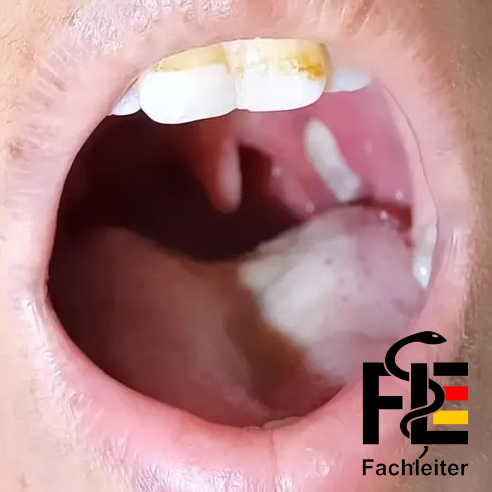
During palpation the cervical lymph nodes are assessed for tenderness, mobility and consistency and the abdomen is palpated for possible hepatomegaly or splenomegaly as may occur in EBV infection. Skin changes such as redness are also taken into account.
Percussion may yield dullness in pulmonary involvement (e.g., suspected pneumonia).
On auscultation — depending on the clinical picture — bronchial breath sounds (e.g., in viral respiratory infections) or fine crackles in the context of bacterial pneumonia may be detectable. An inspiratory stridor can indicate supraglottic involvement, for example in epiglottitis.
(Please note that the patient suffers from diabetes mellitus. Therefore ophthalmoscopy, diabetic foot examination and determination of HbA1c are indicated.)
Laboratory tests
In laboratory chemistry we would determine a differential blood count, CRP, erythrocyte sedimentation rate (ESR) as well as the renal retention parameters (urea and creatinine).
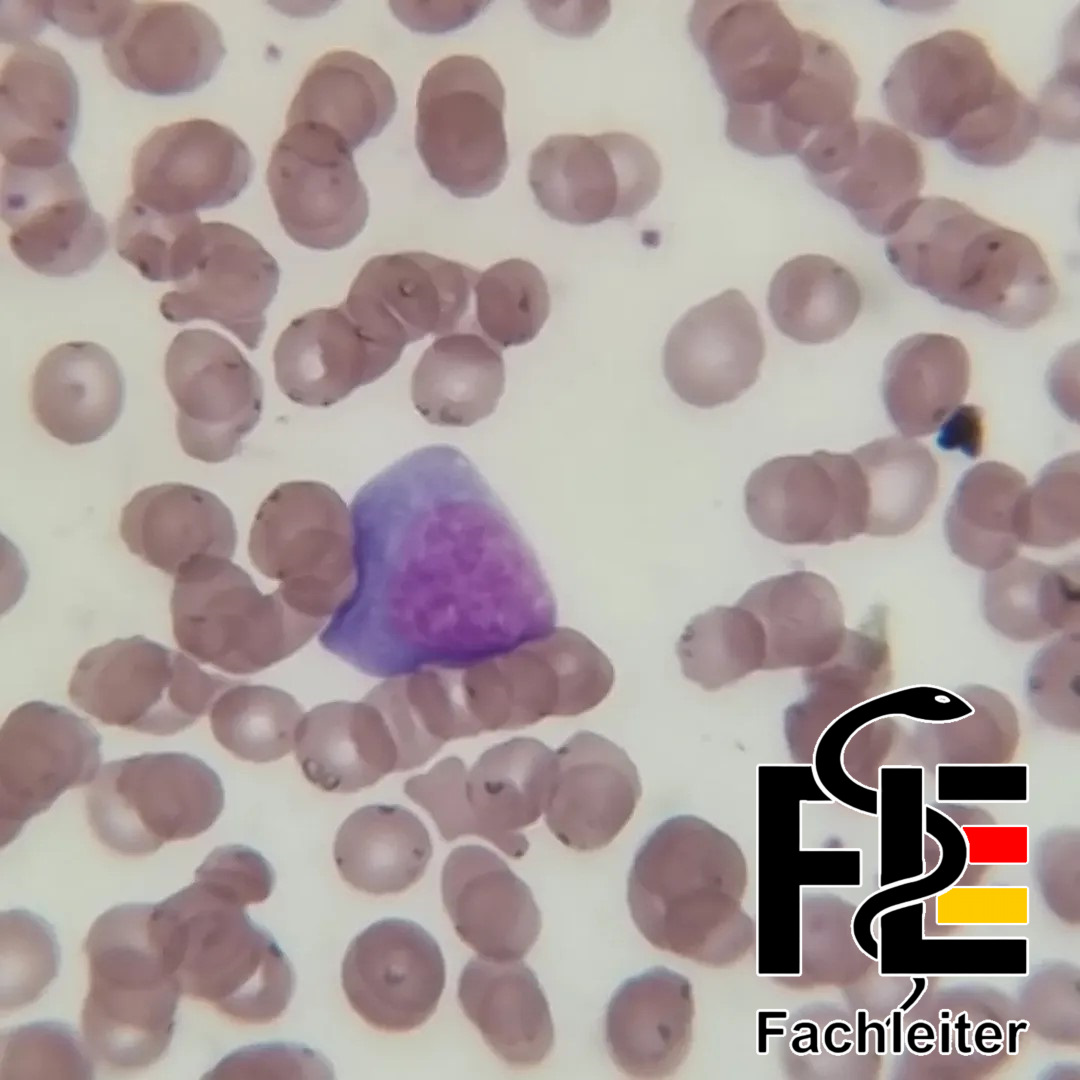
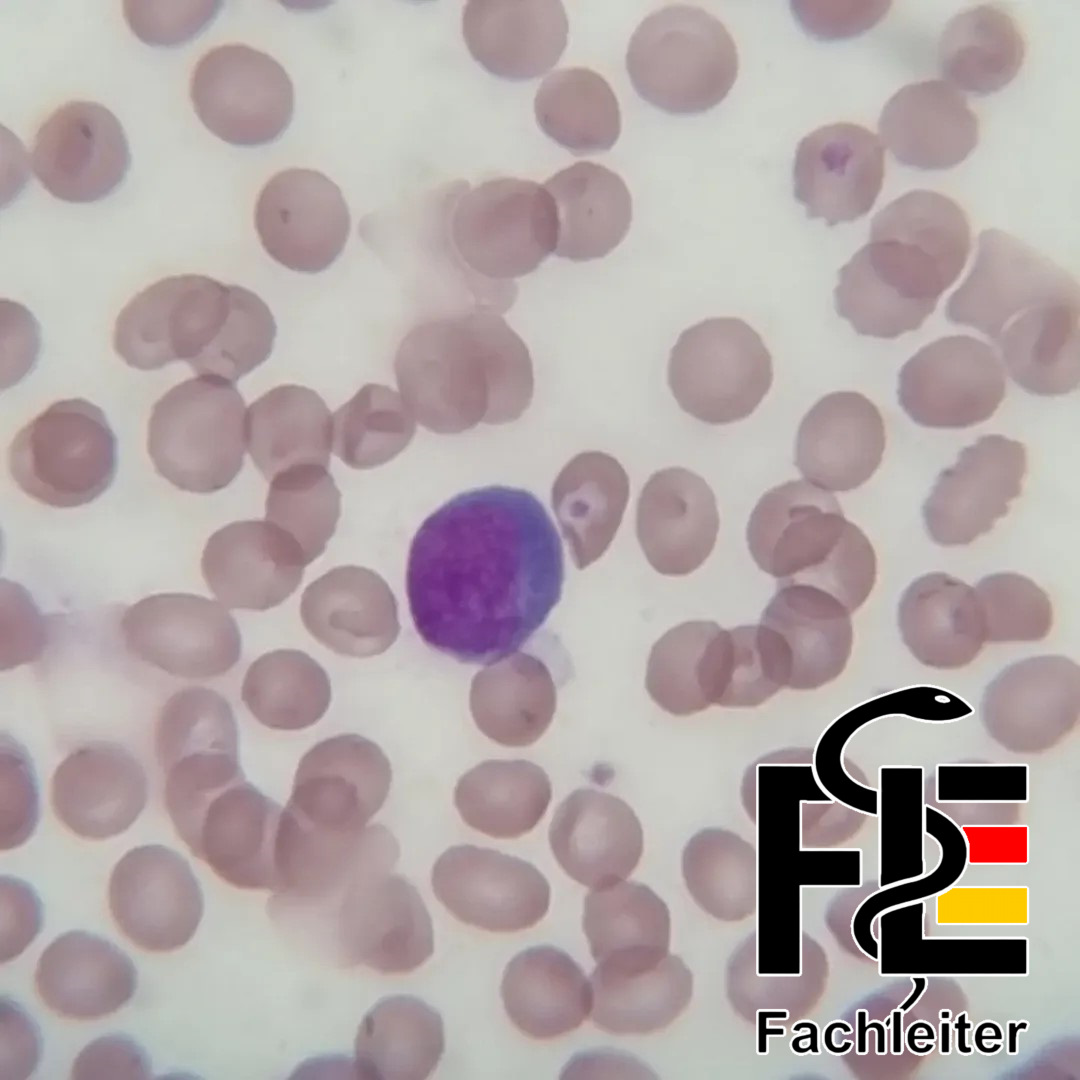
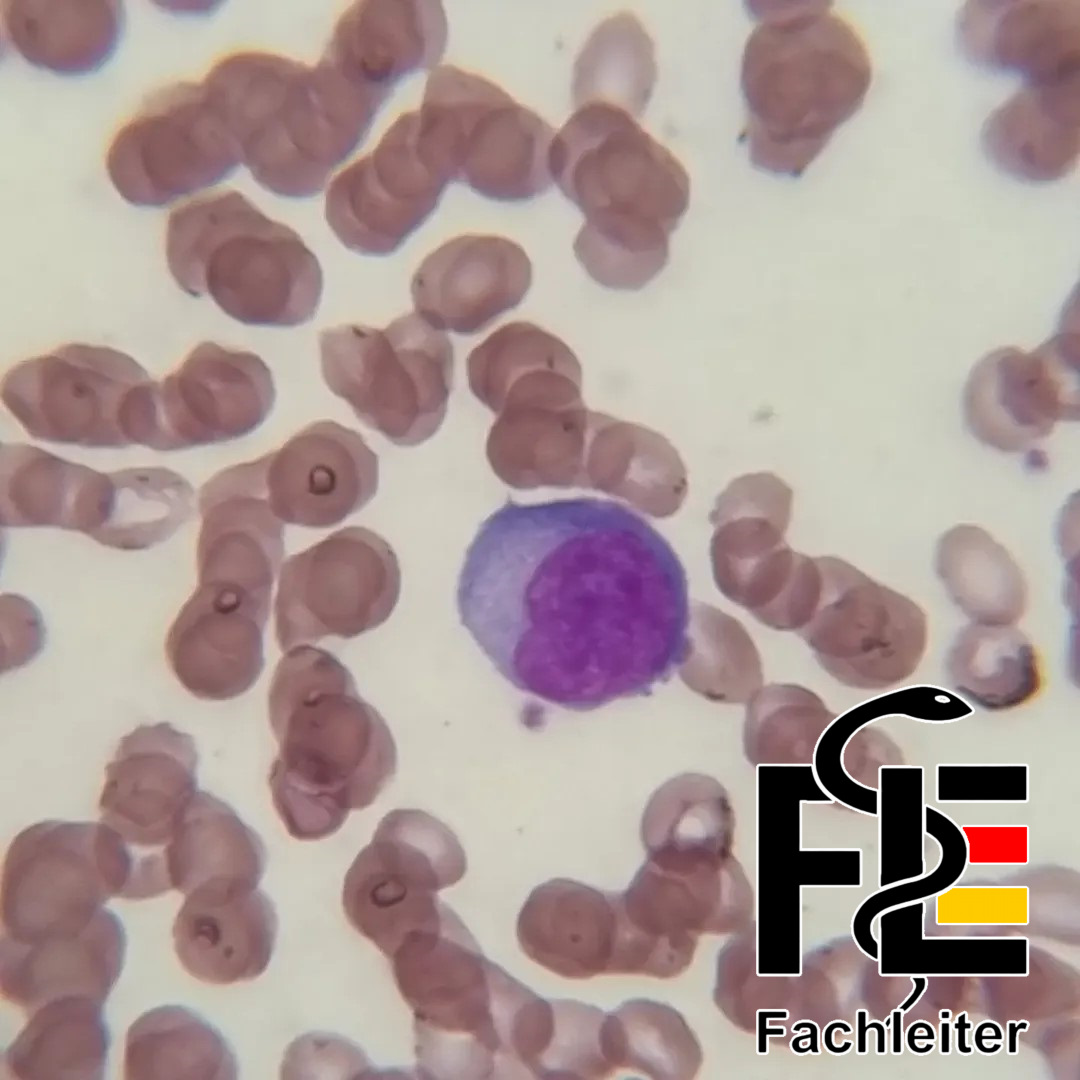
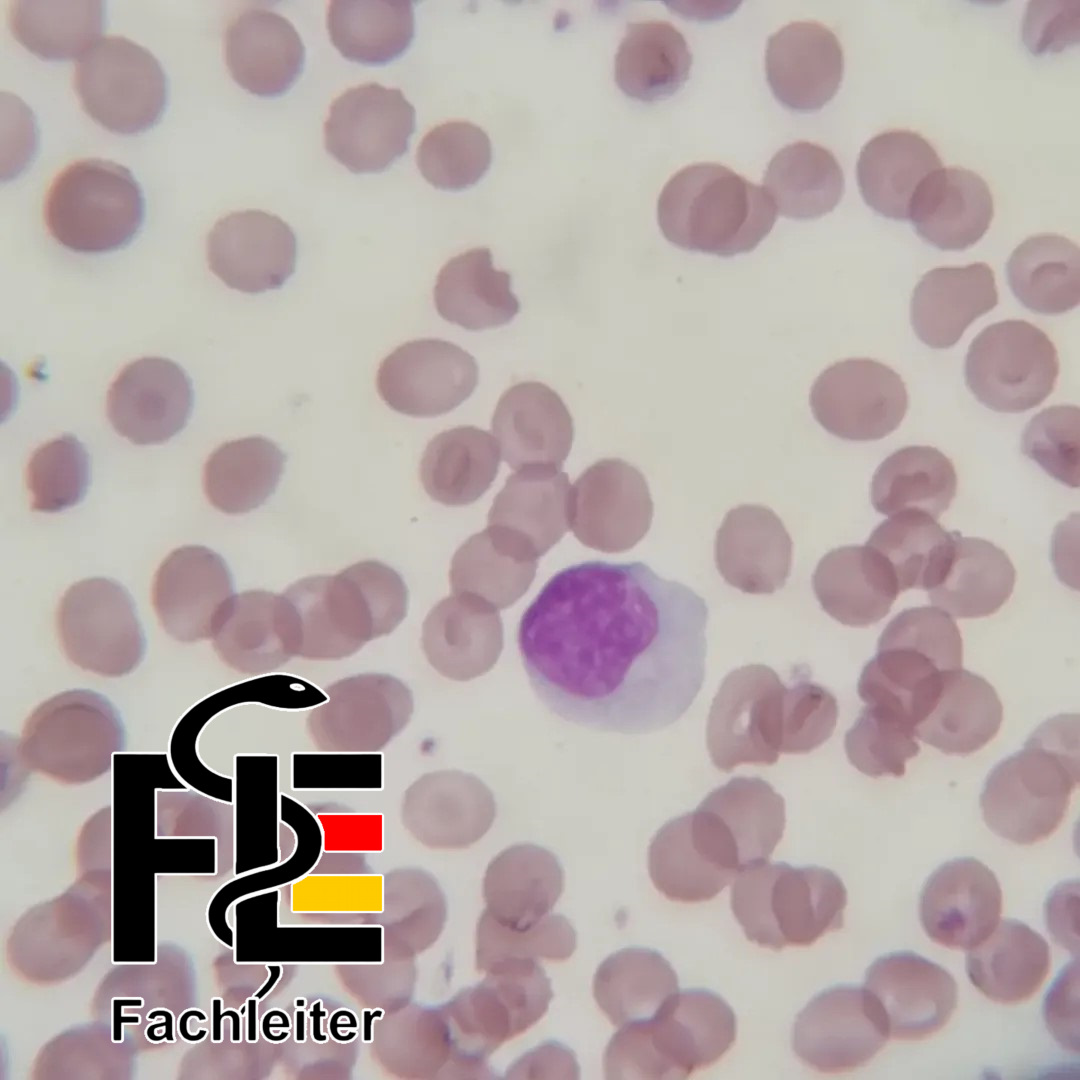
In the blood count there is often a leukocytosis with mononuclear cells. In the blood smear (figures) these show an irregularly shaped nucleus and are referred to as lymphoid or Pfeiffer cells, i.e., activated T lymphocytes.
The EBV rapid test (detection of heterophile antibodies against sheep erythrocytes) is classically used for the diagnosis of EBV-induced infectious mononucleosis. In about 90% of symptomatic acute infections these antibodies are detectable, but at the time of initial presentation only in around two thirds of patients. If the test is initially negative and clinical suspicion remains high, the test should be repeated in the second or third week of illness.
The detection of EBV-specific antibodies is the gold standard for diagnosing acute EBV infection. VCA-IgM is particularly important, while VCA-IgG persists lifelong and is not suitable for acute diagnosis. EBNA antibodies arise later; a seroconversion indicates a recent infection.
If bacterial tonsillitis due to Streptococcus pyogenes (GAS) is suspected, a throat swab for an antigen rapid test (RADT) should be performed first. If this is negative, a culture is additionally performed, which remains the diagnostic gold standard.
If there is clinical suspicion of COVID-19 a throat swab for PCR detection of SARS-CoV-2 should be performed.
Anatomic diagnosis
If hepatomegaly or splenomegaly is suspected in the context of an EBV infection, sonography is indicated.
Treatment
The clinical course is usually self-limiting and generally does not require specific therapeutic intervention.
• Physical rest / bed rest
• Adequate fluid intake
• Analgesics / antipyretics: paracetamol, ibuprofen
• If cough: dextromethorphan
• After symptom resolution, patients with clinically significant splenomegaly should refrain from physically strenuous sports for 3 to 4 weeks.
Complications
A fatal course of infectious mononucleosis is rare. When it occurs it is usually associated with neurological complications, splenic rupture or the X-linked inherited lymphoproliferative syndrome.
• Oral hairy leukoplakia
• Post-transplant lymphoproliferative disease (PTLD)
• Autoimmune hemolytic anemia
• Neutropenia
• Thrombocytopenia
• Burkitt lymphoma
• Subtype of Hodgkin lymphomas
• CNS lymphoma (central nervous system lymphoma)
|
Additional knowledge |
|
The most frequent pathogens are human rhinoviruses, RNA viruses that infect the upper respiratory epithelium and cause up to half of all illnesses. In addition, coronaviruses, influenza viruses, parainfluenza viruses or respiratory syncytial virus (RSV) can also cause this clinical picture. The incubation period is usually 2 to 8 days. |
|
|
 The common cold is a clinical syndrome mainly characterized by rhinorrhea and nasal obstruction and often accompanied by sore throat, sneezing, cough and a general feeling of illness.
Extra
Names:
Mr. Anders, Mr. Conrad, Mr. Kühn, Marianne Koch, Matthäus Bauer, Anna-Maria Schön
Details:
She had not traveled nor had contact with ill persons in her environment.
Her mother lives in another city, so they cannot see each other frequently.
The patient completed training as a gardener.
The family doctor (Mr. Glock) was on vacation during the Easter holidays.
Training as a pharmaceutical-technical assistant (PTA).
The patient is a grammar school student and wants to train as a computer technician after graduation.
Pre-existing conditions:
Sunlight dermatitis with vesicular skin reaction.
In solar urticaria she uses sunscreen (SPF 50) and wears a head covering when playing beach volleyball.
Bilateral Achilles tendon tendinitis for three weeks related to wearing inappropriate footwear.
Phimosis surgery seven years ago.
Celiac disease
Family history:
Her father died of colon cancer.
The patient lives with her mother who has Long-Covid; the father died of pancreatic cancer.
Medications:
She takes an oral contraceptive for birth control.
Valerian tablets
Symbicort® 300/9 µg as needed
Aquacort® spray as needed
Allergy:
House dust allergy with dyspnea and cough.
Noxae:
Alcohol intoxication: After a party there was a circulatory collapse requiring intensive care treatment. Since then she has abstained from alcohol.
Questions
1. How do you protect yourself when working with infectious patients?
I adhere strictly to the hygiene guidelines. This includes consistently wearing protective clothing such as gloves and a mouth-nose mask, disinfecting hands before and after each patient contact and — depending on the pathogen — additional protective measures such as protective goggles or isolation.
2. What is meant by phytotherapy?
Phytotherapy refers to treating diseases with medicinal products derived from plants or plant parts, such as extracts, teas or essential oils.
3. What is Long-COVID?
Long-COVID refers to the persistence or recurrence of symptoms for more than 4 weeks after an acute SARS-CoV-2 infection, for example fatigue, dyspnea or cognitive impairments.
4. What is volleyball?
Volleyball is a team sport in which two teams separated by a net play against each other and try to hit the ball over the net so that it touches the ground in the opponent’s court.
5. How are phobias treated?
Phobias are primarily treated psychotherapeutically, especially with cognitive behavioral therapy using exposure techniques. This is done gradually, meaning the patient is gradually and controlledly confronted with the fear-inducing situation until the fear response decreases.
6. Is it allowed to kiss others during an EBV infection (infectious mononucleosis)?
No, during an acute EBV infection one should refrain from kissing because the virus is transmitted via saliva. Only after symptoms have subsided and there is no longer a risk of contagion is kissing safe again.
7. Who was Robert Koch in medicine?
Robert Koch (1843–1910) was a German physician and microbiologist. He discovered the agents of anthrax, tuberculosis and cholera and is considered one of the founders of bacteriology. For his work he received the Nobel Prize in Physiology or Medicine in 1905.
8. How do you examine the lungs?
Inspection (looking): respiratory rate and pattern, breathing movements, cyanosis
Palpation (feeling): vocal fremitus, tenderness
Percussion (tapping)
Auscultation (listening)
9. Which instruments do you need for an oropharyngeal examination?
A tongue depressor and a light source, e.g. a headlamp or a flashlight.
10. Why did you consider COVID-19 infection or influenza despite completed vaccinations?
Notes
BMI
Term and calculation
The Body Mass Index (BMI) is a relative measure of body weight in relation to height. It is calculated by dividing body weight in kilograms by the square of height in meters.
Meaning and classification
The BMI serves as a rough indicator to estimate body weight relative to height and is used in practice to categorize underweight, normal weight and overweight. It does not, however, take into account body composition or distribution of fat and muscle mass.
Pyrexia
Definition and significance
Pyrexia denotes the clinical phenomenon of elevated body temperature, which is usually an expression of an inflammatory or infectious response.
Odynophagia
Definition
Odynophagia denotes pain or painful sensation when swallowing.
Causes and clinical clues
Painful swallowing frequently occurs in diseases of the pharynx or esophagus, for example pharyngitis, tonsillitis or esophagitis. The symptom is an important clue to inflammatory processes in the upper digestive or respiratory tract and should be assessed together with accompanying symptoms.
Prodromal
Definition
Prodromal describes an early stage of a disease with nonspecific precursor symptoms that do not yet show the full clinical picture.
Cephalgia
Cephalgia
Definition: Cephalalgia describes painful sensations in the head region that can vary in intensity, location and character.
Anorexia
Anorexia
Definition: Anorexia denotes a decreased or absent appetite and thus reduced food intake.
Xerostomia
Xerostomia
Definition: Xerostomia denotes subjectively perceived dry mouth due to reduced saliva production or altered saliva quality.
Chills
Chills
Definition: Chills describe a sudden, strong sensation of cold that may be accompanied by pronounced muscle shivering.
Pharyngitis
Pharyngitis — throat inflammation
Definition and typical features: Inflammation of the pharynx with sore throat and difficulty swallowing. The mucosa is often reddened; in bacterial involvement plaques may be visible on the tonsils.
Causes and course: Mostly viral infections, less commonly bacterial pathogens like streptococci. Accompanying features can include fever, swollen lymph nodes and a general feeling of illness.
Irritative cough
Irritative cough — dry cough
Definition and characteristics: A non-productive, irritating cough without notable mucus production, often described as scratchy or tormenting.
Epigastrium
Epigastrium — upper central abdominal region
Location and description: The epigastrium denotes the area above the navel and below the sternum in the middle of the upper abdomen, often referred to as the “pit of the stomach.”
Conjunctivitis
Conjunctivitis — inflammation of the conjunctiva
Clinical features: Inflammation of the conjunctiva with redness, foreign body sensation, increased tearing and depending on the cause varying secretions (watery to purulent) as well as itching in allergic genesis.
Rhinitis
Rhinitis
Inflammation or irritation of the nasal mucosa, typically accompanied by increased nasal secretion, nasal congestion and sneezing. Common triggers are viral infections, allergic reactions or inhaled irritants.
Hypogeusia
Hypogeusia
Reduced sensation of the sense of taste, ranging from diminished taste perception to partial loss. Causes can include infections, neurological disorders, certain medications or local damage to the oral cavity.
Tachypnea
Tachypnoea
Increased respiratory rate as an indication of respiratory or systemic stress; possible accompanying causes include fever, hypoxia, pain or metabolic disturbances. Clinical assessment takes into account respiratory depth, breathing efficiency and accompanying vital signs.
Tachycardia
Tachycardia
Accelerated heart rate, often perceived as palpitations; possible causes include, among others, fever, volume depletion, stress, medications or cardiac arrhythmias. Clinical significance depends on accompanying symptoms and hemodynamic status.
Dyspnoea
Dyspnoea — Shortness of breath
Brief description: Perception of difficult breathing or inadequate air supply, which can occur in cardiac, pulmonary or metabolic diseases. In the history, onset, exertional dependence, resting state and accompanying symptoms are important.
Nausea
Nausea — Nausea
Brief description: Subjective sensation of a retching urge without necessarily vomiting; can be caused by many factors such as gastrointestinal, metabolic or medication-related origins. When evaluating, the temporal course and triggers are queried.
Emesis
Emesis — Vomiting
Brief description: Active expulsion of gastric contents through the mouth; clinically relevant are frequency, occurrence relative to food intake and accompanying symptoms as well as possible causes such as infections or medication effects.
Diarrhoea
Diarrhoea — Diarrhoea
Brief description: Increased bowel evacuation with loose stool or increased stool frequency, often multifactorial; duration, accompanying symptoms and fluid status are important.
Hematomas
Hematomas
Hematomas are localized collections of blood in the tissue, usually resulting from vascular injuries after trauma or due to impaired blood coagulation.
Meteorism
Meteorism
Meteorism refers to excessive accumulation of gases in the gastrointestinal tract, which can clinically manifest as a feeling of fullness, visible abdominal distension and increased flatulence. Causes are often dietary factors (for example certain vegetables or hard-to-digest carbohydrates), bacterial fermentation in the gut or disturbances of intestinal motility.
Insomnia
Insomnia
Insomnia describes persistent difficulties falling asleep or staying asleep or non-restorative sleep despite adequate opportunity to sleep, associated with daytime impairments such as fatigue or concentration problems. Psychological triggers such as stress or distressing life events are common.
Atopic dermatitis
Atopic dermatitis (atopic eczema)
Definition:
Chronic inflammatory skin disease characterized by a disturbed skin barrier and an increased tendency to atopic reactions.
Clinical features:
Dry, intensely itchy and inflamed skin areas; flexural surfaces such as the antecubital and popliteal fossae as well as the neck and face are preferentially affected. The hands may develop fissures due to repeated irritant exposure.
Triggers:
Genetic atopy predisposes to the disease. Exogenous factors such as cold, certain skin irritants (e.g. alcohol-containing disinfectants) and psychological stress can trigger or worsen flares.
Treatment focus:
The basis is consistent skin care and the use of emollient basic therapeutics to restore the skin barrier as well as avoidance of known triggers. In inflammatory flares, locally effective corticosteroids or other topical anti-inflammatory therapies are used; more severe or therapy-resistant cases require dermatological evaluation.
Type 1 diabetes mellitus
Type 1 diabetes mellitus
Definition and pathophysiology:
Autoimmune destruction of the insulin-producing beta cells in the pancreas, leading to an absolute insulin deficiency.
Clinical management:
Type 1 diabetes requires lifelong insulin therapy and regular blood glucose monitoring; insulin pumps are used for continuous insulin delivery in suitable patients. Screening and prevention of long-term complications as well as education on nutrition and recognition of hypoglycaemia are also important.
Distinction:
Type 1 diabetes differs from type 2 diabetes (primarily insulin resistance and impaired insulin secretion) and from gestational diabetes (pregnancy-associated insulin resistance).
Achilles tendon rupture
Achilles tendon rupture
Term and anatomy:
The Achilles tendon connects the calf muscles (triceps surae: gastrocnemius and soleus) to the calcaneus and transmits the plantarflexion force of the foot.
Clinical presentation and typical mechanism:
A rupture usually presents suddenly with a sharp pain or an audible tearing noise, swelling and limitation of plantarflexion; a common scenario is a forceful push-off or fall during sports.
Diagnostics:
Diagnosis is primarily based on clinical examination (e.g. functional tests such as the Thompson test) and is confirmed by ultrasound or MRI if needed.
Therapy and prognosis:
Treatment can be conservative (immobilization/orthosis with subsequent physiotherapy) or surgical; the choice depends on the extent of the rupture, patient factors and functional demands. Targeted rehabilitation is crucial for restoration of function.
Polymenorrhoea
Polymenorrhoea
Definition:
Polymenorrhoea describes a shortening of the menstrual cycle with increased frequency of bleeding.
Oligomenorrhoea
Oligomenorrhoea
Definition: Reduced frequency of menstrual bleeding with prolonged cycle intervals. Cycle lengths of more than about 35 days are usually considered oligomenorrhoeic.
Headaches
Headaches
Description: Premenstrual headaches that occur about 3–4 days before the onset of bleeding and last for 2–3 days according to the description.
Hypermenorrhoea
Hypermenorrhoea
Definition: Increased bleeding intensity during menstruation with a markedly increased blood loss for the affected individual.
Hypomenorrhoea
Hypomenorrhoea
Definition: Decreased bleeding intensity during menstruation with an overall reduced blood loss.
Cortisone ointment
Cortisone ointment
Group: Topical glucocorticoids for local application to the skin.
Effect: Inhibit inflammatory reactions in the skin and reduce redness, swelling and itching by suppressing inflammatory mediators.
Application: Apply locally to inflamed skin areas, typically for eczema, allergic contact dermatitis or other inflammatory skin diseases.
Important risks: With prolonged or large-area use, thinning of the skin, stretch marks, telangiectasia and pigment changes may occur; in addition, the risk of systemic side effects from absorption increases with large-area/long-term use. If infection is suspected, discontinue local application and have it medically evaluated.
St John’s wort
St John’s wort
Group: Herbal antidepressant (extract from Hypericum species).
Effect: Shows antidepressant effects in mild to moderate depressive episodes; the exact mechanisms include modulation of neurotransmitter systems.
Application: Primarily used to treat mild to moderate depression and occasionally for anxiety symptoms; not established as a standard therapy for sleep disorders.
Important risks/interactions: Can cause phototoxic skin reactions. Significant are interactions due to induction of drug-metabolizing enzymes and transporters in the liver, which can reduce the efficacy of other medications. Common side effects are gastrointestinal complaints and headaches.
Paresthesias
Paresthesias
Definition: Unusual, non-painful sensations such as tingling, pins-and-needles, a numb or furry feeling or numbness.
Clinical classification: Occur with nerve irritation or damage as well as with metabolic or allergic reactions. Locally limited paresthesias of the tongue can, for example, occur with oral allergy symptoms after consumption of certain foods.
Malignant goitre
Definition
The term malignant goitre refers to malignant neoplasms of the thyroid gland.
Frequency and types
The most common are differentiated carcinomas, particularly papillary thyroid carcinoma; it is the most frequent histological variant. Rare and more aggressive entities such as anaplastic carcinoma have a markedly worse prognosis.
Clinical course and prognosis
Differentiated tumors often show a comparatively favourable prognosis, especially when detected early and treated appropriately. Older age and poorly differentiated histologies are associated with a worse prognosis.
Retinopathy
Definition
Diabetic retinopathy is damage to the retinal vessels caused by chronically elevated blood glucose levels.
Pathophysiology and clinical picture
Microangiopathic changes such as microaneurysms, hemorrhages and neovascularization lead to progressive impairment of retinal function. Over time this can result in visual impairment and, if untreated, blindness.
Course and significance
Initially, the disease can be asymptomatic; regular eye examinations are important to detect stages requiring treatment early.
Cystic fibrosis
Definition
Cystic fibrosis (mucoviscidosis) is a genetically determined disease in which a defective transport protein leads to viscous secretions in various organs.
Clinical features
Typical manifestations affect the airways and the exocrine pancreas: chronic productive cough, recurrent respiratory infections, digestive disorders due to malabsorption and failure to thrive are common.
Genetics and prognosis
The disease is inherited in an autosomal recessive manner. Due to advances in treatment, life expectancy has improved significantly; many affected individuals now reach adulthood.
Blood pressure
Blood pressure measurement
Device: Sphygmomanometer with inflatable cuff, hand bulb and pressure gauge; a stethoscope is usually used for auscultatory measurement.
Measurement principle: The cuff is applied to the upper arm and the pressure is altered so that characteristic Korotkoff sounds appear as the air slowly escapes, from which systolic and diastolic values are derived.
Important notes: Cuff size, arm position and the patient’s rest affect measurement accuracy.
Respiratory rate
Respiratory rate
Definition: Number of breaths per minute.
Clinical orientation: An increased respiratory rate (tachypnea) is often observed with respiratory distress, whereas a decreased rate (bradypnea) may indicate central or metabolic disorders.
Reference limits (orientative): Tachypnea > 20 breaths/min, bradypnea < 12 breaths/min.
Oxygen saturation
Oxygen saturation (SpO2)
Measurement method: Noninvasive measurement with a pulse oximeter, which is usually attached to the finger, toe or earlobe and indicates peripheral arterial oxygen saturation.
Meaning: The measured saturation provides an indication of the blood’s oxygenating function; measurements can be affected by poor perfusion, movement or contaminants at the measurement site.
Body temperature
Body temperature
Measurement methods: Measurements can be performed rectally, orally or axillary; the choice of method depends on age, clinical situation and desired accuracy.
CRP
Designation:
C-reactive protein (CRP) is an acute-phase protein produced in the liver, the concentration of which rises in the blood during inflammatory processes.
Laboratory significance:
CRP serves as a non-specific marker for inflammation and infection and can be used to monitor the course of therapeutic measures. It usually responds more rapidly to changes in inflammatory status than the erythrocyte sedimentation rate.
Limitations:
CRP is not specific for a particular cause; elevated values can also occur with tissue damage or systemic inflammation and must be evaluated in the clinical context.
Erythrocyte sedimentation rate
Definition:
The erythrocyte sedimentation rate (ESR, also BSG) indicates how far erythrocytes sink in anticoagulated blood within 60 minutes.
Physical basis and influencing factors:
Sedimentation is influenced by plasma proteins (e.g., fibrinogen, immunoglobulins) as well as by properties of erythrocytes (shape, number); age, sex and anemia can also alter the ESR.
Clinical application:
The ESR is a nonspecific marker of inflammation and disease course that responds more slowly to changes than CRP and should always be interpreted in conjunction with other findings.
Peripheral blood smear
Purpose:
A peripheral blood smear is used for the morphological assessment of blood cells to determine, for example, leukocyte forms, erythrocyte abnormalities and to support the differential blood count.
Technique:
A drop of blood is placed at the edge of a slide. A second slide is used at a shallow angle (about 30–45°) to evenly spread the blood forward so that a thin area with a “feathered edge” is produced. The smear must air dry before it is stained.
Staining and evaluation:
After air drying, the preparation is treated with appropriate cytological stain series (e.g., May-Grünwald-Giemsa or Pappenheim) and then examined microscopically for cell morphology and cell distribution.
PatientSalutation: Mr./Ms. Senior Physician ……….., I would like to introduce the patient Ms. Laura Hack to you. |
Date04/09/2025 |
| Age18 years | Weight70 kg | Height174 cm |
Allergies (keywords)
Photosensitization (St. John’s wort)
Pollen allergy (rhino-conjunctivitis)
Food allergies (almonds, peanuts → paresthesias of the tongue)
Substance use / drugs (keywords)
Non-smoker
occasional beer
three instances of cannabis use
Social history (keywords)
Technical drafter
lives with mother
single, steady partnership
Family history (keywords)
Father: malignant goiter, died at age 62.
Mother: 58 years, type I diabetes mellitus, reduced vision left due to diabetic retinopathy
Brother: 21 years, cystic fibrosis with chronic cough, dyspnea, increased susceptibility to infections
Medications (keywords)
Insulin pump
Cortisone ointment
Ibuprofen 400 mg as needed
St. John’s wort capsules
History (full sentences)
The patient presented with fever up to 38.4 °C for two days, cervical lymphadenopathy, stabbing sore throat and myalgias. Prodromally there was about one week of low-grade fever, loss of appetite and headaches.
Concomitantly she complained of dry irritating cough, xerostomia, two episodes of chills, fetor ex ore and pressure sensation in the epigastrium.
A bilateral, palpably soft, mobile and tender lymphadenopathy was more pronounced posteriorly.
Conjunctivitis, rhinitis, dyspnea, hoarseness, gastrointestinal complaints and cutaneous rashes were denied. Two doses of paracetamol 500 mg had no effect.
According to her, her boyfriend developed similar symptoms about two weeks earlier and showed a rash after administration of ampicillin.
The patient also reported attending the Oktoberfest about two months ago.
The vegetative history is largely unremarkable, except for a vegan diet with flatulence after garlic/onion and insomnia since the death of her father, currently worsened.
Suspected diagnosis – differential diagnosis (full sentences)
Clinically there is suspicion of infectious mononucleosis (EBV infection). Differentially, a bacterial tonsillitis and a primary CMV infection are possible. A lymphoma is currently unlikely.
Further approach – therapy (full sentences)
For diagnostic confirmation a blood count, liver enzymes and serological tests (EBV) are indicated. Symptomatic therapy with analgesics/antipyretics (e.g. ibuprofen) and adequate fluid intake are recommended. Physical rest with avoidance of contact sports is indicated to avoid risking a possible splenomegaly.
1. Age
2. Main complaint
1. usually 15–24 years
1. asymptomatic
2. fever for 2–3 days, cervical lymphadenopathy, sharp sore throat, myalgias
3. Associated symptoms
3. dry irritating cough, chills, fetid breath (foetor ex ore), epigastric pressure (suggesting splenomegaly), palatal petechiae, pharyngitis, maculopapular or morbilliform rash, xerostomia
4. Prodromal
5. Exposure history
4. about one week of low-grade fever, decreased appetite and headaches
1. contact with a person with similar symptoms in the environment
2. attendance at a crowded event
6. Physical
Examination
6. vital signs, petechiae on the soft palate (e.g., with streptococcal infection), “strawberry tongue” in scarlet fever,
lymph node status: cervical, posterior-predominant (in the region of the Waldeyer ring), bilateral, soft, mobile, tender to pressure
abdominal findings: hepatomegaly or splenomegaly
auscultation (suspected pneumonia): fine crackles, bronchial breath sounds
7. Differential diagnoses
1. mononucleosis-like syndrome: EBV (Epstein-Barr virus), CMV (cytomegalovirus), HIV (acute HIV infection)
2. bacterial pharyngitis: Streptococcus pyogenes group A
3. viral causes of pharyngitis: adenoviruses, rhinoviruses, influenza viruses
4. not applicable: lymphoma, toxoplasmosis
8. Laboratory
laboratory: differential blood count, CRP, ESR, renal retention parameters
blood count: leukocytosis with mononuclear cells
blood smear: atypical lymphocytes (Pfeiffer or lymphoid cells, activated T lymphocytes)
rapid test: EBV rapid test (heterophile antibodies)
gold standard: detection of VCA-IgM
serology: EBNA antibodies appear later
9. Further management
10. Therapy
9. hepatic or splenic enlargement: ultrasound
1) self-limiting and usually does not require specific therapy: paracetamol, ibuprofen
2) after symptom resolution, clinically significant splenomegaly should prompt avoidance of physically strenuous sports for 3 to 4 weeks.
11. Pathogen
11.
Epstein-Barr virus (EBV)
transmission: saliva, early childhood (objects), adolescence (kissing)
target cells: B lymphocytes
incubation period: 30–50 days
rash: especially after ampicillin administration
12. Complications
malaise and fatigue: often persistent for months
splenic rupture
post-transplant lymphoproliferative disease (PTLD)
autoimmune hemolytic anemia, neutropenia, thrombocytopenia
Burkitt lymphoma, a subtype of Hodgkin lymphomas, CNS lymphoma
13. Now imagine: How would you typically report on an infectious mononucleosis?
I
13. The patient presented with a two-day history of fever up to 38.4 °C, cervical lymphadenopathy, sharp sore throat and myalgias. Prodromally she had about one week of low-grade fever, decreased appetite and headaches.
She additionally complained of dry irritating cough, xerostomia, two episodes of chills, fetid breath (foetor ex ore) and epigastric pressure.
13. Now imagine: How would you typically report on an infectious mononucleosis?
II
13. A bilateral, palpably soft, mobile and tender lymphadenopathy was more pronounced posteriorly.
She denied rhinoconjunctivitis, dyspnea, hoarseness, gastrointestinal complaints and cutaneous rashes.
According to the patient, her boyfriend developed similar symptoms and an ampicillin-associated rash two weeks earlier. She also attended Oktoberfest two months ago.
General terms:
1. fever
2. swollen neck lymph nodes/ lumps
3. painful swallowing
4. muscle aches
5. prodromal symptoms
6. loss of appetite
7. headaches
8. Dry mouth
Technical term:
1. Pyrexia
2. Cervical lymphadenopathy
3. Odynophagia
4. Myalgia
5. Prodromal
6. Inappetence
7. Cephalalgia
8. Xerostomia
General term:
9. Pharyngitis
10. Tonsillar exudates
11. Bad breath
12. Epigastric region
13. Conjunctivitis
14. Runny nose
15. Taste disturbance (reduced taste)
16. Ear findings
Technical term:
9. Pharyngitis
10. Tonsillar exudates
11. Halitosis
12. Epigastrium
13. Conjunctivitis
14. Rhinitis
15. Hypogeusia
16. Otological findings
General term:
17. Rapid breathing
18. Fast pulse
19. Shortness of breath
20. Nausea
21. Vomiting
22. Abdominal pain
23. Diarrhea
24. Skin rash
Technical term:
17. Tachypnea
18. Tachycardia
19. Dyspnea
20. Nausea
21. Emesis
22. Abdominal pain
23. Diarrhea
24. Cutaneous exanthem
1) Instruments for throat examination
2) Diagnosis of bacterial tonsillitis due to Streptococcus pyogenes (GAS)
1) A spatula and a light source, e.g. a headlamp or a torch
2) Clinical suspicion
Throat swab → rapid antigen detection test (RADT)
If negative → culture
fachleiterinfo@gmail.com
instagram.com/fachleiterinfo
fachleiterinfo@gmail.com
instagram.com/fachleiterinfo