
Greeting
Good day, dear Professor Doctor …,
I would now like to present the patient Ludwig Jäger to you.
He is 57 years old, one meter seventy-six tall and weighs about 85 kg. His body mass index (BMI) is 27.4 and therefore falls in the overweight range.
Present history
The patient presents with approximately five months of paradoxical diarrhea as well as abdominal pain in the form of tenesmus to our clinic.
According to him, the symptoms have progressively worsened over the past two months.
He reports altered bowel habits with alternating constipation and diarrhea, at times pencil-thin stools and the sensation of incomplete evacuation. The alternation between diarrheal and constipated phases occurs at intervals of two to four days. During diarrheal phases the patient reports multiple, mostly minor, loose stools.
He stated that about two months ago he first noticed blood in the toilet bowl.
He describes the bleeding such that sometimes only a small streak of blood is visible on the stool, while on other days considerably more blood appears, partly mixed with mucus.
The following accompanying symptoms are present:
Pallor, Dizziness, exertion-related dyspnea, Fatigue as well as hematochezia.
The following clinical signs were not detected:
Pyrexia, nocturnal hyperhidrosis, Nausea and vomiting, hematemesis, melena, pathological findings or coatings in the oral mucosa area, dysphagia, hemorrhoids or anal fissures, lymphadenopathy, jaundice or pruritus.
There was also neither travel abroad nor antibiotic intake recently.
There are no urological complaints.
The patient came accompanied by his neighbor.
The patient has so far not sought medical attention because he had hoped for spontaneous improvement. He also reports difficulties in obtaining outpatient appointments.
Autonomic history
The autonomic history is unremarkable, aside from an unintentional weight loss of 2 kg due to loss of appetite in the past four weeks and stress-related insomnia.
Both occupational stress from digitalization and the existing symptoms contribute to the sleep-onset disturbances.
Past medical history
His known pre-existing conditions are the following:
The patient reports arterial hypertension diagnosed seven years ago during a preventive check-up. It is well controlled with medication and has not led to any complications so far.
Three months ago he had an acute frontal sinusitis. Initial therapy with amoxicillin was started but discontinued due to intolerance/allergy; subsequently treatment with azithromycin was given.
For 5 years he has had bilateral coxarthrosis. The patient reports exertion-related hip pain, especially when walking and standing for longer periods. Previous therapy includes physiotherapy and taking ibuprofen as needed (about 2× per week).
There is a claustrophobia with a tendency to panic attacks. Lorazepam (Tavor) is taken as needed.
The patient reports a history of Lyme disease about five years ago after a tick bite on the right lower leg.
One year ago the patient suffered a fracture of the left acromioclavicular joint in a skiing accident. Treatment was conservative with a backpack bandage, rest and analgesia.
Previous surgeries
At the age of six he had a strabismus of the right eye, which was corrected surgically.
Note: When a statement can be objectively confirmed by a medical examination – for example by visible scars – the indicative is appropriate. (No physical examination takes place in the Fachsprachprüfung.)
Gynecology
————-
Medications
Valsartan 80 mg 1-0-0
Ibuprofen 400 mg as needed
Tavor 0.5 mg as needed
Valerian tablets 300 mg, sleep induction, OTC, no effect
Note: When a statement can be objectively confirmed by a medical observation – for example by a prescription – the indicative is appropriate.
Allergies
The patient reports an allergy to amoxicillin with abdominal pain and diarrhea.
He also has a fish allergy with pruritus and rash.
Toxins / social history
The patient has smoked about 5 cigarettes per day for 5 years; previously he smoked about one pack daily for approximately 15 years. This corresponds to a nicotine exposure of about 17.5 pack-years.
He also reports anamestic indications of possible COPD-associated changes.
The patient has been drinking about two glasses of beer daily for two years.
He denies drug use.
Social history
The patient works in a library. He is currently undergoing divorce proceedings, which are expected to be finalized in about three months. He lives in an apartment with his 25-year-old son.
Family history
The son suffered at age 13 from a testicular torsion, which was treated surgically, and currently suffers from multiple sclerosis.
The father is 82 years old; multiple colonic polyps were discovered and removed when he was 45.
The mother is 80 years old, lives in a nursing home and has diabetes mellitus. Two years ago a left lower leg amputation was performed. She is on insulin therapy. There are also historical indications of a possible long-COVID syndrome.
Suspected and differential diagnosis
In my opinion, the anamnesis — in particular the paradoxical diarrheas and the hematochezia — suggests a colorectal carcinoma.
Age, a high-fat diet with a high proportion of red meat, and the positive family history with polyposis in the father are considered risk factors in this case.
For an inflammatory bowel disease (IBD) we usually expect a younger age. Symptoms typically occur in flares and are not progressive. Extraintestinal or perianal manifestations may also occur.
In diverticulitis, acute pain in the left lower abdomen and fever are usually expected.
Adhesions are considered as a differential diagnosis, especially after prior abdominal surgical procedures.
Symptoms such as hematochezia, weight loss and progressive complaints argue against irritable bowel syndrome. Irritable bowel syndrome.
An infectious enterocolitis is less likely, as this typically presents with acute diarrhea and fever.
Diagnostic workup
Since the patient is to be classified as high risk due to his age and existing hypertension, inpatient admission should be considered to initiate initial diagnostic and therapeutic measures. At the same time, consultation with gastroenterology, medical oncology/hematology and surgery is recommended. Apart from ensuring hemodynamic stability, no further acute medical measures are currently required.
physical examination
After the history, a comprehensive physical examination follows, beginning with the assessment of vital signs, including heart rate, blood pressure, respiratory rate, oxygen saturation and temperature.
On inspection, signs of dehydration such as dry mucous membranes, signs of anemia in the form of pallor, and indications of cachexia may be noticeable.
On palpation, a thready pulse and abdominal guarding as an indication of peritonitis due to a perforation may be found.
Percussion usually yields unremarkable findings, except in the presence of hepatosplenomegaly.
Auscultation may reveal tachycardia or, in patients with partial obstruction, hyperactive bowel sounds.
Finally, a digital rectal examination is performed, particularly to detect occult blood. In this case visible blood was present; nevertheless the examination is required to assess the distal rectum and anal canal.
During the physical examination extraintestinal manifestations may appear, as typically occur in Peutz-Jeghers– or Gardner syndrome .
Extraintestinal manifestations of inflammatory bowel diseases include, among others, erythema nodosum, iritis, uveitis (especially in Crohn’s disease), episcleritis, arthritis and clubbing.
|
Location |
Typical clinical presentation |
|
Proximal colon |
Iron deficiency anemia due to occult blood loss |
|
Distal colon |
Change in bowel habits (constipation/diarrhea), hematochezia |
|
Rectum |
Change in stool caliber, rectal bleeding, rectal pain |
Laboratory tests
We would order the following laboratory tests: complete blood count, renal function parameters, electrolytes, liver values (ALT, AST, GGT, AP, bilirubin), pancreatic enzymes and C-reactive protein.
The tumor markers CEA and CA 19-9 may be elevated in peripheral blood, but are relatively insensitive and can also be increased in other solid tumors. They are therefore mainly used for monitoring disease course and therapy in cancer patients.
Electrocardiogram
An ECG is indicated because the patient has arterial hypertension; electrolyte disturbances can also be detected.
Anatomical diagnosis
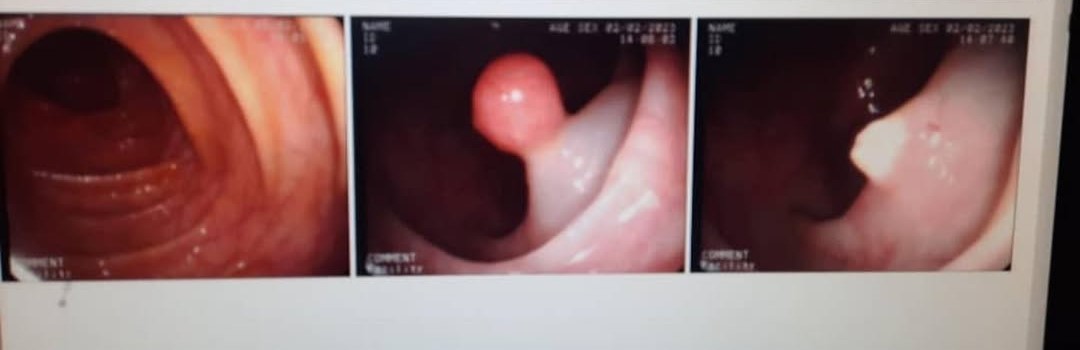
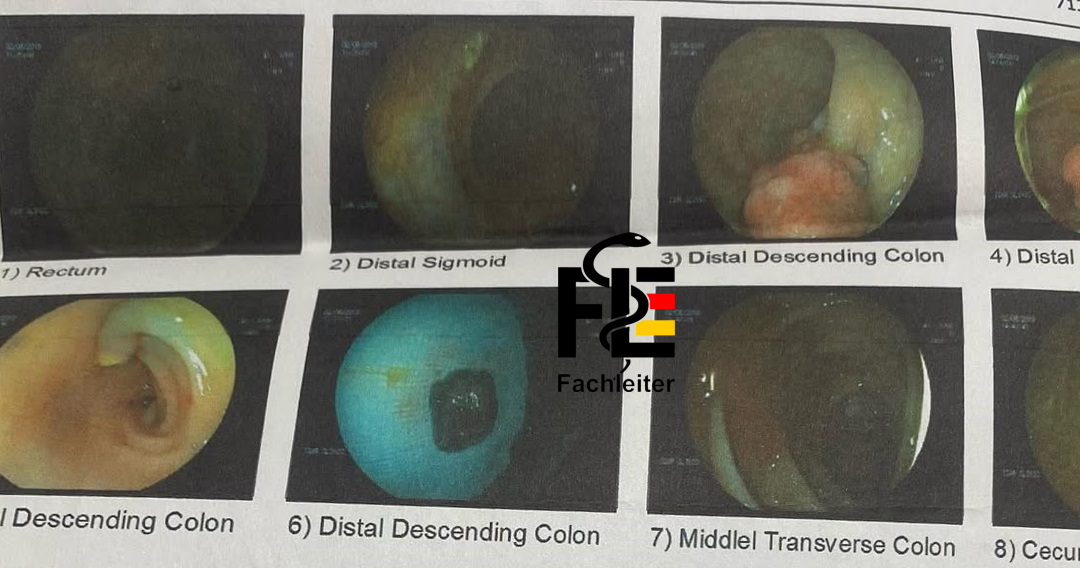
Colonoscopy is the method of choice in patients with occult blood in the stool, unexplained iron deficiency anemia or clinical evidence of colorectal carcinoma.
Colonoscopy
Colonoscopy is an endoscopic examination of the entire large bowel — and, if necessary, the terminal ileum — using a flexible tube with an integrated camera that is inserted through the anus. The patient must perform thorough bowel cleansing (laxative solution) and be fasting on the day of the examination. The procedure usually lasts 20 to 45 minutes and is mostly performed under sedation. The mucosa can be assessed, tissue samples (biopsies) taken and, if necessary, therapeutic measures such as polypectomy or hemostasis can be performed. Possible, though rare, complications include bleeding, mucosal injury or, in very rare cases, perforation.
Colonoscopy is usually performed promptly after stabilizing the patient and adequate preparation, but not necessarily immediately in the acute phase.
For colonoscopy you must completely empty your bowels. The day before you may only drink clear fluids and must not eat solid food. You will also take a laxative solution that cleanses the bowel completely. On the day of the examination you remain fasting. If you are taking certain medications, such as anticoagulants, we will discuss together whether and when you should pause them.
Imaging procedures
Computed tomography (CT) of the chest, abdomen and pelvis
Computed tomography (CT) is an imaging technique that uses X-rays to create detailed cross-sectional images of internal organs. The patient is moved into a tubular scanner and must lie still during the examination. Sometimes contrast medium is administered to allow more precise visualization. The procedure is painless and takes only a few minutes. Before a contrast-enhanced study it is important that you drink plenty of fluids. Certain medications such as metformin should be paused beforehand. In rare cases an allergic reaction to the contrast agent can occur (but do not worry: we are prepared and have all necessary medications and measures on site).
CT is performed in colon cancer to assess the extent of disease, reveal enlarged lymph nodes and organ involvement, and determine the stage precisely.
virtual colonoscopy
CT colonography (CTC), also called virtual colonoscopy (VC), uses a spiral CT scan to generate a two- or three-dimensional virtual image of the colon. Sedation is not required for CTC. Similar to optical colonoscopy, bowel preparation is necessary, for example with laxatives or by ingesting an iodine-containing contrast agent with meals within the 48 hours before the examination.
Ultrasound
Ultrasound is typically used in colon cancer to assess liver metastases and to evaluate other abdominal organ findings.
Consultations
Gastroenterology, medical oncology/hematology and surgery
Treatment:
Surgery: The primary therapy for early, locally confined colon carcinomas is surgical resection. In rectal cancer preservation of sphincter function is the main priority.
Obstructing tumors: should be resected immediately and followed by bowel reanastomosis.
Right/left hemicolectomy → resection of the affected colonic segment with the corresponding mesocolon and lymphatic drainage area
Transverse colectomy → for involvement of the transverse colon
Sigmoid resection → for carcinomas in the sigmoid colon
Total/subtotal colectomy → for multiple lesions or hereditary syndromes (e.g. FAP)
Chemotherapy
Prognosis
The prognosis for colorectal carcinoma depends largely on the tumor stage. The 5-year survival rate is about 90–95% in stage I, but drops to below 10% in stage IV with distant metastases. Stages II and III are prognostically in between.
Risk factors for colorectal carcinoma
Family history
• Colorectal carcinoma (CRC)
• Hereditary syndromes (e.g., familial adenomatous polyposis [FAP])
Personal history
• Older age
• Male sex
• Preexisting colorectal polyps or CRC
• History of chronic inflammatory bowel disease
• Diabetes mellitus
Lifestyle
• Obesity
• High alcohol consumption
• Diet high in red meat and fat, low in fiber
|
Screening methods for colorectal carcinoma |
||
|
Test |
Interval |
|
|
Fecal occult blood test |
Guaiac-based fecal occult blood test |
Annually |
|
Fecal immunochemical test |
Annually |
|
|
Colonoscopy |
Every 10 years |
|
|
Flexible sigmoidoscopy |
Every 5 years |
|
|
CT colonography |
Every 5 years |
|
|
Double-contrast barium enema |
Every 5 years |
|
|
Screening starts at age 50 for persons at average risk. For high-risk patients it should begin at age 40 — or 10 years before the age at diagnosis of the youngest affected relative with colorectal carcinoma. |
||
|
Stage |
Location / spread |
Category |
Description |
|||
|
I |
Limited to mucosa / submucosa |
N (lymph nodes) |
||||
|
II |
Infiltration of the muscularis propria |
N0 |
No lymph node involvement |
|||
|
III |
Involvement of local lymph nodes |
N1 |
1–3 affected lymph nodes or Satellite foci in the pericolic/perirectal fat tissue |
|||
|
IV |
Distant metastases detectable |
N2 |
≥ 4 affected lymph nodes |
|||
|
M (distant metastases) |
||||||
|
M0 |
No distant metastases |
|||||
|
M1 |
Distant metastases present |
|||||
Prognosis
The prognosis of colon cancer depends largely on the tumor stage at diagnosis. If the tumor is detected early (stage I–II), the chances of cure are high, and the 5-year survival rate is often over 80–90%. With regional lymph node metastases (stage III) it decreases significantly, but improves with adjuvant chemotherapy. In metastatic stage IV the disease is no longer curable, but modern systemic therapies can extend survival and stabilize quality of life. Also decisive for prognosis are complete resection, degree of differentiation, molecular markers (e.g., RAS, BRAF) and the general condition of the patient.
Extra
Names:
Thomas Wachinger, Emma Hölzner, Erna Sommer, Berthold Kröger, Melissa Schwaiger, Robert Habeck, Mia Krena
Professions:
The patient works in a notions shop. (sewing supplies)
For half a year the patient has been unemployed. Previously he was employed at Rossmann; that branch has since been closed.
The patient previously worked as an engineer at BMW.
The patient works as a cook. (in his own)
The patient has been unemployed for a year; previously she worked in a drugstore.
The patient has been unemployed for 3 years; previously he worked in a bicycle shop.
Previous illnesses:
The patient had stiffness or movement restriction in the fourth and fifth finger; a surgical scar removal was performed for Dupuytren’s disease.
The patient reports known extrasystoles, psoriasis, and warts on the hand.
Hemorrhoids
Operation on the right clavicle with osteosynthesis using a metal plate, which was later removed.
Subtotal thyroidectomy > hyperthyroidism: L-thyroxine
The patient reports heartburn for 5 years. An esophagogastroduodenoscopy performed 2 years ago was unremarkable.
Two years ago the patient sustained a fracture of the right shoulder joint (articulatio humeri) due to a bicycle accident.
Familial:
Mother suffers from dementia
His father died of bowel cancer five years ago
His youngest son suffers from cystic fibrosis.
The older daughter recently gave birth; the younger daughter had a miscarriage.
His father suffered from esophageal varices due to alcoholic liver cirrhosis.
The son underwent surgery for a testicular tumor 8 years ago.
Allergy:
Novalgin allergy with rash and pruritus, additionally fructose intolerance.
Questions
1. Which diseases can be transmitted by ticks?
Lyme disease, TBE, less commonly ehrlichiosis or babesiosis.
2. What is carcinophobia?
A pathological fear of developing cancer.
3. What is the term for the fear of speaking in front of people or of spiders?
Fear of speaking in front of people = glossophobia; fear of spiders = arachnophobia.
4. Can Tavor (lorazepam) be taken during work or while driving?
No — due to its sedative effect and impairment of reaction ability it is contraindicated.
5. What risks are normally associated with overweight?
Metabolic syndrome, type 2 diabetes mellitus, arterial hypertension, dyslipidemia, arthrosis, cardiovascular diseases.
6. Which pollen allergies are known?
Most common: birch, alder, hazel (early bloomers), grasses and rye, mugwort.
7. How is a testicular carcinoma treated?
Standard therapy is surgical orchiectomy, possibly supplemented by chemotherapy or radiation depending on the stage.
8. What is needed to examine the oral cavity, and what is used to hold the tongue down?
To examine the oral cavity one generally needs a light source (e.g., headlamp or flashlight) and a wooden spatula with which the tongue is pressed down.
9. What is a health check and which diseases can be detected by it?
A health check is a preventive examination for early detection of diseases. It can detect, among others, cardiovascular diseases, diabetes mellitus, kidney or liver dysfunctions, and certain cancers.
10. Which cause is responsible for the development of esophageal varices?
Esophageal varices usually arise from increased pressure in the portal venous system, i.e., portal hypertension. The most common cause is liver cirrhosis, usually due to chronic alcohol abuse or hepatitis.
Notes
BMI
Body mass index (BMI)
The body mass index is a simple measure for classifying body weight. It is calculated as body weight in kilograms divided by the square of height in meters (kg/m²). The BMI serves as a rough estimate of underweight or overweight but does not take body composition (muscle vs. fat mass) or fat distribution into account.
paradoxical
With a colonic stenosis stool accumulates before the narrowing. Through bacterial decomposition it becomes partially liquefied and can pass the stenosis as thin stool. In addition, mucosal irritation promotes fluid secretion. Because diarrhea occurs despite the outflow obstruction, this is referred to as paradoxical diarrhoea.
Tenesmus
Tenesmus
Tenesmus are tormenting, often painful and usually unsuccessful urges to defecate. Typical is the feeling of incomplete evacuation and repeated unsuccessful attempts. Inflammatory or rectal diseases that can lead to this symptomatology are often underlying causes.
Constipation
Constipation
Constipation refers to difficult or too infrequent bowel movements with hard or only incompletely evacuated stool. Accompanying symptoms can include straining, the feeling of incomplete evacuation and mechanical problems during defecation. Causes are varied and range from dietary and lifestyle factors through medications to functional or structural bowel disorders.
Diarrhoea
Diarrhoea
Diarrhoea describes an increase in stool frequency and/or stool liquidity (looser stool) compared with the individual’s normal state. Acute and chronic diarrhoea are distinguished; potential consequences are fluid and electrolyte losses. Causes can be infectious, inflammatory, secretory or malabsorptive processes.
Pallor
Pallor
Pallor describes an unusual lightening of the skin or mucous membranes. It can result from a reduced hemoglobin content in the blood (e.g., in anaemia) or from reduced perfusion and is not a specific sign, so further evaluation is necessary.
Dizziness
Dizziness
Dizziness refers to the subjective experience of balance disturbances or the sensation of spinning, swaying or lightheadedness. Vestibular rotational dizziness phenomena, unsteadiness when walking and presyncopal lightheadedness are distinguished.
Causes are varied and range from inner ear disorders through neurological diseases to circulatory problems; a drop in blood pressure when standing up (orthostatic hypotension) is a possible and common cause of dizziness on changing position.
Dyspnoea
Dyspnoea
Dyspnoea is the subjective perception of shortness of breath or difficult breathing. It can occur with physical exertion or at rest and vary in intensity and character.
Fatigue
Fatigue
Fatigue denotes persistent, often functionally limiting exhaustion or tiredness that cannot be remedied by rest alone. It differs from normal sleepiness or transient tiredness.
Common associations are chronic diseases, psychological stress and systemic causes such as anaemia, which can contribute to generalized tiredness.
Hematochezia
Hematochezia
Hematochezia denotes visible, fresh blood in the stool. It usually indicates a bleeding source in the lower gastrointestinal tract, for example in the colon or rectum.
In exceptional cases very heavy bleeding from the upper gastrointestinal tract can also cause fresh red blood in the stool, but hematochezia usually points to a distal bleeding source.
Pyrexia
Pyrexia
Pyrexia is the medical term for fever, i.e. an increase in the body’s temperature due to a reset of the set point by pyrogenic influences. Fever is a common sign in infections, inflammations, certain tumors or as a reaction to medications.
nocturnal hyperhidrosis
Nocturnal hyperhidrosis
Nocturnal hyperhidrosis denotes excessive sweating during sleep that leads to soaked clothing or bedding. It must be distinguished from normal night sweating, which can be caused by ambient temperature or sleep rhythms.
Nausea
Nausea (nausea)
Nausea denotes the subjective feeling of discomfort in the upper abdomen or throat with a marked urge to vomit. It is a symptom, not a finding, and can have many causes, such as gastrointestinal diseases, vestibular disorders, drug effects, metabolic disturbances or pregnancy. Nausea often precedes actual emesis and can lead to appetite reduction and, with persistent symptoms, secondary problems such as fluid loss.
Haematemesis
Haematemesis (bloody vomiting)
Haematemesis denotes the vomiting of blood or blood-containing material and indicates a bleeding source in the upper gastrointestinal tract. The vomit may appear freshly bloody or dark/”coffee-ground” depending on the dwell time and decomposition of the blood in the stomach. Haematemesis usually requires prompt diagnostic evaluation as it can be a sign of a clinically significant gastrointestinal bleed.
pathological findings or coatings
Pathological mucosal changes or coatings can indicate an inflammatory bowel disease (IBD) such as Crohn’s disease or ulcerative colitis, but they are not specific for these conditions.
Melena
Melena (tarry stool)
Melena denotes black, tar-like stool material that is produced by the breakdown and oxidation of blood in the upper gastrointestinal tract. The dark color results from chemical changes to the blood during passage through the stomach and small intestine. Melena often indicates a bleeding source proximal to the colon and is a clinically relevant sign that requires further evaluation.
Haemorrhoids or anal fissures
Haemorrhoids and anal fissures
Haemorrhoids are enlarged vascular cushions in the anal area that can cause bleeding, itching or a slight foreign-body sensation. Anal fissures are painful tears in the anal mucosa, typically with bright red blood on the stool or during defecation. Common causes include mechanical strain from severe straining with constipation or recurrent diarrhoea; other triggers can be pregnancy, increased venous pressure or inflammatory diseases.
Jaundice or pruritus
Jaundice and pruritus
Jaundice refers to the yellowing of the skin and sclera due to elevated bilirubin levels. Pruritus is generalized or localized itching. Both symptoms are nonspecific but important clinical signs that can indicate liver dysfunction, impaired bile flow (cholestatic processes), biliary obstruction or, more rarely, increased bilirubin production states (e.g., hemolytic). The occurrence of jaundice or pronounced pruritus justifies further diagnostic evaluation to differentiate hepatocellular, cholestatic or extrahepatic causes.
Antibiotic use
Antibiotic use
Antibiotic use refers to the administration of antimicrobial drugs. Recent or repeated use can alter the gut flora and thereby increase the risk of antibiotic-associated complications. Clinically relevant is in particular the increased risk of Clostridioides-difficile-associated diarrhoeal disease or pseudomembranous colitis after systemic antibiotic therapy.
Insomnia
Insomnia
Insomnia denotes persistent difficulties falling asleep, staying asleep or unrefreshing sleep quality with resulting daytime impairment. Common triggers are psychological stress, burdensome life circumstances, psychiatric disorders, medical problems or disturbances of the sleep–wake rhythm. Chronic sleep disorders often have negative effects on mood, performance and somatic health and should be diagnostically and therapeutically evaluated.
Frontal sinusitis
Frontal sinusitis
Frontal sinusitis is an inflammation of the frontal sinuses, one of the paranasal sinuses. Causes can be viral or bacterial infections, allergic reactions or anatomical obstacles. Typical complaints are pressure or pain in the forehead area, increased nasal discharge or nasal obstruction and occasionally fever. With bacterial involvement purulent secretions may occur; complications with spread to adjacent regions are rare. Therapeutic principles include measures to promote drainage and decongestion as well as symptomatic treatment; if bacterial infection is proven, antibiotic therapy may be required.
Coxarthrosis
Coxarthrosis
Coxarthrosis refers to the degenerative change of the hip joint with progressive cartilage loss and joint functional impairment. Risk factors are older age, overweight, malalignment, repetitive overloading and prior injuries. Clinical signs are load-dependent pain in the groin, buttock or thigh, morning stiffness and restricted mobility. Treatment in early stages aims at conservative measures such as physiotherapy, weight reduction, aids and analgesic medication oriented to symptoms; with advanced joint destruction, endoprosthetic replacement may become necessary.
Claustrophobia
Claustrophobia
Claustrophobia is the specific fear of narrow or enclosed spaces that can lead to avoidance behavior and subsequently to marked distress or panic attacks. Triggers are situations with restricted freedom of movement or anticipated difficulty leaving the space. Effective treatment approaches include psychotherapeutic methods with exposure and cognitive restructuring; additionally, behavioral techniques for anxiety management can be used, and if needed short-term pharmacological support for symptom relief.
Panic attacks
Definition:
A panic attack is a sudden episode of very intense fear or great agitation, accompanied by physical symptoms such as palpitations, breathing difficulties, dizziness, trembling or the feeling of losing control or dying.
Panic disorder:
Panic disorder is defined by recurrent, unexpected panic attacks; further diagnostic assessment typically includes persistent concern about additional attacks or marked behavioral changes (e.g., avoidance). A rigid requirement of six months as a prerequisite is not correct.
Causes:
The origin is usually multifactorial with genetic predisposition, stressful life events or traumatic experiences as well as neurobiological factors.
Treatment:
Psychotherapeutic methods, especially cognitive behavioral therapy with exposure components, are considered first-line. For pharmacological long-term treatment selective serotonin reuptake inhibitors (SSRIs) are used. Short-term benzodiazepines can be used for acute symptom relief but are not recommended for long-term therapy because of dependence and sedation risks. Beta blockers can reduce certain physical symptoms but are not a primary long-term treatment for panic disorders. Complementary relaxation and breathing techniques can be helpful.
Lyme borreliosis
Pathogen and transmission:
Lyme borreliosis is caused by Borrelia bacteria transmitted to humans by the bite of certain tick species.
Clinical presentation:
Typical in the early stage is a lateral, expanding redness at the bite site (erythema migrans). Accompanying flu-like symptoms such as fever, fatigue and joint pain may occur. In later stages neurological findings, cardiac involvement, or recurrent joint inflammations are possible.
Diagnostics:
With a typical erythema migrans presentation the diagnosis is often clinical; serological tests (for example ELISA as screening with confirmatory tests) are used for further evaluation but can be negative in very early stages.
Therapy:
Treatment is with appropriate antibiotics; the choice depends on the stage and manifestation of the disease.
Ski accident
Definition:
A ski accident denotes an injury sustained while skiing or snowboarding caused by a fall or collision.
Typical injuries and consequences:
Commonly affected are the knee (e.g., cruciate ligament injuries), shoulder and clavicle, head injuries and fractures of the upper and lower extremities.
Acute measures and care:
Emergency care includes securing the scene, pain relief, immobilization and, if indicated, imaging diagnostics. Further treatment can be conservative with immobilization and physiotherapy or surgical depending on the type and severity of the injury.
Acromioclavicular joint
Anatomy and function:
The acromioclavicular joint is the connection between the lateral end of the clavicle and the acromion of the scapula. It contributes to the movement and stability of the shoulder girdle.
Clinical relevance:
The joint can be injured by direct falls onto the shoulder or by traumatic forces; typical findings are pain over the joint and a visible deformity in severe ligament injuries.
Treatment:
Minor injuries are usually treated conservatively with immobilization, analgesia and physiotherapy; in pronounced ligament ruptures or persistent complaints surgical measures may be indicated.
Strabismus
Definition:
Strabismus denotes a misalignment of the visual axes in which the gaze directions of the two eyes are not parallel.
Causes and significance:
Causes can include congenital muscle imbalances, differing refractive errors, neurological disorders or acquired diseases. In children untreated strabismus can lead to the visual impairment amblyopia; in adults double vision is possible.
Diagnostics and therapy:
Evaluation includes orthoptic examination and, if necessary, refraction testing. Treatment options are corrective glasses, occlusion therapy (patching the dominant eye), prismatic lenses and, if indicated, surgical interventions to correct the extraocular muscles. Early treatment is important to avoid permanent visual impairment.
Valsartan
Group: Angiotensin II receptor blockers (ARB).
Mechanism of action: Blocks AT1 receptors for angiotensin II and thereby inhibits the vasoconstrictive and aldosterone-mediated effects of this hormone, leading to blood pressure reduction and cardiac unloading. Angiotensin II is formed in the RAAS by conversion of angiotensinogen (liver) involving renin (kidney) and ACE; it is not primarily “produced” in the kidney.
Indications: Mainly arterial hypertension and heart failure; also after myocardial infarction and in certain kidney diseases depending on clinical assessment.
Important risks and side effects: Blood pressure drop with dizziness, worsening renal function, increased potassium (hyperkalaemia), rare angioedema. Cough is much less common with ARBs than with ACE inhibitors. Caution is advised with concurrent use of potassium-sparing substances or in impaired renal function.
Valerian
Name and use: Valerian (Valeriana officinalis) is a herbal preparation traditionally used to treat mild sleep disorders and nervous restlessness.
Effects and evidence: Clinical studies show heterogeneous results; some investigations report slight effects on time to fall asleep or sleep quality, but the data are not consistently clear and efficacy is considered limited.
Safety and interactions: Common side effects are gastrointestinal complaints, headache or daytime drowsiness. Combination with other central nervous depressants (e.g., benzodiazepines, alcohol) can increase sedation. Valerian preparations are over-the-counter in many countries.
Pack-years
Definition and calculation: Pack-years describe cumulative tobacco exposure. Formula: (Number of cigarettes smoked daily ÷ 20) × Number of smoking years.
Calculation example for context: For the given consumption pattern the cumulative exposure is 16.25 pack-years.
Testicular torsion
Definition: Acute rotation of the testis around the spermatic cord with resulting disturbance of venous and possibly arterial blood flow.
Clinical presentation: Typical is a sudden onset of very severe unilateral scrotal pain, often accompanied by swelling and a high-riding testis; nausea and vomiting may occur. Occurrence is common in adolescence.
Diagnostics: The suspected diagnosis is primarily clinical. Color Doppler sonography can assess perfusion and support the diagnosis.
Therapy: In suspicion a rapid surgical intervention is required; the goal is detorsion of the testis and fixation of both testes (orchidopexy). If tissue changes are no longer reversible, removal of the affected testis is necessary.
Multiple sclerosis
Definition: Inflammatory demyelinating disease of the central nervous system with variable relapsing and/or progressive course.
Clinical features: Common symptoms are visual disturbances (e.g., optic neuritis), sensory deficits, pareses, coordination disorders and bladder or sexual dysfunctions.
Diagnostics: Key findings come from MRI of the brain and spinal cord as well as cerebrospinal fluid; clinical course observation and established diagnostic criteria are used to secure the diagnosis.
Therapy: Acute relapse therapies are used in the short term; long-term disease-modifying immunotherapies are an option; symptomatic and rehabilitative measures are applied additionally.
Colonic polyps
Definition: Colonic polyps are localized protrusions of the mucosa in the large intestine that can have various histological types.
Clinical aspects: Many polyps cause no symptoms; possible complaints are rectal bleeding, altered bowel habits or nonspecific abdominal discomfort.
Risk and course: Some polyps can undergo malignant transformation over time; the risk depends on histological type, size and number.
Therapy and prevention: The usual measure is endoscopic removal during colonoscopy with histological processing for risk assessment; early removal reduces the risk of malignant transformation.
Colorectal carcinoma
Definition: Colorectal carcinoma denotes malignant tumors of the colon and rectum that are predominantly of glandular origin.
Histology: The majority of colorectal tumors are adenocarcinomas arising from the glandular epithelium of the mucosa.
Clinical and prognostic subtypes: There are various histological subtypes with different behavior; some, such as medullary carcinoma with dense lymphocytic infiltration, may show a comparatively more favorable prognosis, whereas signet-ring cell carcinomas often run more aggressively.
Risk factors: Known risk factors include older age, certain dietary habits, genetic predispositions including familial polyposis syndromes, and other acquired influences.
Prevention/management: Early detection by screening and endoscopic evaluation as well as histological assessment of polyps are central measures to reduce disease risk and mortality.
Adhesions
Definition: Adhesions are fibrous scar tissue connections that abnormally join different internal surfaces and organs.
Causes and significance: They often arise after surgical procedures but also as a result of inflammation or trauma. Adhesions can contribute to chronic pain, mechanical bowel obstruction, or infertility in women.
Clinical relevance: In the diagnostic workup of abdominal symptoms, prior abdominal surgery is an important clue to possible adhesions as a differential diagnosis.
Irritable bowel syndrome
Definition and classification
Irritable bowel syndrome is a functional disorder of the gut in which no structural or inflammatory cause is found. Clinically, recurrent abdominal pain predominates and may be associated with changes in bowel habit (predominantly diarrhea, constipation, or alternating stool consistency).
Key feature and differentiation
Typical is the absence of “alarm” findings such as persistent weight loss, bloody stools (hematochezia), or a progressive course; the occurrence of such signs increases the likelihood of an organic disease and justifies further diagnostics.
Treatment focus
Therapeutically, lifestyle measures are paramount, including targeted dietary adjustments and stress management techniques. Pharmacologic or other interventional measures are directed by the predominant symptoms and the clinical course.
Heart rate
Term and significance
Heart rate denotes the number of heartbeats per minute and is a fundamental vital parameter.
Measurement and influencing factors
It is recorded at rest or during exertion; age, physical activity, medications, temperature, and stress influence the rate. Deviations from the expected resting heart rate can indicate cardiovascular or systemic disorders and may require further evaluation.
Blood pressure
Term and measurement principle
Blood pressure indicates the pressure that circulating blood exerts on the vessel walls and is described by systolic and diastolic values.
Procedure of measurement
For measurement, an inflatable cuff and a measuring device are usually used; the cuff generates a pressure with which the arterial pressure values are determined. Correct cuff application technique and selection of cuff size are important for meaningful results.
Respiratory rate
Term and clinical significance
Respiratory rate is the number of breaths per minute and a basic vital parameter for assessing respiratory function.
Measurement and influencing factors
It is counted at rest and can be altered by pain, fever, pulmonary or metabolic disorders, as well as emotional stress. Deviations from the expected respiratory rate indicate respiratory or systemic problems and should be assessed in the clinical context.
Oxygen saturation
Term and measurement methods
Oxygen saturation describes the proportion of hemoglobin bound to oxygen relative to total hemoglobin in the blood and is often measured noninvasively by pulse oximetry.
Importance and clinical relevance
The measurement provides a quick assessment of the body’s oxygenation; reduced values can indicate impaired pulmonary gas exchange or circulatory problems and may require further investigations.
Temperature
Term and measurement sites
Body temperature is a vital parameter that reflects the body’s heat balance. It can be measured at various sites such as rectally, orally, or in the axilla, with the measurement site affecting the measured values.
digital rectal examination
Digital rectal examination
Purpose: Clinical palpation of the distal rectum and anal canal to assess palpable findings, bleeding, or locally limited changes.
Procedure: A gloved and lubricated finger is gently introduced into the rectum. The examination is brief and serves to palpate mucosa, rectal wall and, in men additionally, the prostate.
Findings and indications: Detected findings can include tumors, indurations, bleeding sources or palpable sphincter changes. The examination can be uncomfortable and may provoke pain with inflammatory or painful lesions; minimal bleeding is occasionally possible.
Peutz-Jeghers
Peutz-Jeghers syndrome
Definition: Hereditary syndrome characterized by multiple hamartomatous polyps in the gastrointestinal tract and characteristic pigmented macules on the lips and face.
Clinical presentation: Typical are pigmented spots on perioral skin and mucosal areas as well as gastrointestinal polyps that can lead to bleeding or intussusception.
Genetics and risk: Usually inherited in an autosomal dominant manner (common cause: STK11/LKB1 mutation). Affected individuals have an increased risk for various tumors in the gastrointestinal tract and other organs.
Gardner syndrome
Gardner syndrome
Definition: A form of familial adenomatous polyposis that, in addition to numerous colorectal adenomas, shows pronounced extraintestinal manifestations.
Clinical features: Multiple colorectal polyps with high carcinogenic potential, bony osteomas (commonly skull, jaw), epidermal cysts and soft tissue tumors such as desmoids.
Genetics and prognosis: Usually autosomal dominant due to mutations in the APC gene. Without preventive interventions there is a very high risk of developing colorectal carcinoma.
complete blood count
To rule out anemia a blood count is determined. For a hemoglobin value below 7 g/dl a transfusion of packed red blood cells should be considered. The decision also depends on symptoms, hemodynamic status and comorbidities. Prior to transfusion the ABO blood group and the rhesus factor (Rh) are determined as well as an antibody screen and a crossmatch. Immediately before the transfusion a bedside test is performed on the patient.
Renal function parameters
Renal function parameters
Definition and purpose: Laboratory chemical measurements to assess renal performance and renal excretory function.
Typical parameters: Common measurements are serum creatinine and blood urea (urea); the estimated glomerular filtration rate (eGFR) is usually calculated from the creatinine value. Complementary tests can include electrolyte values and urine analyses.
Significance: Changes in these values provide clues to acute or chronic renal dysfunction and serve for monitoring the course.
Electrolytes
Electrolytes
Significance: Electrolytes are central ions (e.g., sodium, potassium, chloride) important for water balance, acid-base balance and cellular functions.
Typical disturbances with fluid losses:
– Vomiting: can lead to potassium losses and a hypochloremic metabolic alkalosis with accompanying hypokalemia.
– Diarrhea: can lead to volume loss, hyponatremia and hypokalemia as well as frequently to a metabolic acidosis.
Clinical relevance note: With significant gastrointestinal losses of fluid or gastric contents, electrolyte measurements are indicated for assessment and monitoring.
ALT
Alanine aminotransferase (ALT)
Definition and function: ALT is an enzyme involved in amino acid metabolism and catalyzes transfer of an amino group.
Occurrence and clinical significance: It is mainly present in liver cells and is detectable in increased amounts in the blood after release from damaged hepatocytes. Measurements are used to assess hepatocellular injury but are not sufficient alone for differential diagnosis.
AST
Aspartate aminotransferase (AST)
Definition and function: AST is an enzyme of amino acid conversion involved in transamination reactions.
Occurrence and clinical significance: It is present in the liver but also in heart muscle, skeletal muscle and other tissues. Elevated serum values indicate cell death or tissue damage, with AST not being liver-specific and rising in injuries of other organs.
GGT
Gamma-glutamyltransferase (GGT)
Definition and function: GGT is an enzyme involved in glutathione metabolism and contributes to the amino acid transport function of the cell membrane.
Occurrence and clinical significance: It is found in liver cells and in the epithelial cells of the bile ducts. Laboratory elevations commonly occur in cholestatic liver diseases or with enzyme induction (e.g., by alcohol or certain medications) and support the assessment of liver and biliary diseases.
Pancreatic enzymes
Pancreatic enzymes
Overview and functions: The exocrine enzymes of the pancreas include amylase, lipase, and proteolytic enzymes such as trypsin and chymotrypsin.
Action: Amylase catalyzes the breakdown of starch and related carbohydrates; lipase promotes the cleavage of dietary fats; trypsin and chymotrypsin are proteases that cleave peptide bonds in protein molecules.
C-reactive protein
C-reactive protein (CRP)
Definition and function: CRP is an acute-phase protein produced in the liver in response to inflammatory stimuli and tissue damage.
Clinical significance: Serum measurement is used to monitor the presence and course of inflammatory processes. CRP provides information about the activity and dynamics of an inflammation but is not a specific indicator of the cause.
CEA
CEA (carcinoembryonic antigen)
Definition: CEA is a tumor marker that plays a role in fetal development and can reappear at increased levels in adulthood with certain tumors.
Clinical significance: Elevated blood levels are found in some solid tumors (particularly colorectal neoplasms) but are not sufficiently sensitive or specific for screening purposes. The marker is mainly used for monitoring and follow-up, not as a sole diagnostic test.
CA 19-9
Definition
CA 19-9 is a carbohydrate antigen measurable in blood and can be associated with certain epithelial tumors.
Clinical use
The marker is mainly used for monitoring disease course and therapy of tumors, particularly pancreatic and biliary diseases. It is not suitable as a stand-alone screening test.
Limitations
Sensitivity and specificity are limited. Elevated CA 19-9 levels can also occur in other solid tumors as well as in various benign conditions (e.g., cholestatic states, pancreatitis, liver diseases). Therefore, laboratory values must always be interpreted in the clinical context and together with imaging findings.
PatientSalutation: Mr./Ms. Senior Physician ……….., I would like to present to you the patient Ludwig Jäger. |
Date31/08/2025 |
| Age57 years | Weight85 kg | Height176 cm |
Allergies (keywords)
Amoxicillin → Abdominal pain, diarrhea
Fish → Pruritus, rash
Substance use / drugs (keywords)
Smoker for 5 years, currently about 5 cigarettes/day (total ~17.5 pack-years)
Previously 15 years 1 pack/day
Alcohol: for 2 years about 2 glasses of beer daily
No drugs
Social history (keywords)
Occupation: librarian
Currently in divorce proceedings (finalized in about 3 months)
Lives with his 25-year-old son in an apartment
Family history (keywords)
Father (82 y.): multiple colon polyps (diagnosed at age 45)
Mother (80 y.): diabetes mellitus, insulin therapy, left lower-leg amputation, suspected long-COVID
Son (25 y.): testicular torsion (surgically treated), multiple sclerosis
Medications (keywords)
Valsartan 80 mg 1-0-0
Ibuprofen 400 mg as needed
Lorazepam (Tavor) 0.5 mg as needed
Valerian 300 mg (OTC, no effect)
History (full sentences)
The patient presents with paradoxical diarrhea for about five months and abdominal pain in the form of tenesmus.
According to him, the complaints have progressively worsened in the last two months.
He reports variable stools with alternating constipation and diarrhea, sometimes pencil-thin stools and a feeling of incomplete evacuation. The alternation between diarrhea and constipation phases occurs every two to four days. During diarrhea phases the patient reports multiple, mostly minor, mushy bowel movements.
He stated that he first noticed blood in the toilet bowl about two months ago.
He describes the bleeding such that sometimes only a small streak of blood is seen on the stool, while on other days significantly more blood, partly mixed with mucus, occurs.
The following accompanying symptoms are present:
Pallor, dizziness, exertional dyspnea, fatigue and hematochezia.
No pyrexia, night sweats, nausea, emesis, hematemesis, melena, dysphagia, jaundice, pruritus, hemorrhoids or anal fissures.
No recent travel abroad or antibiotic intake.
In the review of systems there was an unintended weight loss of 2 kg within the last four weeks and stress-related insomnia with difficulty falling asleep.
Past medical history: arterial hypertension (for 7 years, well controlled), bilateral coxarthrosis (physiotherapy, ibuprofen as needed), claustrophobia with panic attacks, Lyme disease (5 years ago), conservatively treated fracture of the left acromioclavicular joint (1 year ago), frontal sinusitis (3 months ago).
Prior surgery: strabismus right (at age 6).
Suspected diagnosis – differential diagnosis (full sentences)
Due to progressive paradoxical diarrhea, hematochezia and the risk constellation, there is suspicion of a colorectal carcinoma. Differential diagnoses include chronic inflammatory bowel disease and diverticulitis.
Further approach – therapy (full sentences)
Inpatient admission
Fluid balance
Digital rectal examination
Colonoscopy with biopsy sampling for histological confirmation
Laboratory
Abdominal ultrasound
Abdominal CT
Symptomatic treatment of the complaints
Referral to a gastroenterology specialty clinic
Signature
First name Last name
Kind regards
1. Age
2. BMI
3. Main complaint
1. Older than 50 years.
2. Usually overweight.
3. Progressive paradoxical diarrhea for several months accompanied by tenesmus.
4. Accompanying symptoms
Variable stool with alternating constipation and diarrhea, sometimes pencil-thin stools, feeling of incomplete evacuation, stool frequency: variable
Pallor, dizziness, hematochezia, exertional dyspnea, fatigue, weight loss in recent weeks
5. Important negatives
6. Risk factors
5. Pyrexia, night sweats, nausea, emesis, hematemesis, melena, jaundice, pruritus, hemorrhoids, anal fissures, recent travel abroad/antibiotic intake
6. Age, high-fat diet and high consumption of red meat, hereditary polyposis syndromes, familial adenomatous polyposis, Gardner syndrome, chronic inflammatory bowel diseases
7. Physical examination
7. Vital signs
Signs of dehydration / anemia (pallor) or cachexia
Signs of perforation → peritonitis → guarding
Signs of obstruction → hyperactive bowel sounds
Digital rectal examination
8. Differential diagnoses
8. Colorectal carcinoma
Chronic inflammatory bowel diseases (IBD): episodic, possibly with extraintestinal or perianal manifestations
Adhesions: after prior abdominal surgical procedures
Irritable bowel syndrome: without hematochezia or weight loss
9. Location
9. Location:
Proximal colon: iron deficiency anemia due to occult blood loss
Distal colon: change in bowel habits (constipation/diarrhea), hematochezia
Rectum: change in stool caliber, rectal bleeding, rectal pain
10. Laboratory
10. complete blood count, iron studies, renal function parameters, electrolytes, liver tests (ALT, AST, GGT, ALP, bilirubin), pancreatic enzymes and C-reactive protein
CEA and CA 19-9, insensitive/ may be elevated in other solid tumors, for monitoring disease course and therapy
11. Further management
11. Method of choice: colonoscopy
Colonoscopy: bowel cleansing before the exam, inspection of the mucosa, biopsies and e.g. polypectomy or control of bleeding
Computed tomography (CT) of the chest, abdomen and pelvis: assessment of disease spread (staging)
Ultrasound: detection of liver metastases
12. Pathobiology
12.
About three quarters of colorectal cancers arise in the proximal colon. Adenocarcinomas account for more than 90% of colorectal cancers. Colorectal adenocarcinomas arise from the columnar glandular epithelium of the mucosa.
The medullary carcinoma subtype: favorable prognosis.
The signet-ring cell carcinoma: unfavorable prognosis
13. Therapy
13. Surgery:
surgical resection + preservation of sphincter function
Hemicolectomy
Transverse colectomy
Sigmoid resection
Total/subtotal colectomy
Chemotherapy
14. Prognosis
14. Prognosis in colorectal cancer depends largely on tumor stage. The 5-year survival rate is about 90–95% in stage I, but drops to below 10% in stage IV with distant metastases. Stages II and III have intermediate prognoses.
15. Now imagine: How would you typically report on a colon carcinoma?
15. The patient presented with paradoxical diarrhea for about five months, which has recently progressively worsened. Accompanying symptoms include tenesmus, alternating bowel movements with constipation and diarrhea, sometimes pencil-thin stools and incomplete evacuation. He also reports weight loss, pallor, dizziness, hematochezia, exertional dyspnea and fatigue.
Common term:
1. abdominal pain
2. painful urge to defecate
3. constipation
4. bowel movement
5. fresh blood in the stool
6. shortness of breath, breathlessness
7. tiredness, exhaustion
8. fever
Technical term:
1. abdominal pain
2. tenesmus
3. obstipation
4. defecation
5. hematochezia
6. dyspnea
7. fatigue
8. pyrexia
Common term:
9. night sweats
10. nausea
11. vomiting
12. vomiting blood
13. black, tarry stool
14. mucous membrane
15. difficulty swallowing
16. enlarged vascular cushions at the anus
Technical term:
9. nocturnal hyperhidrosis
10. nausea
11. emesis
12. hematemesis
13. melena
14. mucosa
15. dysphagia
16. hemorrhoids
Common term:
17. small tears in the anal skin
18. jaundice (yellow skin and eyes)
19. itching
20. colonoscopy
21. surgical procedure for partial or complete removal of the colon
Technical term:
17. anal fissures
18. icterus
19. pruritus
20. colonoscopy
21. colectomy
fachleiterinfo@gmail.com
instagram.com/fachleiterinfo
fachleiterinfo@gmail.com
instagram.com/fachleiterinfo
To run an AI simulation, download the PDF with the prompt, then upload it to an AI application such as ChatGPT.
Page 1 · 1–20 / 85
DOCTOR: Good day,
My name is Doctor Habeck.
Today I am working as the junior doctor on the ward.
I would like to conduct an anamnesis interview with you.
If you don’t understand something or have questions, please let me know.
First I need some personal information, then we can continue.
What is your name?
PATIENT: My name is Ludwig Jäger.
DOCTOR: Could you please spell your first and last name slowly?
PATIENT: Of course,
my first name: L, U, D, W, I, G
my last name: J, Ä, G, E, R
DOCTOR: How old are you, Mr. Jäger?
PATIENT: I am fifty-seven years old.
DOCTOR: When exactly were you born?
PATIENT: I had my birthday the day before yesterday.
DOCTOR: Ah, belated happy birthday!
So your birthday is on January seventeenth, 1968.
PATIENT: That’s right, doctor
DOCTOR: How tall are you?
PATIENT: I am one seventy-six tall.
DOCTOR: How much do you weigh?
PATIENT: I weigh about eighty-five kilos.
DOCTOR: What is the name of your GP?
PATIENT: My GP is Doctor Karla Scholz.
DOCTOR: What brings you to us today?
PATIENT: My neighbor said I looked pale.
That’s why he brought me here.
But that is actually not my main problem.
My real problem is that I’ve had constipation for a few months – and strangely it sometimes alternates with diarrhea.
DOCTOR: Since when have you had bowel problems?
PATIENT: For about five months.
Back then the symptoms started slowly – but in the last two months they have become significantly worse.
DOCTOR: Could you describe your symptoms in more detail, please?
What do you mean exactly by constipation and diarrhea?
PATIENT: Yes, my bowel movements have changed.
Sometimes they are thinner than before, sometimes even as thin as a pencil.
Also I have alternating diarrhea and constipation.
I often have the feeling that the bowel does not empty properly.
And sometimes I also see blood or mucus in the stool. And the stool is rather mushy.
DOCTOR: When did you first notice blood in the stool?
PATIENT: The first time I saw it was in the toilet bowl – it was mucous-bloody, and that was about four months ago.
DOCTOR: Has the stool ever been black or tarry?
PATIENT: No, the stool was never black or tarry.
Mostly it is rather normal brown, but sometimes I see bright red blood or some mucus with it.
DOCTOR: How often do you suffer from constipation or diarrhea?
PATIENT: That varies a lot. Usually it changes every few days. Sometimes I only go to the toilet every two to four days, and in between I then repeatedly get diarrhea – sometimes even three to four times a day, often only in small amounts.
DOCTOR: How much blood is there?
PATIENT: That varies. Sometimes it is just a very small streak on the stool, and sometimes there is significantly more blood, mixed with mucus.
DOCTOR: What does the blood in the stool look like?
PATIENT: It is bright red.
DOCTOR: Do you also have pain?
PATIENT: Yes, the pain is in the lower abdomen, so below the navel.
They come in waves, go away again and then occur again.
DOCTOR: How long do the pains usually last?
PATIENT: The pains usually last a few minutes and then recur in episodes.
DOCTOR: Do the pains radiate anywhere?
PATIENT: No, not that.
DOCTOR: How would you rate your pain on a scale from 1 to 10 — once at rest and once during bowel movements, where 1 is mild and 10 is unbearable pain?
PATIENT: At rest about a 2, but during bowel movements it rises to roughly 7 or 8.
DOCTOR: Is there anything that influences the pain, making it better or worse?
For example bowel movements, eating, or a certain body position?
PATIENT: Yes, the pain is strongest before the bowel movement.
After that it usually becomes somewhat better.
But eating has nothing to do with the pain.
Page 2 · 21–40 / 85
DOCTOR: Have you ever had such complaints before?
PATIENT: No, this is new to me.
But you know, Doctor, my father had several polyps.
They were removed because the doctor said they could become malignant.
Back then he also more often had blood in his stool and sometimes abdominal pain.
And now I’m afraid it might be the same for me.
DOCTOR: I understand your concern.
The development of a disease often involves many factors — for example genes, diet, lifestyle and others.
At the same time we should continue the conversation thoroughly to obtain all important information.
Afterwards we will carry out the necessary examinations, and then we can make a more precise diagnosis.
DOCTOR: Have you tried anything for it?
PATIENT: I tried herbal tea, but unfortunately that didn’t help.
DOCTOR: Have you ever taken part in colorectal cancer screening, for example a stool test for hidden blood or a colonoscopy?
PATIENT: No, not yet.
DOCTOR: Have you consulted a doctor about the complaints so far?
PATIENT: No, honestly I hoped it would get better on its own.
And you know how it is with appointments at the moment — it’s hard to get an appointment.
DOCTOR: Have you noticed any difficulty or pain when swallowing or chewing?
PATIENT: No, I don’t have any problems with that.
DOCTOR: Have you noticed anything unusual on your body, such as swellings, lumps or altered sensations — for example in the groin?
No, I haven’t noticed anything unusual
DOCTOR: Do you have shortness of breath, cough, dizziness or palpitations?
PATIENT: Only during physical exertion do I get short of breath.
And when I stand up suddenly, I get black spots in front of my eyes.
DOCTOR: Are you known to have any specific heart problems or anemia?
PATIENT: As far as I know, no.
DOCTOR: Do you have nausea?
PATIENT: No.
DOCTOR: Have you vomited?
PATIENT: So far I haven’t vomited anything.
DOCTOR: Have you noticed heartburn or a sour taste in your mouth?
PATIENT: No, I haven’t.
DOCTOR: Do you have pain or itching in the anal area?
PATIENT: No, I don’t have that.
DOCTOR: Have you noticed a yellowish discoloration of the skin or the whites of the eyes, or is your urine darker than usual?
PATIENT: No, I didn’t notice anything.
DOCTOR: Do you have itching all over your body?
PATIENT: No, I don’t have itching.
DOCTOR: Has your abdominal circumference increased recently — for example, are your trousers tighter than before?
PATIENT: No, I haven’t noticed that.
DOCTOR: How are you feeling?
PATIENT: For three weeks now I’ve been feeling really weak and tired.
DOCTOR: What foods have you eaten recently?
PATIENT: I haven’t eaten anything special — just my usual food.
DOCTOR: Do you have fever, night sweats, chills or sweating episodes?
PATIENT: Nothing.
DOCTOR: How is your appetite?
PATIENT: I have to force myself to eat.
DOCTOR: What is your diet like?
Vegan, vegetarian, or omnivore?
PATIENT: For years I ate rather unhealthily, a lot of red meat, little fruit and vegetables.
DOCTOR: Thank you for being so open about that.
Nutrition actually plays an important role in health.
It’s good that you’re aware of it — we can consider together how to gradually improve your eating habits.
PATIENT: Thank you for your support.
Page 3 · 41–60 / 85
DOCTOR: Have you unintentionally lost or gained weight recently?
How much and over what period?
PATIENT: Yes, I’ve unintentionally lost about two kilograms in the last four weeks.
DOCTOR: Do you have sleep problems?
PATIENT: Yes, it takes me about two hours to fall asleep.
I work in a library, and everything there is currently being digitized.
I don’t have a good relationship with that — it causes me a lot of stress.
I’m just not a digital person.
In addition, diarrhea and abdominal pain sometimes disturb my sleep.
DOCTOR: That sounds like an occupational burden.
Such situations occur frequently.
It is important that you remain calm and don’t worry too much.
Everyone makes mistakes sometimes — that’s completely normal.
What did you do about it?
PATIENT: I went to the pharmacy on my own and took Baldrian-Tabletten 300 to sleep.
DOCTOR: Did that help?
PATIENT: To be honest, sweets would have had more effect — the tablets did nothing at all.
DOCTOR: I understand; we can discuss that in more detail at the end of the consultation.
PATIENT: All right, Doctor.
DOCTOR: Do you have difficulty urinating?
PATIENT: At the last visit to the urologist, which was about two years ago, everything was unremarkable.
The examinations for a possible prostate enlargement were normal.
DOCTOR: Do you suffer from chronic illnesses such as high blood pressure, diabetes, or elevated blood lipids?
PATIENT: I’ve had high blood pressure for 7 years.
DOCTOR: How was the diagnosis made?
PATIENT: During the preventive check-up with my general practitioner I had to do an outpatient 24-hour blood pressure monitoring.
She also recommended that I do a stool test for so-called occult blood, but I never did it.
DOCTOR: I understand, that’s an important test — good that you mention it now.
Do you measure your blood pressure at home? What are the values?
PATIENT: Yes, I regularly measure my blood pressure at home.
The values are mostly 130 over 80.
DOCTOR: Are there complications such as kidney problems, visual disturbances, or cardiovascular disease?
PATIENT: No, I don’t have any of those.
DOCTOR: Have you ever been hospitalized because of high or low blood sugar values?
PATIENT: No, never.
DOCTOR: When did you last see an ophthalmologist?
PATIENT: I have never been to an ophthalmologist before.
Why are eye examinations important?
DOCTOR: Regular check-ups with an ophthalmologist are important to detect possible effects of high blood pressure on the eyes in time.
Which medications are you taking for that?
PATIENT: Thank you, doctor. I take Valsartan 80 milligrams, once daily.
Also, I had a frontal sinus infection three months ago.
DOCTOR: What treatment did you receive for that?
PATIENT: I was first given amoxicillin, but I couldn’t tolerate it after the first tablet.
I got stomach pain and diarrhea, so I stopped taking it.
DOCTOR: What was prescribed afterwards?
PATIENT: I don’t remember that very well.
I only remember that the package contained 6 tablets.
DOCTOR: Do you have any other illnesses?
PATIENT: Yes, so I’ve had wear in the hip joint for 5 years.
The hip has been causing problems for a while, especially when walking or standing for a long time.
DOCTOR: Is one or both sides affected?
PATIENT: I have pain on both sides, but sometimes one side hurts more than the other.
DOCTOR: What treatments have been carried out?
And how effective were they?
PATIENT: I have already done physiotherapy, that helped a bit – at least for mobility.
I’ve also tried pain gels like Voltaren, but they only help short-term.
Ibuprofen 400, however, relieves the pain quite well.
DOCTOR: How often do you take ibuprofen – weekly or monthly?
PATIENT: Not that often, about twice a week when the pain is severe.
DOCTOR: If you plan to take ibuprofen more frequently in the future, please also consider a stomach protector like pantoprazole so your stomach is not unnecessarily burdened and to avoid possible damage to the gastric mucosa.
PATIENT: Alright.
Also, I feel very uncomfortable in small spaces; I quickly get panicky.
DOCTOR: Has anything been prescribed to you for the panic attacks?
PATIENT: Yes, I take Tavor as needed.
DOCTOR: What dosage of Tavor do you take?
PATIENT: 1 milligram, but I always only take half a tablet.
And I once had Lyme disease too – that was about five years ago; a tick bit me on the right lower leg in the Zerzabelshofer Forest.
I was wearing shorts at the time.
Page 4 · 61–80 / 85
DOCTOR: What treatments were carried out then?
PATIENT: At that time I was prescribed Doxy-Denk 100, which I had to take for two weeks.
The blood value for Lyme disease was also checked.
DOCTOR: Have you ever undergone surgery or a medical procedure?
PATIENT: Yes, as a child. I had a squint in the right eye and was operated on for that.
The ophthalmologist told my mother at the time that glasses would not be sufficient.
DOCTOR: What exactly do you mean by ‘as a child’?
About how old were you then?
PATIENT: That was at about six years old.
DOCTOR: Have you ever had an accident?
PATIENT: Yes, a year ago I had a skiing accident.
I fell and broke the left acromioclavicular joint.
DOCTOR: How was that treated? With surgery?
PATIENT: No, no surgery.
I had to rest it, wore a figure-of-eight bandage and received pain medication.
DOCTOR: Do you currently have pain or movement restrictions?
PATIENT: No, nothing anymore – it has healed well.
DOCTOR: Are you taking any other medications?
PATIENT: No, no others.
DOCTOR: Do you take blood-thinning medications like aspirin, Marcumar or similar preparations?
PATIENT: No, I don’t take such medications. I only take my blood pressure medication Valsartan once daily.
Painkillers like ibuprofen I only take occasionally when my hip hurts.
DOCTOR: Do you have a prescription for your medications?
PATIENT: Yes, I have.
DOCTOR: Are you fully vaccinated, meaning have you received all vaccinations since childhood?
PATIENT: No, to be honest I’m not in favor of vaccinations.
I have the impression that it’s often more about money and marketing than about health.
DOCTOR: I understand your concerns and take them seriously.
If you like, I can explain why certain vaccinations make medical sense – especially to protect against serious illnesses.
Of course you decide yourself whether and which vaccinations are suitable for you.
Do you have any known allergies or intolerances, for example to foods, medications, animals or other things?
PATIENT: Yes, apart from amoxicillin I also can’t tolerate fish.
I get itching and a skin rash from it.
I first noticed this when I was seven or eight years old.
DOCTOR: Do you smoke?
How many cigarettes do you smoke daily and since when?
PATIENT: I’ve been smoking for 5 years, about 5 cigarettes a day. Before that I smoked a whole pack daily for about 15 years.
DOCTOR: It’s great that you decided to smoke less.
Since you’ve already managed to cut down, I’m sure you can quit entirely as well.
Can you tell me what motivated you to do that?
PATIENT: I noticed that I have to cough more at night.
That annoyed me a lot, and I thought it would be better to smoke less.
DOCTOR: Has it improved?
PATIENT: Yes, it has.
DOCTOR: Do you drink alcohol?
What kind?
PATIENT: I usually drink two glasses of beer a day.
I’ve been doing that for 2 years.
DOCTOR: Thank you for being so open about that.
Two beers a day for 2 years is already a strain on the body.
If you’re interested, we can think together about how to reduce your consumption.
PATIENT: Of course, doctor.
DOCTOR: Has it ever happened that you had symptoms of alcohol poisoning from excessive drinking?
PATIENT: Never.
DOCTOR: May I ask whether you have ever used drugs?
PATIENT: Never.
DOCTOR: Do you exercise regularly?
What kind and how often?
PATIENT: I don’t do much sport – I go swimming about once a week.
DOCTOR: What is your marital status?
PATIENT: I am currently in the process of getting a divorce.
We will be officially divorced in three months.
DOCTOR: Where do you live?
Who do you live with?
PATIENT: I live in an apartment with my son.
Page 5 · 81–85 / 85
DOCTOR: Is he healthy?
PATIENT: He is now 25. At 13 he had a torsion of the testicle, which was operated on at the time.
He also has multiple sclerosis, which he treats with tablets. At diagnosis he had symptoms like visual disturbances, numbness in the right leg and unsteady gait. Afterwards examinations such as an MRI of the brain and spinal cord were carried out.
DOCTOR: Are there any significant illnesses in your family, for example in your parents, siblings or other close relatives?
PATIENT: My father is 82 years old.
As I have already said, several polyps were accidentally discovered and removed from him at age 45.
My mother is 80, she lives in a nursing home and has diabetes.
Two years ago her left foot was amputated up to the lower leg.
She receives insulin.
About a week ago a caregiver mentioned something about Long COVID – but I have no idea exactly what that is.
DOCTOR: Long COVID means that after a coronavirus infection symptoms persist longer, for example fatigue, shortness of breath or concentration problems.
We can clarify that for your mother in more detail.
Have you traveled recently?
PATIENT: No, not at all.
DOCTOR: Do you have pets?
PATIENT: I have a dog.
DOCTOR: We have finished the medical history.
Do you have any other questions?
PATIENT: Do I need to have surgery?
DOCTOR: I cannot say that for sure without further examinations.
However, your previous symptoms suggest a change in the colon that we should investigate more closely.
Treatment then depends on the exact diagnosis – this can be accomplished with medication or, if necessary, with surgery.