
Greeting
Good day, dear Professor Doctor …,
I would now like to present the patient Mrs. Ida Heinze to you.
She is 43 years old, one meter seventy tall and weighs about 75 kg. The body mass index (BMI) is 25.9 kg/m² and therefore falls in the overweight range.
Present history
The patient presented to our emergency department with a productive cough for three days and fever .
An assessment of the sputum was not possible because the patient regularly swallows it.
The axillary body temperature measured 38.9 °C.
In addition she complained of rigors, hyperhidrosis, headaches, myalgias as well as asthenia.
The patient also complained of thoracic pain resulting from repeated coughing or with deep inspiration.
The pain occasionally radiates to the left shoulder and the back.
The following symptoms were denied: dyspnea, tachycardia, rhinoconjunctivitis, oral coatings, odynophagia, cervical lymphadenopathy, gastrointestinal complaints and rash.
According to her report, paracetamol and aspirin 500 mg led to a temporary improvement of the complaints.
She stated that about twelve days ago she had a mild cold with a dry cough.
She did not see her general practitioner because the GP is currently attending a course.
She has not traveled recently.
Autonomic history
The autonomic history is unremarkable, apart from insomnia due to the cough in recent days and inappetence. In addition she has recently followed a Mediterranean diet, which led to a weight loss of about 4 kg.
Past medical history
The following past medical history is reported:
For three years there has been a known arterial hypertension and a diabetes mellitus type 2.
Both conditions are currently well controlled.
No complications have occurred so far.
Five years ago a mammary carcinoma of the right breast was diagnosed. At that time a complete mastectomy and adjuvant chemotherapy were performed. Three years ago radiotherapy was additionally carried out.
For about eight years she has had low back pain with radiculopathy due to a diagnosed disc prolapse.
Previous operations
——————————
Gynecology
Her last menstruation occurred six days ago; there are no gynecological complaints.
Medications
Currently the patient is taking the following medications as prescribed:
metformin 500 mg 1-0-1
ramipril 5 mg 1-0-½
ibuprofen 400 mg as needed
She reported that she is vaccinated against COVID-19 and has also received an influenza vaccination this year.
Note: When a statement can be objectively confirmed by a medical observation – for example by a prescription – the indicative is appropriate.
Allergies
During a tonsillitis, administration of penicillin led to dyspnea and urticaria, presumably as part of an anaphylactic reaction.
Noxae
She is a non-smoker, drinks occasionally one to two glasses of sparkling wine on special occasions and reports no drug use.
Social history
She is an architect and lives in a patchwork family with her husband’s two children. The younger child had a head lice infestation.
Family history
The patient reported that her mother died at the age of 64 from a pancreatic carcinoma .
Her father is 73 years old and lives in a nursing home. About two months ago he fell down the stairs and fractured his femur , which was surgically treated.
Suspected and differential diagnosis
In my opinion the history – particularly the productive cough and the constitutional symptoms – points to pneumonia.
The most likely is a pneumonia caused by Streptococcus pneumoniae. However, laboratory investigations are required to confirm the diagnosis.
Differentially, other bacterial (e.g., Haemophilus influenzae, Staphylococcus aureus) as well as viral pathogens (e.g., influenza virus, respiratory syncytial virus) are possible.
In immunosuppressed patients atypical pathogens must also be considered.
Bronchiolitis mainly affects infants and young children.
The course does not correspond to COPD, and high fever is typically absent.
In tuberculosis, on the other hand, a chronic course with a corresponding exposure history is to be expected.
ACE inhibitors or AT1 receptor blockers (ARBs) can cause a dry cough as a side effect.
A cardiac cause does not fit the clinical picture or the history in this case.
Diagnostic workup
Because the underlying diseases are currently under control and there are no signs of sepsis such as hypotension, tachycardia or altered consciousness, the patient can be treated outpatient. Nevertheless, high-risk patients require close monitoring or good access to medical care.
physical examination
First the vital signs are recorded, including heart rate, blood pressure, respiratory rate, oxygen saturation and Body temperature.
This is followed by a targeted physical examination, beginning with inspection.
A tachypnea/dyspnea or breathing using accessory respiratory muscles may be noticeable.
In viral pneumonias, rhinoconjunctivitis, oral abnormalities, cervical lymphadenopathy or an exanthem may be observed.
In Streptococcus pneumoniae pneumonia, rust-brown discolored, purulent sputum is typically seen.
In Mycoplasma pneumoniae infection, erythema multiforme, aseptic meningitis, urticaria or erythema nodosum can occur as extrapulmonary manifestations.
On examination, the percussion note over the affected area is often dull.
Vocal fremitus is increased in pneumonia and decreased or absent in pleural effusion.
If the diaphragm moves scarcely with breathing, this also suggests a pleural effusion.
On auscultation, crackles and diminished breath sounds are frequently heard in pneumonia.
In a pleural effusion, breath sounds over the affected area are markedly diminished or absent.
A diabetic examination is required in this patient, including foot examination and ophthalmoscopy.
Laboratory tests
Laboratory tests include a differential blood count, inflammation markers (CRP, procalcitonin) and renal function values (urea, creatinine). Additionally — if indicated — β-HCG determination and an arterial blood gas analysis are performed.
For microbiological diagnostics, a Gram stain and bacterial cultures are prepared.
Sputum consists of exudate with plasma, leukocytes and bacteria and usually contains an admixture of saliva. Therefore, a mixed microbial flora is often found, which makes a clear assignment of the pathogen difficult.
PCR testing of a nasopharyngeal swab is a highly sensitive method for detecting potentially infectious pathogens, especially in atypical or viral pneumonias.
Chest X-ray
A pneumonia is diagnosed by detection of an infiltrate on chest imaging and can be largely ruled out if no infiltrate is present.
A subsegmental or patchy pneumonia can be caused by bacteria, viruses, Mycoplasma pneumoniae or Chlamydia pneumoniae.
A hematogenously disseminated Staphylococcus aureus pneumonia typically shows 1–3 cm round lesions that frequently cavitate.
A cavitating lesion in the upper lobe without an air-fluid level, especially in the posterior segment, suggests tuberculosis, nontuberculous mycobacteria or nocardiosis.
|
Feature |
Typical bacterial pneumonia |
Viral (or atypical) pneumonia |
|
Distribution / pattern |
Usually lobar or segmental |
Interstitial or diffusely distributed |
|
Infiltrate type |
Alveolar infiltrates, dense consolidation |
Fine reticular or net-like infiltrates, ground-glass appearance |
|
Borders of the opacity |
Sharply demarcated (e.g., lobar boundary) |
Poorly defined, diffuse across multiple areas |
|
Broncho |
Often present (visible air-filled bronchi within dense areas) |
Rare or absent |
|
Location |
Mostly lower lobes, possibly unilateral |
Often bilateral and perihilar predominant |
|
Pleural effusion |
Possible (especially with pneumococci, staphylococci) |
Rare |
|
Accompanying signs |
Consolidation, atelectasis |
Hyperinflation, prominent interstitial pattern |
|
Course on X-ray |
Rapid development and resolution with therapy |
Slow course, often subtle changes |
Röntgen
Lobärpneumonie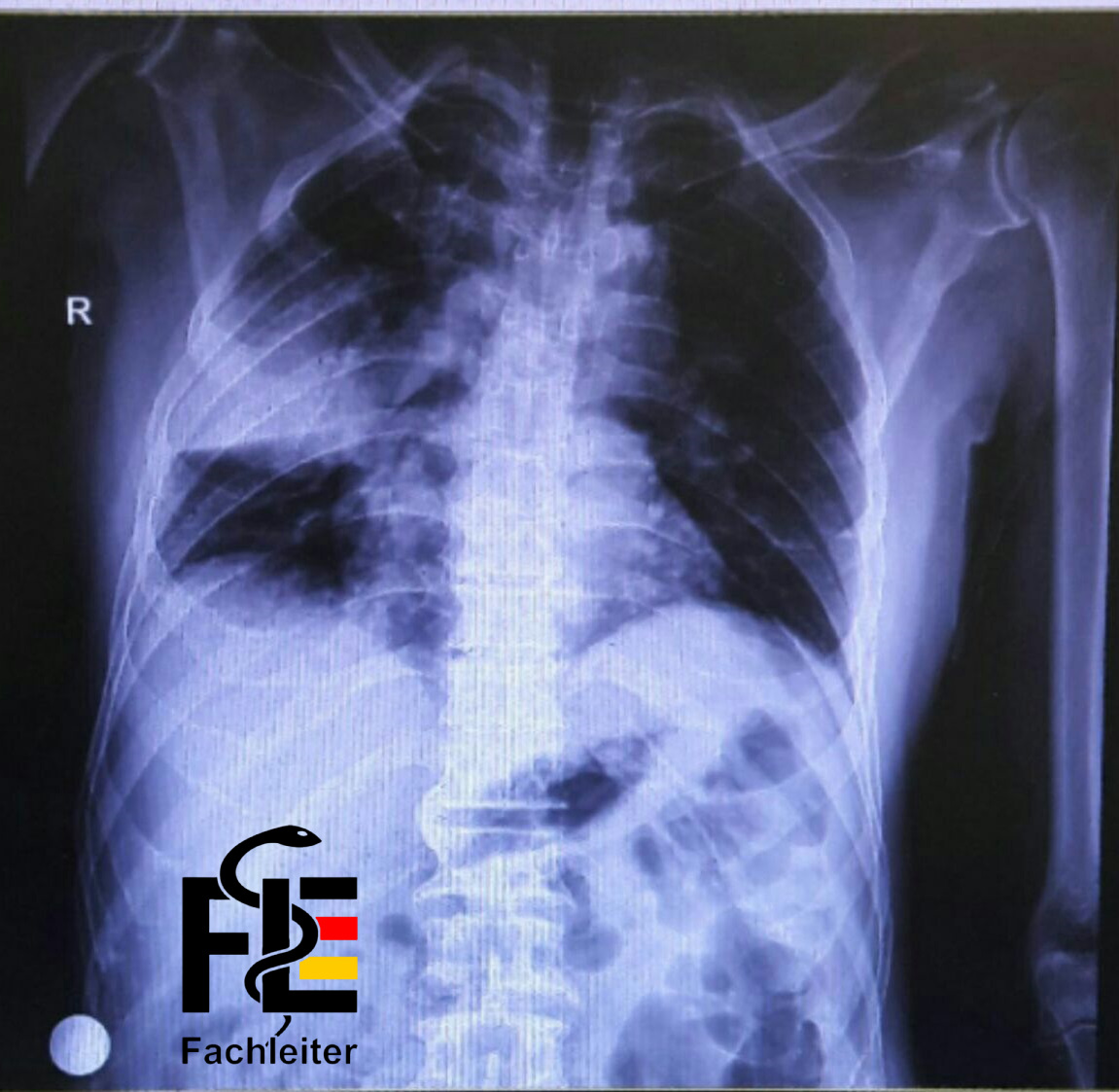 Pneumonie mit Pleuraerguss (viral)
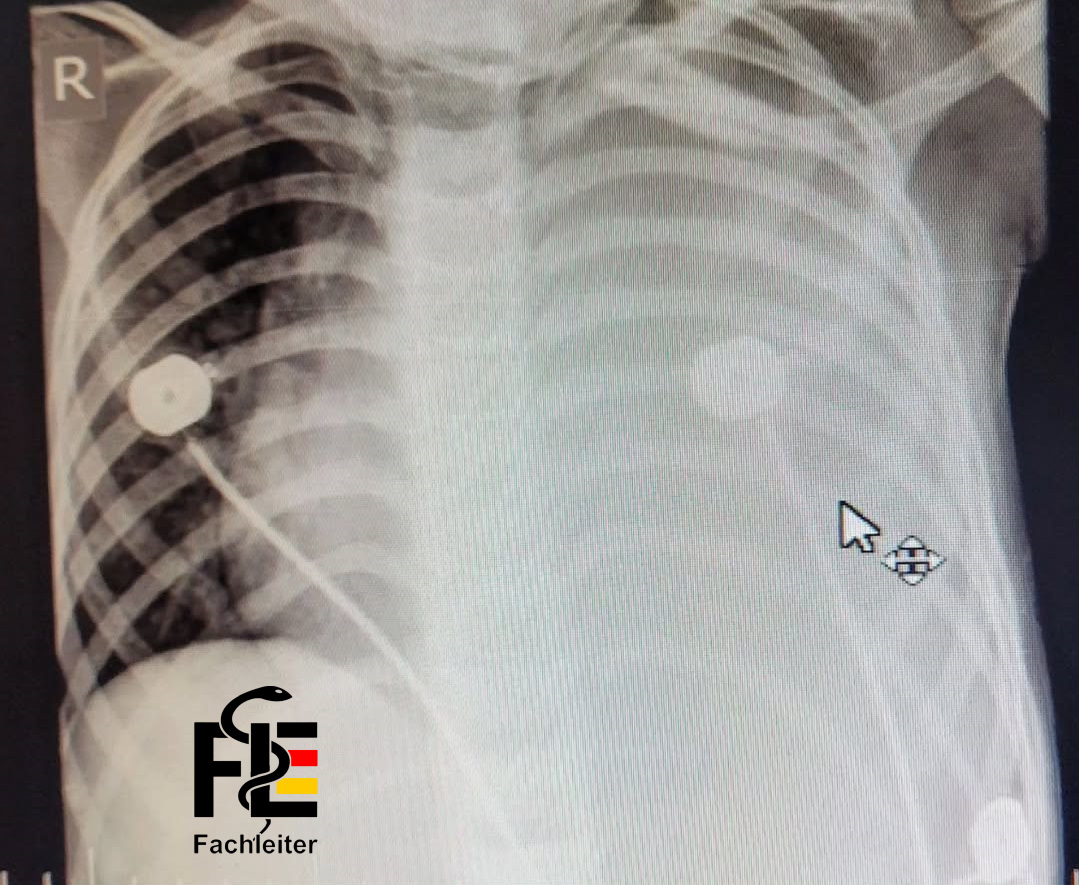 Pneumonie mit Pleuraerguss (viral)
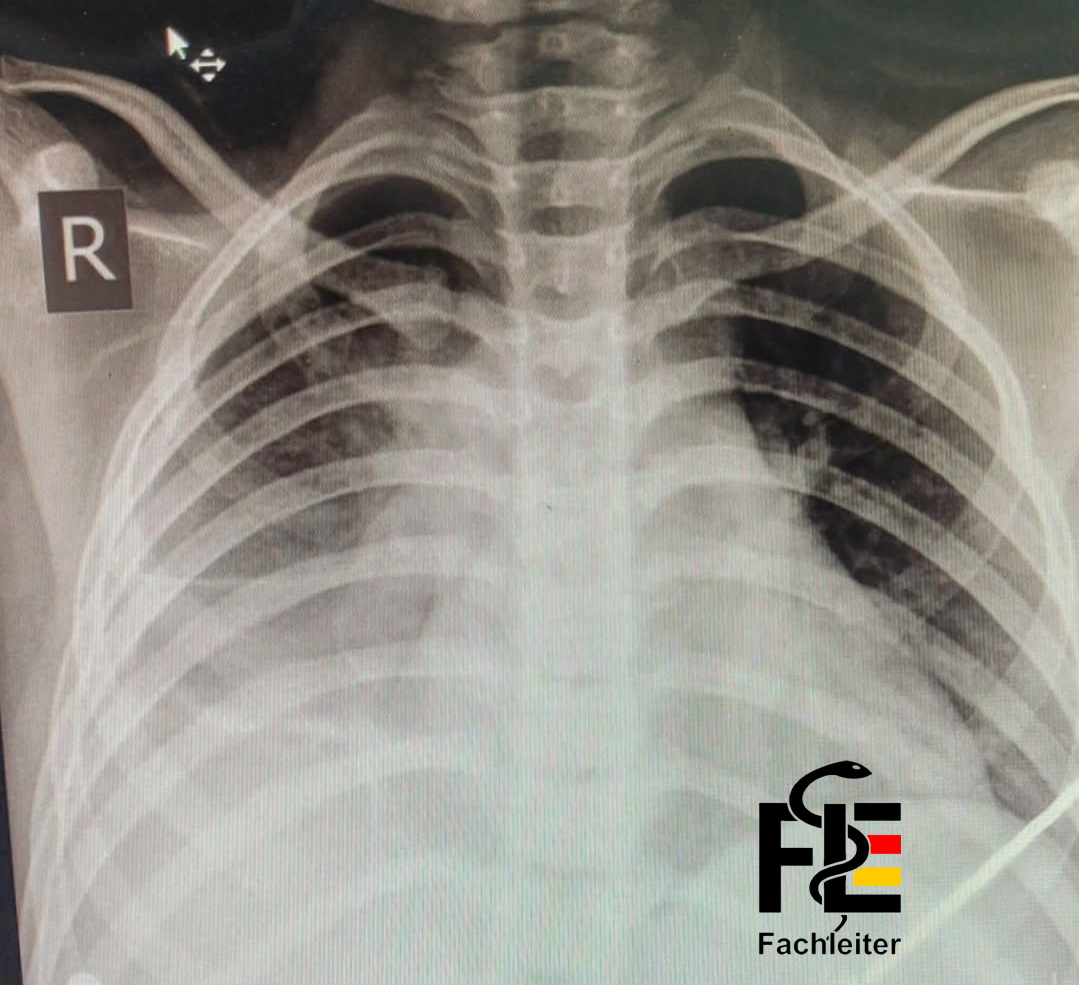
Chest CT
A chest CT is performed in pneumonia mainly when the X-ray findings are unclear or the therapy is not effective. Common indications are suspicion of complications such as abscess, empyema or pleural effusion, as well as evaluation of atypical or recurrent pneumonias. CT also serves to precisely assess the extent and to exclude other causes such as pulmonary embolism or tumor obstruction.
Computed tomography (CT) is an imaging method that uses X-rays to create detailed cross-sectional images of internal organs. The patient is moved into a tubular scanner and must lie still during the examination. Sometimes contrast agent is administered to allow a more precise depiction. The examination is painless and lasts only a few minutes. Before contrast-enhanced examination it is important that you drink sufficient fluids. We should also determine kidney function. Certain medications like metformin should be paused beforehand — we will clarify that with you. In rare cases an allergic reaction to the contrast agent may occur, but do not worry: we are prepared and have all necessary medications and measures on site.
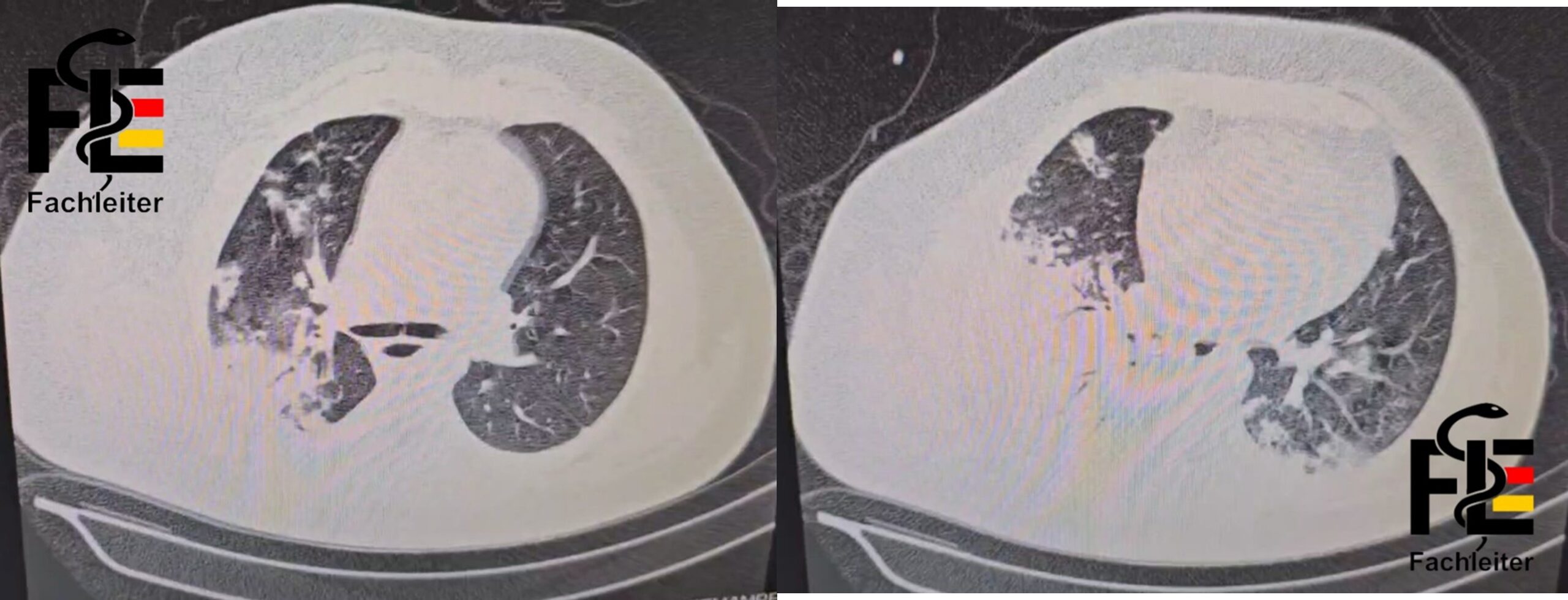
Consultations
Internal medicine, pulmonology, infectious diseases
Treatment
It is important to ask about recent antibiotic intake, as this influences the pathogen situation and the choice of empirical antibiotic.
|
Criterion |
Description |
Points |
|
C – Confusion |
New disorientation or confusion |
1 |
|
U – Urea |
Urea > 7 mmol/L |
1 |
|
R – Respiratory Rate |
Respiratory rate ≥ 30/min |
1 |
|
B – Blood Pressure |
Systolic < 90 mmHg or diastolic ≤ 60 mmHg |
1 |
|
65 – Age ≥ 65 years |
Age ≥ 65 years |
1 |
|
≥ 3 points: High risk → inpatient |
||
Outpatient treatment of community-acquired pneumonia (CAP)
In uncomplicated pneumonia, clinical improvement is expected within 48 to 72 hours.
Adults:
• Amoxicillin/clavulanic acid (Augmentan®, Amoclav®)
• Tablets 875/125 mg, 1–0–1 for 5–7 days
• if Legionella, Mycoplasma, Chlamydia are suspected
• + Azithromycin (Zithromax®, Azithromycin AL®) – tablets 500 mg, once daily for 3 days,
• Or levofloxacin (Tavanic®) – tablets 750 mg, once daily for 5 days, for β-lactam allergy or atypical pathogens
Children:
Children under 5 years are treated with ampicillin or amoxicillin.
From 5 years of age an additional macrolide (e.g., azithromycin) is added to cover atypical pathogens.
• Amoxicillin (e.g., InfectoMox®, AmoxiHEXAL®)
• Suspension
• Concentration: 125 mg/5 ml, 250 mg/5 ml, 500 mg/5 ml
• Azithromycin (e.g., Zithromax®)
• Dosage: 10 mg/kg body weight/day once daily for 3 days
• Concentration: 100 mg/5 ml, 200 mg/5 ml
Inpatient initial therapy (empirical):
Combination of a β-lactam antibiotic (e.g., ceftriaxone; Rocephin® 1 g i.v. once daily) and a macrolide (e.g., azithromycin 500 mg i.v. or p.o. once daily).
In a viral pneumonia, symptomatic and supportive treatment is central, i.e., antipyresis, adequate fluid intake, oxygen administration for hypoxia and physical rest.
Antiviral therapy is used only for certain pathogens (e.g., influenza or SARS-CoV-2).
Complications
Sepsis occurs when a local infection, such as pneumonia, spreads via the bloodstream throughout the body and triggers a systemic inflammatory response. It can lead to organ dysfunction, circulatory instability and, in the worst case, septic shock and represents a life-threatening emergency.
A pneumothorax occurs when air enters the pleural space causing partial or complete lung collapse; it can occur as a complication of pneumonia or due to rupture of an emphysematous bleb.
An empyema refers to an accumulation of purulent fluid in the pleural space, usually due to a contiguous bacterial infection, which requires drainage.
A lung abscess is an encapsulated, purulent tissue necrosis in the lung parenchyma with typical cavity formation and air-fluid level, usually due to a bacterial infection or aspiration.
General information about pneumonia
Pneumonia:
Infection of the lung parenchyma → causes lower respiratory tract symptoms
Classification by site of infection / acquisition:
1. HAP criteria:
Onset ≥ 48 h after hospital admission
No infection or incubation on admission
Or shortly after discharge from the hospital
2. CAP criteria:
All other pneumonias that arise outside the hospital
Significance: Differentiation important for pathogen spectrum and choice of therapy
Predisposing factors for pneumonia:
Chronic lung diseases:
COPD, cystic fibrosis, bronchiectasis or other structural lung damage
→ Increased risk for bacterial pneumonia, especially with concurrent corticosteroid therapy
Alcohol consumption:
Excessive alcohol consumption → suppresses the cough reflex
Impairs leukocyte function and migration
→ Increased risk for aspiration pneumonia
General immunodeficiency:
Chemotherapy or radiotherapy for cancer, organ transplantation with immunosuppressive medication, or hematologic diseases (e.g. leukemia, lymphoma) can weaken immune defense.
This leads to more severe courses in RSV, influenza and parainfluenza virus infections.
Pregnancy:
Predisposes especially to severe influenza pneumonias
Immunosuppression / HIV/AIDS:
In young adults with AIDS there is an approximately hundredfold increased risk of developing bacterial pneumonia.
|
Pathogens |
Particulars |
Complications |
|
Streptococcus pneumoniae |
Most common pathogen of community-acquired pneumonia; acute onset with high fever, productive cough and pleuritic chest pain |
Bacteremia, empyema, meningitis, sepsis |
|
Haemophilus influenzae |
Common in COPD patients; milder course; often purulent sputum |
Bronchitis, COPD exacerbation, pleural effusion |
|
Staphylococcus aureus (esp. MRSA) |
Often post-influenza; rapid course with hemoptysis and shock |
Necrotizing pneumonia, empyema, pneumothorax, sepsis |
|
Mycoplasma pneumoniae |
Insidious onset, dry cough, young age; extrapulmonary manifestations (rash, anemia, encephalitis) |
Myocarditis, encephalitis, hemolytic anemia |
|
Chlamydia pneumoniae |
Persistent cough, low-grade fever course; often laryngitis or sinusitis |
Exacerbation in asthma/COPD |
|
Legionella pneumophila |
Epidemiology: hotel/air-conditioning systems, contaminated water; GI symptoms, hyponatremia, confusion |
ARDS, multi-organ failure |
|
Klebsiella pneumoniae |
Common in alcoholics, elderly patients, diabetics; often affects upper lobe; “currant jelly sputum” |
Abscess formation, empyema, sepsis |
|
Pseudomonas aeruginosa |
Nosocomial, immunosuppression, cystic fibrosis; resistance issues |
Sepsis, respiratory failure |
|
Influenza virus (A/B) |
Sudden onset with fever, myalgias, dry cough; predisposes to bacterial superinfection |
Secondary infection (esp. S. aureus), ARDS |
|
Respiratory syncytial virus (RSV) |
Infants/toddlers; bronchiolitis, wheeze, chest retractions |
Hypoxia, apneas, respiratory failure |
|
SARS-CoV-2 |
Dry cough, dyspnea, loss of smell, bilateral infiltrates |
ARDS, thromboses, multi-organ failure |
|
For the future |
|
With this the examiners want to deliberately mislead the candidate |
 In the exam, the main complaint in a pneumonia case is often chest pain and not productive cough.
Extra
Names:
Petra Knöterich, Marina Mayer, Sabine Ritter, Karl Lauterbach, Petra Schneider
Details:
She is a former smoker. She previously smoked about one pack per day for 15 years and started at the age of 16.
She stated that her father was a heavy smoker and died of lung cancer, which is why she quit smoking.
The patient has been in menopause for one year. Cesarean section
Teacher, social worker, orchestra employee, she plays trombone.
Past medical history:
Gouty arthritis for eight years.
Burnout syndrome in the history.
Bilateral varicose vein surgery one and a half years ago, uncomplicated course.
Diabetes mellitus type 1
Epilepsy (seizure-free for 20 years)
Removal of a basal cell carcinoma
Prostate carcinoma, diagnosed one year ago and treated with radiotherapy.
Family history:
The father died at age 52 of bronchial carcinoma.
Stroke in the father
Breast cancer and dementia in the mother.
Medications:
Zyloric® 300 mg (allopurinol) – 1-0-0-0
Terbinafine 250 mg – 1-0-0-0
Omeprazole 20 mg – 1-0-0-0
Insulin
L-thyroxine 50 mg
Allergy:
An allergy to pollen is present, which manifests as rhinorrhea.
Allergy to seafood with rash and erythema as reaction signs.
Questions
1. What is meant by chronic bronchitis?
Chronic bronchitis is a productive cough illness where cough and sputum persist for at least three months per year for two consecutive years.
The most common cause is smoking, less commonly inhalation of irritants or dust.
2. Is the radiation exposure from a CT scan too high?
Radiation exposure from a CT scan is significantly higher than from a standard X-ray, but it is considered medically justified if the examination is necessary.
Thanks to modern equipment and low-dose techniques, the radiation dose is kept as low as possible.
3. What would you do if a diabetic has renal insufficiency and takes metformin?
In renal insufficiency metformin must be reviewed or discontinued because it can accumulate in the body and there is a risk of lactic acidosis.
eGFR < 45 ml/min: dose reduction and close monitoring
eGFR < 30 ml/min: discontinue metformin
4. What is a swab?
A swab is a diagnostic sample collection of cells, secretions or mucus from a body surface or mucosa (e.g. throat, nose, vagina, wound).
The material is taken with a sterile swab and then examined microscopically, by culture or molecularly (e.g. PCR) to detect pathogens such as bacteria, viruses or fungi.
5. Which chronic wounds do you know?
Chronic wounds: do not heal within longer than 8 weeks, e.g.
Venous/arterial leg ulcer (ulcus cruris)
Pressure ulcer (decubitus)
Diabetic foot ulcer (ulcus diabeticorum)
6. How do we differentiate an erosion from an ulcer?
An erosion is a superficial tissue defect that affects only the epidermis (for skin) or the mucosa (for mucous membrane) and heals without scarring.
An ulcer is a deeper tissue defect that extends into the submucosa or deeper layers and usually heals with scarring.
7. How can we treat varicose veins?
Varicose veins are treated conservatively with compression, exercise and leg elevation.
With more severe symptoms sclerotherapy, laser therapy or surgical removal (stripping) of the affected vein can be performed.
8. What is the medical name of the big toe metatarsophalangeal joint?
The big toe metatarsophalangeal joint is called Articulatio metatarsophalangea I or briefly MTP-I joint.
It connects the first metatarsal bone with the proximal phalanx of the big toe.
9. How do you examine the lungs?
Notes
BMI
Body mass index (BMI)
Definition: BMI is a simple ratio measure, calculated from body weight in kilograms divided by the square of height in meters (kg/m²).
Fever
Fever (pyrexia)
Definition: Fever denotes a body temperature above the normal range due to a change in the hypothalamic set point, usually in response to infections or inflammatory processes.
Chills
Chills
Definition: Chills are a sudden, pronounced sensation of cold with involuntary muscle contractions that often lead to visible shivering.
Cephalalgia
Cephalalgia (headaches)
Definition: Cephalalgia describes pain in the head region, which can vary greatly in location, intensity and character.
Classification and causes: Primary headache forms (e.g. migraine, tension-type headache) are distinguished from secondary headaches that are a symptom of another disease (e.g. infection, hemorrhage, inflammatory processes).
Warning signs: Suddenly onset very severe pain, neurological deficits, disturbances of consciousness or fever indicate the need for urgent evaluation.
Myalgias
Myalgias (muscle pains)
Definition: Myalgias denote pain in individual muscles or muscle groups, which can vary in severity.
Asthenia
Asthenia (generalized weakness)
Definition: Asthenia describes a subjective feeling of reduced strength, energy and performance without necessarily objective muscle weakness.
thoracic pain
Thoracic pain
Refers to pain localized in the chest area. Causes can arise from the chest wall (muscles, ribs, connective tissue), the pleural surface, the pericardium, the heart, the esophagus or as referred pain from the shoulder/back. Pain with deep inhalation or after coughing often points to a pleural or musculoskeletal cause. The lung parenchyma itself has few somatic pain receptors; thus pain sensations usually arise from adjacent structures.
Dyspnea
Dyspnea
Subjective sensation of breathlessness or difficulty breathing. It can occur acutely or chronically and has many causes, including cardiac and pulmonary diseases, metabolic disorders, neuromuscular deficits and psychogenic factors. Associated findings such as rapid breathing, use of accessory respiratory muscles or cyanosis can indicate more pronounced impairment.
Tachycardia
Tachycardia
Denotes an increased heart rate. It can be a physiological response to exertion, stress or fever; pathological reasons include volume depletion, anemia, metabolic disorders, endocrine diseases or cardiac arrhythmias. Clinically, tachycardia often presents as palpitations and can lead to circulatory problems when very pronounced or arrhythmic.
Rhinoconjunctivitis
Rhinoconjunctivitis
Inflammation of the nasal mucosa combined with signs of conjunctival inflammation. Common symptoms are sneezing, runny or blocked nose and red, itchy and watery eyes. An allergic cause (seasonal or perennial, colloquially hay fever) is most common, but infectious triggers are also possible.
Odynophagia
Odynophagia
Painful swallowing; refers to pain that occurs during the passage of saliva or food. Odynophagia differs from swallowing disorders (dysphagia) in that pain is the primary symptom. Possible causes are local inflammations or ulcerations of the pharynx or esophagus, infectious esophagitis, reflux-related mucosal damage or medication-induced lesions.
gastrointestinal complaints
Gastrointestinal complaints
Umbrella term for symptoms affecting the gastrointestinal tract. These include nausea, vomiting, abdominal pain, diarrhea, constipation and bloating. Causes are diverse and range from infectious and inflammatory diseases to functional disorders and medication- or diet-related problems. Severe, persistent or bleeding-associated symptoms require further evaluation.
Insomnia
Insomnia
Definition: Persistent problems falling or staying asleep, or early morning awakening with inability to return to sleep.
Causes and associations: Psychological stress, pain, physical illness, disturbances of the circadian rhythm, certain medications or substances can trigger or exacerbate sleep disorders.
Inappetence
Inappetence
Definition: Reduced or absent appetite with decreased interest in food intake.
arterial hypertension
Arterial hypertension
Definition: Persistently elevated blood pressure values in the arterial vessels that chronically burden the circulation.
Pathophysiology and forms: It is often based on increased peripheral vascular resistance and increasing vascular stiffness; a distinction is usually made between primary (essential) hypertension and secondary causes with treatable underlying disease.
Diabetes
Diabetes
Definition: Collective term for metabolic diseases with persistently elevated blood glucose values due to impaired insulin action or production.
Types and mechanisms: In type 1 diabetes an autoimmune reaction destroys the insulin-producing beta cells of the pancreas, resulting in an absolute insulin deficiency. In type 2 diabetes reduced insulin sensitivity (insulin resistance) and impaired insulin secretion both play a role. In gestational diabetes hormonal changes in pregnancy lead temporarily to increased insulin resistance.
Importance: Different types require different diagnostic and therapeutic approaches; untreated diabetes increases the risk of long-term complications.
Breast carcinoma
Breast carcinoma
Definition: Malignant tumor of the breast glandular tissue.
Origin and spread: Breast carcinomas often arise in the ducts (ductal) or the lobules (lobular); they can spread to regional lymph nodes and form distant metastases in bone, lung, liver or other organs.
Clinical relevance: Early detection through imaging and physical examination generally improves prognosis; treatment options include surgery, systemic therapies and radiotherapy.
Lumbalgia
Lumbalgia
Definition: Lumbalgia denotes pain in the area of the lumbar spine (lower back). Chronic lumbalgia is present when complaints persist or recur over a longer period, usually more than 12 weeks.
Causes and context: Common causes are degenerative changes of the spine, muscular overload, herniated discs with radicular involvement and inflammatory diseases such as spondylitis ankylosans (Bechterew’s disease). Additional contributing factors are weakened trunk muscles, overweight and persistent poor posture.
Important clinical aspects: Lumbalgia is a nonspecific symptom; if there are signs of nerve root involvement (radicular radiation, sensory disturbances, weakness), neurological deficits or so-called red-flag symptoms, further evaluation should be performed.
Radiculopathy
Radiculopathy
Definition: A radiculopathy is a disorder or damage of a spinal nerve root that can lead to sensory, motor or reflex deficits in the territory supplied by that root.
Clinical features: Typical signs are neuropathic pain with dermatomal radiation, paresthesias, sensory disturbances, muscle weakness and reduction or loss of reflexes.
Causes and diagnostic clues: Common causes are compression from a herniated disc or foraminal stenosis, but inflammatory, metabolic or traumatic changes can also occur. Diagnosis is based on medical history and neurological examination; imaging procedures (e.g., MRI) and electrophysiological tests can be used as complementary measures.
Disc prolapse
Disc prolapse
Definition: A disc prolapse (herniated disc) occurs when the inner gelatinous core of an intervertebral disc (nucleus pulposus) protrudes through the outer fibrous ring (anulus fibrosus) and presses on adjacent structures.
Clinical significance: A prolapse can cause localized back pain and, if nerve roots are compressed, radicular pain, sensory disturbances, muscle weakness or, in severe cases, paralysis.
Causes and diagnostics: Predisposing factors are degenerative changes, acute overload and trauma. Imaging, especially MRI, is the most important method for visualizing a herniated disc and assessing possible nerve impingement.
Metformin
Metformin
Class: Biguanide antidiabetic
Mechanism of action: Metformin primarily reduces hepatic glucose production and improves insulin sensitivity of peripheral tissues, thereby lowering blood glucose levels.
Indication: Mainly used for the treatment of type 2 diabetes mellitus as a first‑line medication.
Important side effects and risks: Common adverse effects affect the gastrointestinal tract (e.g., nausea, diarrhea). Rarely, lactic acidosis can occur; the risk increases with severe renal insufficiency or other critical conditions. Long-term use can lead to vitamin B12 deficiency.
Precautions: Caution and appropriate monitoring are indicated in impaired renal function and in situations with increased risk of lactic acidosis.
Ramipril
Ramipril
Class: ACE inhibitor (angiotensin‑converting enzyme inhibitor)
Effect: Ramipril inhibits the enzyme that converts angiotensin I to angiotensin II, thereby reducing vascular tone and blood pressure; it also has beneficial effects on cardiac and renal remodeling processes.
Indications: Ramipril is used mainly for arterial hypertension, heart failure and secondary prevention after myocardial infarction; it also has renoprotective effects in certain forms of proteinuria.
Important side effects: Typical side effects are dry cough, hypotension and possible hyperkalemia. Angioedema can rarely occur.
Contraindications and precautions: Ramipril is contraindicated in pregnancy and with known intolerance or previous angioedema under ACE inhibitors; special caution is warranted in bilateral renal artery stenosis. Monitoring of renal function and potassium is recommended.
Ibuprofen
Class: nonsteroidal antiinflammatory drug (NSAID).
Mechanism of action: Inhibits cyclooxygenase enzymes and thereby reduces the formation of prostaglandins involved in pain and inflammatory processes.
Use: Used for symptomatic relief of pain and inflammatory complaints; various formulations are available.
Important risks: Can cause gastrointestinal complaints up to ulcers, renal dysfunction and allergic reactions; risk increases with prolonged use and in the presence of certain comorbidities. If there is uncertainty about suitability and dosing, medical or pharmacy advice is required.
Urticaria
Definition: Urticaria denotes the occurrence of transient, usually intensely itchy wheals (skin swellings) on the skin.
Clinical features: The wheals are typically red to pale and disappear at a location within hours, but can reappear elsewhere; they are often accompanied by local edema and occasionally by angioedema in the facial or mucosal area.
Causes and associations: Urticaria can be triggered by allergic reactions (e.g., medications, foods), infections, physical factors or be idiopathic; it can be part of an anaphylactic reaction.
Head lice infestation
Definition: Head lice infestation (pediculosis capitis) is an infection of the scalp by head lice (Pediculus humanus capitis).
Clinical features: A typical symptom is intense scalp itching; lice and nits (eggs) are visible at the hairline.
Management notes: Diagnosis is made by visual detection of lice or nits. Treatment uses topical pediculicides and careful combing with a fine-toothed nit comb; close contacts and textiles should be checked.
Pancreatic carcinoma
Definition: Pancreatic carcinoma is a malignant tumor of the pancreas, most commonly a ductal adenocarcinoma of the exocrine pancreas.
Clinical presentation: Common symptoms are unintentional weight loss, pain in the upper abdomen or back, reduced appetite and jaundice in cases of bile duct obstruction.
Prognosis: The disease often has an unfavorable prognosis because it is frequently diagnosed only in advanced stages.
Thigh
Definition: The thigh is the body region between the hip and the knee; the central bony element is the femur.
Anatomical relevance: The area includes powerful muscle groups (e.g., quadriceps and hamstrings), important vessels (including the femoral artery) and nerves, and is commonly affected by fractures, muscle injuries and vascular diseases.
Blood pressure
Definition: Blood pressure denotes the pressure of circulating blood in the arterial vessels.
Physiological basics: It consists of a higher systolic and a lower diastolic value and is influenced by factors such as cardiac output, vascular resistance and blood volume.
Clinical significance: Blood pressure is a central vital parameter for assessing cardiovascular status; both persistent elevation and lowered values have clinical relevance and may require further evaluation.
Respiratory rate
Respiratory rate
The respiratory rate describes the number of breaths per minute and is a fundamental vital sign. In adults, the normal range is typically about 12–20 breaths per minute. Increased respiratory rate (tachypnea) and decreased respiratory rate (bradypnea) reflect different disorders: tachypnea can indicate airway or lung problems, metabolic derangements, fever or pain; bradypnea can occur with central respiratory depression, medication effects or severe metabolic disturbances. Changes in respiratory rate are early signs of respiratory or systemic impairment and are part of routine assessment of breathing.
Oxygen saturation
Oxygen saturation (SpO2)
Oxygen saturation indicates the proportion of oxygen-saturated hemoglobin relative to total bound hemoglobin and is measured noninvasively with a pulse oximeter (SpO2). It serves as a rough measure of pulmonary oxygenation; low values suggest impaired oxygen uptake or distribution. Measurement accuracy can be affected by poor perfusion, movement, artificial nails or certain hemoglobin variants. SpO2 is an adjunct parameter for assessing respiratory function but does not replace blood gas analysis in complex situations.
Body temperature
Body temperature
Body temperature describes the internal warmth of the body; different measurement sites yield slightly different values. Rectal measurements most closely approximate core body temperature and are often used as a reference. Orally measured values are usually somewhat lower than rectal, and axillary measurements generally give still lower readings. Deviations from the norm can indicate fever or hypothermia and are important clues to underlying disease or physiological responses.
PatientForm of address: Mr/Ms Senior physician ……….., I would like to present to you patient Ida Heinze. |
Date08/10/2025 |
| Age38 years | Weight75 kg | Height170 cm |
Allergies (keywords)
Penicillin → dyspnea and urticaria in the context of an anaphylactic reaction
Alcohol / drugs (keywords)
Non-smoker
occasionally 1–2 glasses of sparkling wine on special occasions
no drug use
Social history (keywords)
Architect
lives in a blended family with two stepchildren
youngest child had head lice one month ago
Family history (keywords)
Mother: deceased (pancreatic carcinoma at 64 years)
Father: 73 years, lives in a nursing home, fell 2 months ago with femoral neck fracture, surgically treated
Medications (keywords)
Metformin 500 mg 1-0-1
Ramipril 5 mg 1-0-½
Ibuprofen 400 mg as needed
History (full sentences)
The patient presented to our emergency department with a productive cough and fever for three days.
Assessment of the sputum was not possible because the patient regularly swallows it.
Axillary temperature was 38.9 °C.
She also complained of rigors, increased sweating, headaches, muscle pain and general weakness.
She further reported thoracic pain resulting from coughing or with deep inspiration; the pain occasionally radiates to the left shoulder and the back.
The following symptoms were denied: dyspnea, tachycardia, rhinoconjunctivitis, oral coatings, odynophagia, cervical lymphadenopathy, gastrointestinal complaints and rash.
Paracetamol and aspirin 500 mg reportedly led to temporary improvement of symptoms.
She reported having had a mild cold with a tickly cough about twelve days ago.
She stated that she is vaccinated against COVID-19 and influenza.
The vegetative history is unremarkable, except for insomnia due to coughing and loss of appetite.
She reported recently following a Mediterranean diet, resulting in about 4 kg weight loss.
As Pre-existing conditions there is arterial hypertension and type 2 diabetes mellitus for three years; both conditions are well controlled.
Five years ago a carcinoma of the right breast was diagnosed, treated by mastectomy, adjuvant chemotherapy and radiotherapy.
She has had chronic lumbalgia with radiculopathy due to a disc prolapse for eight years.
Last menstruation occurred six days ago; there are no gynecological complaints.
Suspected diagnosis – differential diagnosis (full sentences)
The anamestic information with productive cough, fever and general symptoms most likely indicate community-acquired pneumonia (CAP), probably caused by Streptococcus pneumoniae.
Differentially, other bacterial pathogens (Haemophilus influenzae, Staphylococcus aureus) as well as viral pathogens (influenza virus, RSV) are possible.
Bronchiolitis, COPD or tuberculosis are less likely given the course and history.
An ACE inhibitor-induced or cardiac cause is unlikely.
Further management – therapy (full sentences)
A physical examination with special focus on the thorax, particularly lung auscultation, will be performed first.
To secure the diagnosis a chest X-ray will be performed, since pneumonia is diagnosed by demonstration of an infiltrate on imaging.
Laboratory tests will include a differential blood count, CRP and procalcitonin to assess the extent of the inflammatory response.
After confirmation of the diagnosis antibiotic therapy with azithromycin will be initiated.
With this treatment clinical improvement is usually expected within 48 to 72 hours.
Signature
First name Last name
Kind regards
1. Superinfection
1. A viral infection can occur first and weakens the airway defenses. This allows bacteria to settle more easily and cause a bacterial infection (e.g., pneumonia or sinusitis).
2. Main complaints
3. Associated symptoms
2.
1. Productive cough
2. Thoracic pain with dorsal radiation
3. Pain due to repeated coughing or with deep inspiration
Rust-brown discolored, purulent sputum ± traces of blood
3. Associated symptoms
4. Important negatives
3. Fever, rigors, hyperhidrosis, cephalgia, myalgia, asthenia, loss of appetite, dyspnea / tachypnea, tachycardia, cyanosis
4. Rhinoconjunctivitis, oral coatings, odynophagia, cervical lymphadenopathy, gastrointestinal complaints, rash, travel history, suspicious contacts
5. Predisposing
factors for pneumonia
5. Chronic lung diseases (e.g., COPD, bronchial asthma, cystic fibrosis)
Alcohol consumption
Chemotherapy or radiotherapy for cancer
Immunosuppressive medication / corticosteroid therapy
Pregnancy
HIV / AIDS
6. Physical examination
Tachypnea / dyspnea, use of accessory respiratory muscles
Increased tactile fremitus (pneumonia)
Decreased tactile fremitus (pleural effusion)
Dull percussion note over the affected lung area
Auscultation: crackles / diminished breath sounds
Extrapulmonary manifestations (especially with Mycoplasma pneumoniae): erythema multiforme, aseptic meningitis, urticaria, erythema nodosum
7. Pathogens
Streptococcus pneumoniae: most common pathogen of community-acquired pneumonia (CAP)
Haemophilus influenzae: common in COPD patients and elderly people
Pseudomonas aeruginosa: typical pathogen in nosocomial pneumonias or immunosuppressed patients
Viral: common in small children or in existing immunodeficiency
8. Chest X-ray
9. Chest CT
Bacterial
Mostly lobar or segmental, bronchopneumogram, pleural effusion
pneumogram, pleural effusion
Viral / atypical
Interstitial or diffusely distributed, often bilateral and perihilar predominant
9. Unclear X-ray finding, lack of therapeutic response, suspicion of complications
10. Laboratory diagnostics
Differential blood count: leukocytosis with left shift
Elevated CRP and procalcitonin
Urea, creatinine
Blood gas analysis
Microbiological diagnostics (if needed):
Gram stain, bacterial cultures
12. Treatment
Outpatient:
Amoxicillin/clavulanic acid: 875/125 mg, 1–0–1 for 5–7 days
if Legionella, Mycoplasma, Chlamydia are suspected: + azithromycin – tablets 500 mg, once daily for 3 days
Or levofloxacin (Tavanic® – tablets 750 mg, once daily for 5 days)
13. Complications
Sepsis: Spread of the infection via the bloodstream → systemic inflammatory response → organ failure, circulatory instability, septic shock (emergency)
Pneumothorax: Air in the pleural space → lung collapse (partial or complete)
Empyem: Purulent fluid collection in the pleural space → usually requires drainage
Lungenabszess: Encapsulated, purulent tissue necrosis with cavity formation and fluid level
14. Defense mechanisms
of the airways
15. HAP/ CAP
14. Anatomical barrier, airflow, secretory IgA, epiglottis, larynx
15. HAP – Hospital-acquired Pneumonia (nosocomial):
Occurrence ≥ 48 hours after hospital admission
Or shortly after discharge from the hospital
No infection / no incubation at the time of admission
15. HAP/ CAP
15. CAP – Community-acquired Pneumonia (acquired outside hospital):
All pneumonias that develop outside the hospital
The aspiration of small amounts of nasal and oral secretions during sleep (microaspiration) is a normal physiological process.
16. Imagine: How would you typically present a patient with pneumonia?
16. The patient presented to our emergency department with a productive cough and fever for three days.
In addition, she complained of chills, increased sweating, headaches, muscle aches and general weakness.
She also reported thoracic pain due to coughing or when taking a deep breath; the pain occasionally radiates into the left shoulder and back.
9. She had a mild cold about twelve days ago.
1. the pneumonia
2. the inflammation of the small bronchi
3. the inflammation of the bronchi
4. the inhalation of foreign material
5. the lack of oxygen in the blood
6. the shortness of breath
7. the accelerated breathing
8. the sputum
1. the pneumonia
2. the bronchiolitis
3. the bronchitis
4. the aspiration
5. the hypoxemia
6. the dyspnea
7. the tachypnea
8. the sputum
9. the general weakness
10. the bloody sputum
11. the percussion of the chest
12. the auscultation of the lungs
13. the bluish discoloration of the skin
14. the collection of air in the pleural space
15. the collection of pus in the pleural space
9. the asthenia
10. the hemoptysis
11. the percussion
12. the auscultation
13. the cyanosis
14. the pneumothorax
15. the empyema
fachleiterinfo@gmail.com
instagram.com/fachleiterinfo
fachleiterinfo@gmail.com
instagram.com/fachleiterinfo
To run an AI simulation, download the PDF with the prompt, then upload it to an AI application such as ChatGPT.
Page 1 · 1–20 / 66
DOCTOR: Hello,
My name is Doctor Mayer.
I am working today as the junior doctor on the ward. I would like to take a medical history with you.
If you did not understand anything correctly or have questions, please let me know.
First I need some personal information, then we can continue.
What is your name?
PATIENT: My name is Ida Heinze.
DOCTOR: Is there an “e” at the end of your last name?
PATIENT: Yes, with an “e” at the end
DOCTOR: How old are you, Ms. Heinze?
PATIENT: I am 38 years old.
DOCTOR: When were you born exactly?
PATIENT: My birthday is March sixteenth, 1987.
DOCTOR: How tall are you?
PATIENT: I am one seventy tall.
DOCTOR: How much do you weigh?
PATIENT: I weigh about seventy-five kilos.
DOCTOR: What is the name of your general practitioner?
PATIENT: My GP is Doctor Karla Scholz.
DOCTOR: What can I do for you today?
PATIENT: It started like this: For about one and a half weeks I have had a cough – at first it was dry, especially at night, but now there is constantly sputum.
DOCTOR: Since when have you had sputum?
PATIENT: I would say, for three to four days.
DOCTOR: What does the sputum look like?
Is it more yellowish or greenish?
Thick or thin?
PATIENT: To be honest, I usually swallow it, so I can’t say for sure.
But in my mouth it’s quite thick.
DOCTOR: Have you perhaps noticed any blood in the sputum?
PATIENT: I can’t say for sure, to be honest.
I have no idea.
DOCTOR: Do you have coughing fits that lead to severe shortness of breath or pain?
PATIENT: Well, at rest I don’t really have chest pain, but when I cough it really hurts in the chest – about seven out of ten on a scale.
When I cough I briefly get a bit more short of breath, but otherwise I can breathe normally.
In general I can breathe well.
DOCTOR: Do the pains change when you take a deep breath in or out?
PATIENT: Yes, the pain increases with deep inhalation.
DOCTOR: Do the pains radiate anywhere?
PATIENT: Yes, the pains sometimes go to the left shoulder and a little into the back.
It feels like someone is stabbing in with a knife.
DOCTOR: What else have you noticed?
PATIENT: I’ve had a fever for three days, plus muscle and headache.
I feel really weak.
DOCTOR: Have you measured the fever?
Where exactly?
PATIENT: Yes, I measured under the armpit.
The temperature was about 38.9 degrees.
That’s why I took aspirin or paracetamol, but they only help for a few hours.
I also had severe shivering, I was really cold even though I was under the blanket.
And a few times I also sweated heavily.
DOCTOR: At what dosage did you take them?
PATIENT: Aspirin 500 and paracetamol 500 as well.
DOCTOR: Do you have a sore throat, a runny nose, or red eyes?
PATIENT: About two weeks ago I had a mild cold – just an irritated throat and dry cough, nothing else special.
DOCTOR: Have you noticed any swelling or anything noticeable on the neck?
PATIENT: No, I haven’t noticed anything special.
DOCTOR: Have you noticed anything in the mouth – for example redness or coatings?
PATIENT: No, everything is normal in the mouth.
Page 2 · 21–40 / 66
DOCTOR: Do foods taste different or like nothing?
PATIENT: No, I don’t notice a difference.
DOCTOR: Has your voice become hoarse?
PATIENT: No, not at all.
DOCTOR: Are you breathing faster or slower than usual?
PATIENT: No, I think I’m breathing normally.
DOCTOR: Do you feel nauseous?
Have you vomited?
PATIENT: No, not at all.
DOCTOR: Do you have gastrointestinal complaints – like abdominal pain or diarrhea?
PATIENT: The stool has become a bit softer, but I don’t go to the toilet more often.
DOCTOR: Have you noticed any rash anywhere on your body?
PATIENT: No, nothing at all.
DOCTOR: Have you noticed palpitations, pounding heart, or irregular pulse?
PATIENT: No, my heart beats normally.
DOCTOR: Are you currently aware of pressure in the ear?
PATIENT: No, not really.
DOCTOR: Has anyone around you had similar symptoms?
PATIENT: No, nobody around me is sick.
DOCTOR: Have you traveled recently?
PATIENT: No, I haven’t traveled recently.
DOCTOR: How did you get here?
PATIENT: My husband brought me.
DOCTOR: Are you fully vaccinated against COVID?
Do you also get the flu vaccine every year?
PATIENT: Yes, I am fully vaccinated.
I also got the flu vaccine this year.
DOCTOR: Have you seen a doctor so far?
PATIENT: I tried to reach my general practitioner, but she is at a training course.
That’s why I came to the hospital.
DOCTOR: How is your appetite?
PATIENT: Normally I have a good appetite and no problems with it.
But for a few days I have hardly had any appetite, and I also can’t sleep well.
DOCTOR: Is the sleep disturbance due to the cough?
Do you usually sleep well?
PATIENT: Yes, exactly.
When I don’t have a cough, I sleep like a baby.
DOCTOR: How do you eat – vegan, vegetarian, or do you eat everything?
PATIENT: I actually like to eat everything.
DOCTOR: Have you recently lost or gained weight unintentionally?
PATIENT: No, that was intentional.
I have had diabetes and high blood pressure for several years.
My GP recommended that I go on a diet.
That’s why I have been following the Mediterranean diet for about six months, and I have since lost four kilos.
DOCTOR: Wonderful, well done!
Have you had difficulties with bowel movements or urination?
PATIENT: Apart from what I already mentioned, no – nothing else.
DOCTOR: When and how were the high blood pressure and diabetes diagnosed?
PATIENT: About three years ago – during a course of radiotherapy.
I had cancer in the right breast discovered about five years ago.
After that I had surgery and then chemotherapy.
About two years later, so around three years ago, I was supposed to receive radiotherapy.
During that, the high blood pressure and diabetes were detected.
DOCTOR: During the operation, was only the right breast removed or were the adjacent lymph nodes removed as well?
PATIENT: Yes, the right breast was completely removed, and lymph nodes in the axilla were also removed.
Page 3 · 41–60 / 66
DOCTOR: How well are both conditions controlled?
PATIENT: Pretty well, I think.
When I measure at home, the values are within the normal range according to my training.
DOCTOR: What do you take for them?
PATIENT: I take Metformin twice daily, morning and evening.
Ramipril once in the morning and a half in the afternoon.
DOCTOR: In what dosage do you take the medications?
PATIENT: I take them exactly as stated on the packaging: Metformin 500, Ramipril 5.
DOCTOR: Have you had any known complications, for example in the kidneys or eyes?
PATIENT: No, fortunately no problems.
DOCTOR: Would you like to add anything else?
PATIENT: Yes. For about eight years I have had recurring back pain, especially after physical work – for example when gardening.
My doctor said after a loud, tubular examination that it is a herniated disc.
DOCTOR: Do the pains radiate into the legs as well?
PATIENT: Yes, especially into the right leg, sometimes down into the calf or the foot.
DOCTOR: Do you know which level – that is, which vertebra is affected?
PATIENT: I’m not entirely sure, but I think in the lower back – something with 5.
DOCTOR: Do you have numbness or a tingling sensation anywhere?
PATIENT: No, I don’t.
DOCTOR: What do you take for it?
PATIENT: I take Ibuprofen 400 as needed.
That helps quite well.
DOCTOR: When was your last period?
PATIENT: About six days ago, the cycle is regular.
DOCTOR: Do you currently have any gynecological complaints – for example pain, discharge or irregularities?
PATIENT: No, everything is fine.
I have no complaints.
DOCTOR: Have you ever been pregnant?
PATIENT: No, not so far.
DOCTOR: Do you take any other medications?
PATIENT: No, nothing else.
DOCTOR: Do you have a prescription for your medications?
PATIENT: Yes, I do.
DOCTOR: Do you have any known allergies or intolerances – for example to medications or foods?
PATIENT: Yes. Once I was prescribed Penicillin for a severe throat infection.
After that I got an itchy skin rash and had difficulty breathing.
I then received an injection, and after that everything was fine again.
DOCTOR: Which antibiotic were you given afterwards?
PATIENT: Azithromycin.
I tolerated that well.
DOCTOR: Do you smoke?
PATIENT: No, I am a non-smoker.
DOCTOR: Do you drink alcohol?
How often, how much and what exactly do you drink?
PATIENT: Only on special occasions, for example at parties – then I might drink one or two glasses of sparkling wine.
DOCTOR: May I ask whether you have ever used drugs?
PATIENT: No, never.
DOCTOR: Do you exercise regularly?
PATIENT: No, to be honest, not.
Page 4 · 61–66 / 66
DOCTOR: What is your profession?
PATIENT: I work as an architect, so I plan and design buildings.
DOCTOR: Who do you live with?
PATIENT: I live with my family in an apartment.
I live in a patchwork family, that means I live with my husband and his two children from his first marriage.
DOCTOR: How are the children in your family doing?
PATIENT: Our son had head lice a month ago, but that has been fully treated and everything is fine again.
DOCTOR: Are there significant illnesses in your family, for example in your parents, siblings or other close relatives?
PATIENT: Yes. My mother died of pancreatic cancer at the age of 64.
My father is 73 and lives in a nursing home.
He fell down the stairs two months ago and broke his femur.
That was operated on, and fortunately he is doing better now.
I am really sorry to hear that.
DOCTOR: Do you have pets?
PATIENT: No, none.
DOCTOR: We have finished the medical history.
Do you have any other questions?
PATIENT: What exactly do I have?
Do I have to stay here?
DOCTOR: We can only make a very precise diagnosis after we have done a few more examinations.
But your symptoms very likely indicate pneumonia.
Whether you should be treated as an outpatient or inpatient depends on the examination results.