
Greeting
Good day, dear Professor Doctor …,
I would like to present the patient Hans Lang to you now.
He is 56 years old, one meter eighty-two tall and weighs about 84 kg. His body mass index (BMI) is 25.3 kg/m² and thus lies in the range of mild overweight.
Presenting complaint / current history
The patient presented to us because of dysphagia that has been present for 3 weeks.
The course was slowly progressive.
The patient reported that the dysphagia began with solid foods, then extended to semi-solid food and for two days now also affects liquids.
He also experienced odynophagia, which the patient rated as 6 out of 10 in intensity when swallowing.
As accompanying symptoms the patient reported pseudo hypersalivation, especially when lying down, hyperreflexia of the gag reflex, a globus sensation, regurgitation, fatigue, pallor and a dry cough.
In addition, he reported two episodes of melena and an approximate three-kilogram weight loss within three weeks due to inappetence .
Furthermore, reduced physical exercise tolerance with dyspnea was reported.
The following symptoms were denied: oral abnormalities or coatings, nausea, emesis, lymphadenopathy, dysphonia and jaundice.
He stated that he had not yet seen a doctor because his general practitioner was on vacation and he had also been occupied with a move.
Autonomic (vegetative) history
The autonomic history is unremarkable, except for an insomnia for 5 days in the form of a sleep-maintenance disturbance due to cough with two to three nightly awakenings and a longstanding constipation.
Previous illnesses
The following previous illnesses are known from the history:
For 8 years there has been type 2 diabetes mellitus, which has so far been insufficiently controlled. As a possible cause the patient cites regular consumption of sweets. He uses a glucose sensor on the upper arm. The most recently measured glucose value was 340 mg/dl. According to the patient, diabetic retinopathy or neuropathy is not yet known.
Two years ago there was a decompensation, more precisely a possible hyperosmolar hyperglycemic state, with a blood glucose value of 650 mg/dl, which required a two-day inpatient treatment.
|
No diabetes |
Prediabetes |
Diabetes |
|
|
Fasting glucose |
< 100 mg/dl |
100–125 mg/dl |
≥ 126 mg/dl |
|
Random glucose |
– |
– |
≥ 200 mg/dl |
|
HbA1c |
< 5,7 % |
5,7–< 6,5 % |
≥ 6,5 % |
|
OGTT (2‑h value) |
< 140 mg/dl |
140–199 mg/dl |
≥ 200 mg/dl |
For two years there has been atrial fibrillation, which was diagnosed during a routine examination.
For five years there has been hypothyroidism in the context of a possible Hashimotothyroiditis, which was diagnosed during a routine examination.
Since birth there has been an auricular dysplasia (auricular dysplasia), fitted with a bone conductionhearing aid.
Twelve years ago the patient sustained a contusion of the right ribs as a result of a handball trauma, which was treated conservatively.
For 10 days there have been common warts on the distal phalanges of the right index and middle fingers. So far there has been no improvement under topical therapy. A surgical consultation is planned.
Previous surgeries
Five years ago, after repeated supporting on the left elbow, a bursitis olecrani occurred, after which a bursectomy was performed.
Three years ago there was difficulty initiating urination due to a benign prostatic hyperplasia. Because of the symptoms a transurethral resection of the prostate (TURP) was performed.
Note: If a statement can be objectively confirmed by a medical examination – for example by visible scars – the indicative is appropriate. (No physical examination takes place in the specialist language exam.)
Gynecology
——————–
Medications
The following medications are on his prescription:
Icandra 50 to 1000 milligrams, twice daily
Ozempic® 1×/week s.c. (Sundays, abdominal)
Marcumar-Dosage: ¼ tablet once daily, Sundays ½ tablet, INR = 2.5, planned change to Eliquis shortly.
Euthyrox 100 microgram.
Valerian-tablets
Ibuprofen 400 mg as needed
Laxoberal drops as needed
Note: If a statement can be objectively confirmed by a medical observation – for example by a prescription – the indicative is appropriate.
Allergies
There is a cross-allergy to grass pollen and tomatoes, which manifests as allergic rhinitis.
With Novalgin there are urticarial skin reactions.
Noxae
The patient has smoked 15 to 20 cigarettes daily for 30 years, corresponding to a smoking burden of about 26.25 pack-years She has consumed three bottles of beer daily for 15 years. She denied drug use.
Social history
He works as a doorman at a university and lives with his children in an apartment.
His wife died of breast cancer, which is why he is now widowed.
He has a biological daughter (30 years old) and a foster son (19 years old) who suffers from cannabis dependence. A withdrawal attempt was unsuccessful.
Physical activity: Swimming about once a week.
Family history
His mother died at the age of 65 from endometrial carcinoma, which was diagnosed at age 63. She underwent a hysterectomy and was subsequently treated with chemotherapy.
His father is 78 years old and suffered from obesity in the past. For this reason a bariatric operation was performed 25 years ago.
According to his mother, his grandfather died of a laryngeal carcinoma.
He has a dog. He has not traveled recently.
Suspected and differential diagnosis
In my opinion the anamnesis – particularly the progressive dysphagia, melena and weight loss – most likely indicate an esophageal carcinoma.
With achalasia one would typically expect dysphagia for both solids and liquids from the onset.
To exclude a Zenker’s diverticulum a barium swallow radiograph should be performed.
The patient shows no clinical signs of a goiter nor of laryngeal or pharyngeal carcinomas.
Diagnostic workup
Since the patient has no acutely life-threatening symptoms such as dyspnea, diagnostics can in principle be performed outpatient. However, due to the anamnesis suggesting an advanced stage, all diagnostic and therapeutic measures should be initiated without delay.
physical examination
After the history, a thorough physical examination is performed, starting with the assessment of vital signs, including heart rate, blood pressure, respiratory rate, oxygen saturation and body temperature.
A focused clinical examination is then performed, beginning with inspection. Findings may include cachexia, pallor, halitosis, signs of stridor or dyspnea and indications of liver metastases such as jaundice and ascites.
Palpation is used to assess for supraclavicular lymphadenopathy, hepatomegaly, ascites and tenderness in the epigastrium or retrosternal area.
On percussion the liver size and the presence of pleural effusions or ascites are checked.
Auscultation in this case provides no major diagnostic clues.
In addition, a digital rectal examination (DRE) is performed to detect occult bleeding.
Laboratory investigations
We would perform a complete blood count, ALT (GPT, alanine aminotransferase, specific for the liver) AST (GOT, aspartate aminotransferase), gamma-glutamyl transferase (GGT), electrolytes especially calcium, fasting blood sugar (FBS), HbA1c, a lipid profile (total cholesterol, LDL, HDL, triglycerides), kidney and blood fat values.
(There are no specific markers for squamous cell carcinoma of the esophagus, but an elevated carcinoembryonic antigen (CEA) value can be used to monitor for disease recurrence after therapy.)
Anatomic diagnosis
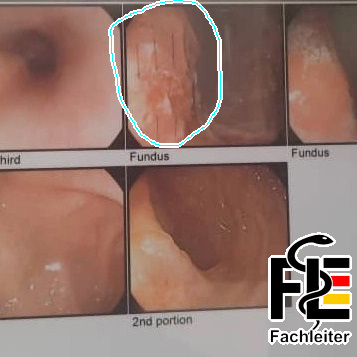
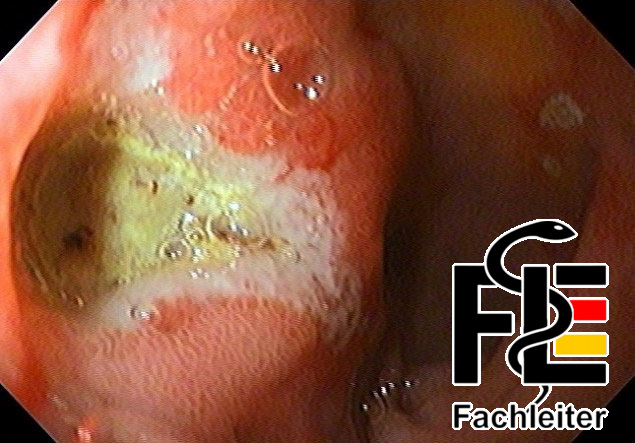
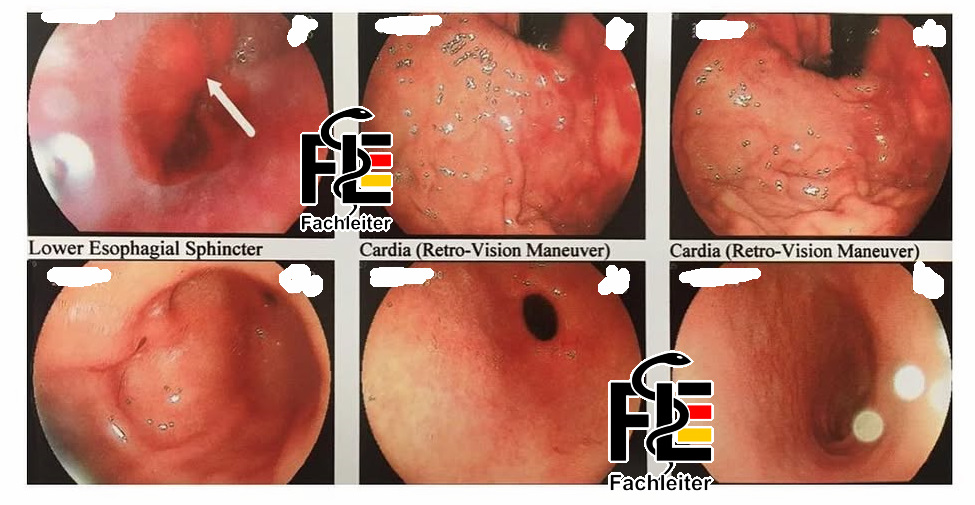
Esophagogastroduodenoscopy
Esophagogastroduodenoscopy (EGD) is an endoscopic examination of the upper gastrointestinal tract. A thin, flexible tube with a camera (endoscope) is introduced through the mouth to inspect the esophagus, stomach and duodenum.
During the examination the patient’s throat is usually locally anesthetized, and a sedative is often administered. The physician can directly view the mucosa, take images, obtain tissue samples (biopsy) and, if necessary, perform minor procedures. The procedure typically lasts about 15 to 30 minutes. The patient must fast for at least 6 hours. Clear fluids are allowed up to 2 hours before the procedure. Medications such as anticoagulants and diabetes drugs should be adjusted in consultation with the physician. If sedation is given, the patient must not drive afterwards and should arrange for a companion.
Possible complications of endoscopy include bleeding, perforation, infection, aspiration and circulatory or respiratory problems due to sedation.
Positron emission tomography
Positron emission tomography combined with computed tomography (abbreviated PET-CT) has, alongside endoscopic ultrasound, become a standard procedure and enables precise staging. These procedures are used for preoperative assessment of tumor spread. For restaging after initial therapy, combined with computed tomography (abbreviated PET-CT) has established itself alongside endoscopic ultrasound as a standard procedure and enables precise staging. These procedures are used for the preoperative assessment of tumor spread. For re-staging after the initial therapy are CT scans of the chest and abdomen are more helpful.
Endoscopic ultrasound
Endoscopic ultrasound (EUS) is considered the most accurate method for locoregional staging, as it can determine tumor depth and assess suspicious lymph nodes and, if necessary, biopsy them via fine-needle aspiration.
Endoscopic ultrasound (EUS) is a procedure that combines a special endoscope with an ultrasound probe to provide high-resolution images of structures in and around the gastrointestinal tract. The examination is usually performed under sedation via the mouth or rectally, depending on the indication. Patients generally need to be fasting for the examination (nothing to eat or drink for at least 6 hours prior); bowel preparation may be required for rectal application. If tissue sampling is planned, the use of blood-thinning medications should be discussed with the physician in advance.
|
TNM staging for esophageal carcinoma T (tumor), N (lymph nodes), M (distant metastases) |
|
|
Stage I |
superficial tumor, no lymph node involvement or metastases. |
|
Stage II |
tumor grows deeper, up to one affected lymph node, no metastases. |
|
Stage III |
infiltration of adjacent organs and regional lymph node metastases. |
|
Stage IV |
Presence of distant metastases. |
|
|
|
• Squamous cell carcinoma of the esophagus (Squamous Cell Carcinoma) Tobacco use and alcohol act synergistically and significantly increase the risk. Long-term consumption of very hot tea is also considered a risk factor. • Adenocarcinoma of the esophagus The incidence is steadily increasing. Smoking increases the risk, especially in patients with Barrett’s esophagus. |
 Additional knowledge
Barium swallow (not required)
The barium swallow is an X-ray procedure for visualizing the pharynx, esophagus and partly the stomach using barium sulfate as a contrast agent. The patient drinks the contrast medium while the swallowing process is observed under fluoroscopy. The examination is used to detect strictures, diverticula, tumors or motility disorders. The patient must be fasting. Possible complications are aspiration or obstruction. In suspected perforation, an iodinated, water-soluble contrast agent should be used.
A radiographic barium swallow shows a herniated sac with a narrow diverticulum neck that typically arises above the cricopharyngeus muscle at the level of cervical vertebrae C5 to C6 – characteristic of a Zenker’s diverticulum.
Consultations
Internal medicine / Gastroenterology / Oncology, Surgery, Radiology, Anesthesiology
Treatment
The treatment of esophageal carcinoma depends on the tumor stage and includes various therapeutic approaches. An esophagectomy (partial or total removal of the esophagus) with gastric pull-up or intestinal interposition is performed for resectable tumors. For early, superficial tumors without lymph node involvement, endoscopic mucosal resection (EMR) or endoscopic submucosal dissection (ESD) may be sufficient. Advanced tumors are often treated with radiotherapy or chemoradiotherapy, either to reduce tumor size before surgery or as sole therapy when inoperable. In advanced or metastatic stages, palliative therapy is used, which may include stent placement to improve swallowing function, palliative chemotherapy or immunotherapy (e.g., checkpoint inhibitors), as well as measures to secure nutrition such as percutaneous endoscopic gastrostomy (PEG).
Complications
Aspiration, tumor bleeding, perforation → mediastinitis (life-threatening), fistula formation, metastases and systemic complications, strictures
Extra
Names:
Uschi Glas, Ludwig Sokolowski, Ludwig Schreiber, Ludwig Klostermann, Florian Wirtz, Alfons Wolf, Kora Ziegler, Johannes Kaiser, Robert Kassner, Thomas Peckenfeld
Details:
The patient described exertional dyspnea that already occurs after climbing about 20 stairs.
Janitor at a primary school
Retail worker at dm
Pre-existing conditions:
He had a rib contusion following an accident while skiing (slid onto his right side)
The patient has accident-related injuries (football accident) in the form of a rupture of the anterior cruciate ligament, a lesion of the medial meniscus and a rupture of the medial collateral ligament.
Hysterectomy for status post myoma
Osteoporosis, vertebral body fracture
An appendectomy in childhood
Status post left total hip arthroplasty (H-TEP) due to coxarthrosis 3 years ago
He also complains of swollen lymph nodes in the neck region (cervical lymphadenopathy).
Ramipril
Iron tablets
Psyllium husk
Family history:
Grandfather died of laryngeal carcinoma (throat cancer).
His wife died 2.5 years ago from rectal cancer
Father: arterial hypertension
Mother: died of colon cancer
The father died twelve years ago of a stomach carcinoma.
Father: status post bypass surgery; Parkinson’s syndrome.
Mother: status post a gastric surgery not further specified.
Father: status post bypass surgery; Parkinson’s syndrome.
Mother: status post a gastric surgery not further specified.
Social history:
Janitor at a primary school
Allergies:
Diclofenac
Flour
Cereals, especially rye. No gluten intolerance or celiac disease.
Allergic to all painkillers
Allergic to penicillin
Allergic to nickel
Questions
1. Doctor, can you please explain what disease I have?
Your symptoms indicate a possible abnormality in your esophagus that we need to investigate further. To make an accurate diagnosis, additional examinations are necessary.
2. Is it possible that it is cancer? My mother also had cancer, and that worries me a lot.
I understand your concern very well. Based on your symptoms we cannot make a definitive statement yet. There are various possible causes for your complaints, not all are malignant. To gain clarity, we will perform targeted investigations.
3. Do I absolutely have to have an endoscopy? I have black stool.
We should first discuss this together with your senior physician or the treating team – good teamwork in the treatment team is very important.
However, black stool (melena) suggests a possible bleeding in the upper gastrointestinal tract, which is why an endoscopy would probably be sensible and medically indicated in your case.
4. What is meant by GERD?
Gastroesophageal reflux disease (GERD) is a chronic condition in which stomach acid regularly flows back into the esophagus and irritates its mucosa. Causes are usually a weakened lower esophageal sphincter, overweight, a high-fat diet, smoking or alcohol consumption. Typical symptoms are heartburn, acid regurgitation, difficulty swallowing and occasionally chronic cough. Treatment includes lifestyle changes (e.g., weight loss, avoiding acid-provoking foods), medications such as proton pump inhibitors (PPIs) or H2-blockers. It can lead to Barrett’s esophagus (metaplasia of squamous epithelium to columnar epithelium, increased esophageal carcinoma risk), strictures (scar formation) as well as bleeding/ulcers.
5. Can Marcumar completely cure atrial fibrillation?
No, Marcumar cannot cure atrial fibrillation (AF); it only serves to prevent blood clots and strokes. The underlying arrhythmia persists, so additional measures such as drugs for rhythm or rate control or catheter ablation are often required.
6. What are the risks of Marcumar?
Increased bleeding risk – especially with injuries, gastrointestinal bleeding or intracranial hemorrhage.
Interactions: Many drugs and foods (e.g., vitamin K–containing foods like green leafy vegetables) can affect its effect.
7. What complications can cannabis use cause in younger and older people?
In younger people it can cause developmental disorders, memory problems and psychoses, while in older people it increases the risk of cardiovascular problems, cognitive impairment and falls.
8. Who was Friedrich Albert von Zenker?
The Zenker’s diverticulum was named after Friedrich Albert von Zenker (1825–1898). He was a German pathologist and anatomist who, among other things, studied diseases of the digestive tract.
9. Why do you suspect type 2 diabetes mellitus in this patient?
In type 1 diabetes mellitus the patient depends on insulin from the outset because there is an absolute lack of insulin secretion.
In type 2, on the other hand, there is insulin resistance with a relative defect in insulin secretion. Treatment depends on severity and can range from lifestyle changes (such as weight reduction, diet and exercise) through oral antidiabetics to insulin therapy.
10. What does ‘puncture’ mean in medicine and what is it used for?
Puncture in medicine means the targeted insertion procedure with a hollow needle to withdraw fluids or tissue from the body. Examples of use are lumbar puncture, ascites puncture, bone marrow puncture and joint aspiration.
11. How much alcohol per day is too much?
For men: no more than 24 g pure alcohol per day
For women: no more than 12 g pure alcohol per day
For orientation: Approximately 10–12 g pure alcohol are contained in:
• a small beer (250 ml)
• a glass of wine (100 ml)
• a glass of sparkling wine (100 ml)
12. Which bones are involved in the elbow joint?
Humerus (upper arm bone) + Ulna (olecranon – the medial forearm bone) + Radius (radius – the lateral forearm bone)
13. Which structures are located on the medial and lateral side of the elbow joint?
Medial: medial epicondyle of the humerus (bony prominence on the humerus)
Lateral: lateral epicondyle of the humerus
14. What does ‘Entgleisung’ mean – medically and in everyday language?
Medically, ‘Entgleisung’ denotes a sudden, usually severe deterioration of a previously stable health condition, for example a blood sugar derangement in diabetes or a hypertensive crisis in high blood pressure.
In everyday language, ‘Entgleisung’ often means uncontrolled or inappropriate behavior, for instance when someone loses self-control or behaves socially inappropriately.
‘Entgleisung’ here means that a train leaves the tracks, i.e., departs from the rails. This is a technical term in rail transport and describes a potentially serious incident
15. What is tick-borne encephalitis (TBE)?
Early-summer meningoencephalitis (FSME) is a viral infection caused by the FSME virus, primarily transmitted by tick bites, that can affect the central nervous system. The disease often proceeds in two phases: initially, influenza-like symptoms such as fever, headache and limb pain occur. In the second phase, inflammation of the meninges (meningitis), the brain (encephalitis) or the spinal cord (myelitis) can occur with severe neurological complaints such as paralysis or impaired consciousness. Diagnosis is made by detection of antibodies in blood or cerebrospinal fluid and by typical symptoms. There is no specific treatment; symptomatic therapy is provided. The most important preventive measure is vaccination, especially for people in FSME risk areas.
16. Why has the diabetes deteriorated?
On the one hand, inflammatory conditions — including carcinomas — generally worsen metabolic control in diabetes. On the other hand, the patient suffers from swallowing difficulties, which means he may not be taking his medications correctly. Therefore, one should definitely ask whether medication intake is still regular and correct.
17. What will you do with the spatula, and how would you explain it to the patient?
I will carefully press down your tongue with the spatula so I can see your throat and tonsils better. It may feel briefly uncomfortable but it does not hurt.
18. what is LKW?
LKW stands for Lastkraftwagen — i.e. a large commercial vehicle for transporting goods.
19. Which bacterium is not killed by gastric acid?
Helicobacter pylori — it can survive in the gastric mucosa because it produces the enzyme urease, which releases ammonia and thus neutralizes gastric acid.
20. Which surgical approaches to the brain are used in skull surgery?
• The choice of approach depends on the location of the lesion. The most common surgical approaches include:
• Frontotemporal (pterional) approach – for tumors of the anterior cranial fossa, aneurysms of the A. cerebri media.
• Suboccipital (retrosigmoid) approach – for lesions of the posterior cranial fossa, e.g. vestibular schwannomas, cerebellopontine angle tumors.
• Transnasal/transsphenoidal approach – for pituitary adenomas and parasellar tumors.
• Parietal or occipital approach – for lesions in the posterior cerebral region.
Notes
BMI
Body mass index (BMI)
Definition and calculation: BMI is a measure for a rough assessment of the ratio of body weight to height. It is calculated by dividing body weight in kilograms by the square of height in meters (kg/m²).
Hypersalivation
Hypersalivation (increased salivation)
Definition and distinction: Hypersalivation refers to increased production or accumulation of saliva. True hypersalivation (increased secretion) is distinguished from pseudohypersalivation, in which decreased swallowing frequency or effectiveness leads to increased salivary pooling.
Causes: Common causes are neurological diseases with disturbed swallowing motor function (e.g. Parkinson’s), local inflammations in the oral cavity (stomatitis, gingivitis), and certain medications. Certain drug or toxic states with cholinergic effects, such as organophosphate poisoning, can also lead to increased salivation. Infectious diseases involving the pharyngeal/salivary tract can also be involved.
Clinical clues: Pseudohypersalivation often occurs when lying down if saliva is not swallowed sufficiently. The distinction influences further diagnostics and therapy.
Regurgitation
Regurgitation
Term and differentiation: Regurgitation describes the effortless backflow of previously swallowed, usually unaltered food or liquid into the mouth. It differs from active vomiting and is not identical to acid reflux, although overlaps are possible.
Causes: Typical causes are esophageal passage disorders and motility disorders (e.g. strictures of the pharynx, achalasia, Zenker’s diverticulum) or insufficient esophageal clearance.
Fatigue
Fatigue
Brief description: Persistent, pathologically significant exhaustion and reduced performance that is not fully relieved by rest.
Pallor
Pallor
Clinical sign: Reduced reddish coloration of the skin or mucous membranes, noticeable e.g. on the conjunctivae, lips or nail beds.
Significance: Pallor is a nonspecific sign that may indicate reduced oxygen-carrying capacity of the blood, often associated with anemia, but can also occur with vasoconstriction or shock.
Melena
Melena
Definition: Black, tarry stool caused by the breakdown of blood in the gastrointestinal tract; typically indicates a bleeding source in the upper gastrointestinal tract.
Inappetence
Inappetence
Inappetence denotes a reduced or absent desire to eat. It presents as decreased food intake and can lead to rapid weight loss and risk of malnutrition.
Dyspnea
Dyspnea
Dyspnea denotes the subjective experience of breathlessness or difficulty breathing. Affected individuals often describe it as shortness of breath, a tightness in the chest, or increased work of breathing.
Causes and clinical relevance
Shortness of breath can result from heart or lung diseases, anemia, metabolic disorders, or exercise-dependent limitations. Mechanical constrictions of the airways, such as tracheal compression by mass lesions, are also possible triggers and can significantly reduce physical exercise tolerance.
Lymphadenopathy
Lymphadenopathy
Lymphadenopathy denotes enlargement or abnormality of lymph nodes. This can be localized or generalized and is a clinically visible sign.
Causes and significance
Enlarged lymph nodes can be a reaction to infections, inflammatory processes, or malignant diseases. In tumor diseases, pathologically altered lymph nodes often indicate more advanced involvement and can influence staging and prognosis; however, the cause must be clarified by further diagnostics.
Dysphonia
Dysphonia
Dysphonia describes impaired voice production, often perceived as hoarseness, changes in volume or pitch. It is based on impaired vocal fold function or articulation.
Jaundice
Jaundice — not present
The patient has no visible jaundice (denied in the history). In general, jaundice denotes yellowing of the skin and sclerae due to elevated bilirubin levels. Causes can include hemolytic processes, primary liver diseases, cholestatic liver diseases, or liver involvement from tumors (e.g., liver metastases). The presence of jaundice is a clinical clue and requires further laboratory and imaging steps to clarify the cause.
Insomnia
Insomnia — acute sleep disturbance
The patient reports a sleep disturbance lasting five days with impaired maintenance of sleep. It is typical to have repeated nighttime awakenings due to coughing (two to three times per night). Otherwise the autonomic history is unremarkable. The description corresponds to a short-term difficulty initiating or maintaining sleep secondary to an acutely distressing comorbid illness.
Constipation
Constipation — long-standing
The patient reports long-standing constipation. Chronic constipation can impair quality of life and, with persistent straining, lead to secondary problems. Possible complications include hemorrhoids and anal fissures; these complications are potential consequences but are not asserted here as confirmed findings in the patient.
Type 2 diabetes mellitus
Type 2 diabetes mellitus — for 8 years, currently suboptimally controlled
Type 2 diabetes mellitus is a chronic metabolic disease characterized by insulin resistance and a relative insulin deficiency. Common risk factors include overweight, physical inactivity, and a family predisposition. The diagnosis is made based on elevated fasting glucose values or an elevated HbA1c (a clinically used diagnostic threshold is an HbA1c of ≥6.5%). Treatment principles include lifestyle measures (weight reduction, physical activity, adapted diet) and pharmacological treatment with oral antidiabetics (e.g., metformin) and, if necessary, insulin therapy.
hyperosmolar hyperglycemic state
Definition:
The hyperosmolar hyperglycemic state is a severe acute metabolic decompensation in diabetes mellitus characterized by extreme hyperglycemia and increased serum osmolality.
Characteristics:
Typical laboratory features are very high plasma glucose values, often above 600 mg/dl, and a serum osmolality above approximately 320 mOsm/l.
Clinical clues:
Clinically, the marked rise in osmolality often leads to pronounced dehydration and neurological symptoms; a pronounced ketosis is typically less present than in other diabetic decompensations.
inpatient
Definition: inpatient treatment
Inpatient treatment refers to immediate admission to a hospital or inpatient facility for continuous medical monitoring and care.
Purpose and examples:
The goal is the safe implementation of diagnostics and therapies that require continuous observation or parenteral interventions. Examples include fluid replacement, intensified monitoring, intravenous therapies, and regular laboratory checks as possible measures.
Atrial fibrillation
Short definition: atrial fibrillation
Atrial fibrillation is a common cardiac arrhythmia in which the atria are electrically active in an uncoordinated manner, resulting in an irregular pulse.
Causes and comorbidities:
Common triggers or associated diseases include arterial hypertension, coronary artery disease, valvular disease, hyperthyroidism, and increased alcohol consumption.
Clinical presentation and risks:
Affected individuals often report palpitations, shortness of breath, dizziness, or reduced exercise capacity. Important consequences are an increased risk of stroke and the potential development of heart failure.
Treatment principles:
Therapy depends on symptoms and the risk of thromboembolic events and includes antithrombotic strategies, measures to control heart rate or rhythm, and possibly interventional procedures.
Hypothyroidism
Definition: hypothyroidism
Hypothyroidism is reduced thyroid function with decreased production of thyroid hormones.
Causes:
Common causes are autoimmune inflammation of the thyroid (e.g., Hashimoto), iodine deficiency, and surgical or radiotherapeutic damage; less commonly there are central causes in the pituitary or hypothalamus.
Clinical picture:
Typical symptoms are fatigue, weight gain, cold intolerance, dry skin, constipation, and a slowed heart rate.
Hashimoto
Hashimoto thyroiditis
Definition
Hashimoto thyroiditis is a chronic autoimmune inflammation of the thyroid in which immune-mediated processes damage the organ and often lead to reduced hormone production.
Diagnostics
Evaluation is primarily serological by determining TSH and the free thyroid hormones (fT4, possibly fT3) and by detecting specific antibodies against thyroid components, for example TPO antibodies. Ultrasound of the thyroid can provide additional clues to typical structural changes.
Therapy
In marked or symptomatic hypothyroidism, the missing hormone effect is replaced by oral levothyroxine; this replacement therapy is usually required long-term and is guided by clinical findings and laboratory values.
Auricular dysplasia
Auricular dysplasia
Description
Aural dysplasia refers to a congenital malformation of the external ear structure with variable severity of the auricle.
Possible consequences and management
Such malformations can cause cosmetic concerns and in some cases affect hearing or comfortable wearing of glasses. Treatment options depend on the extent and range from conservative aids to surgical reconstruction; if accompanied by hearing loss, management with bone-anchored or bone-conduction hearing systems may also be indicated.
Hearing aid
Hearing aid
Indication
Hearing aids serve to improve hearing function in permanent hearing loss and are selected according to the type and severity of the hearing impairment.
Functional principles and types
Air-conduction devices amplify sound and transmit it through the ear canal and middle ear to the inner ear; they are the most common form. Bone-conduction devices transmit vibrations directly through the skull bone to the inner ear, bypassing the outer and middle ear; they are chosen when air conduction is not possible or ineffective. There are also implantable systems, including electrical or mechanical implants that stimulate the inner ear or auditory nerve directly and are used for certain more severe hearing losses.
Verrucae vulgares
Verrucae vulgares
Cause
Verrucae vulgares are benign skin proliferations caused by human papillomaviruses; certain virus types are commonly involved.
Clinical features and course
Clinically they present as rough, often skin-colored to brownish papules, preferably on the hands and fingers. Infection usually occurs by direct skin contact or via contaminated surfaces; injured skin increases the risk. Wart occurrence is more frequent in children and immunosuppressed persons. They are usually harmless but can be cosmetically bothersome or painful at pressure points.
Current situation
If there is persistent nonresponse to local treatment, further evaluation and possibly surgical or other specialist intervention may be indicated; therefore a surgical consultation is understandable.
Bursitis
Definition
Bursitis is the inflammatory reaction of a bursa, a fluid-filled structure that acts as a cushion between bone and adjacent soft tissues at joints.
Causes
Common triggers are repeated mechanical stress or friction as well as acute trauma; less commonly a bacterial infection is the cause.
Clinical features
Typical findings are local pain, swelling and warmth of the affected area, and restricted movement of the adjacent joint.
Therapy
Treatment is primarily conservative: offloading the affected site, physical modalities, and possibly anti-inflammatory medications. In therapy-refractory cases or infectious origin, further interventional or surgical measures may be necessary.
Bursectomy
Term and procedure
A bursectomy refers to the surgical removal of an inflamed or pain-causing bursa.
Indications
Such a procedure is considered when conservative measures are insufficient or recurrent inflammations, persistent pain or a manifest infection are present.
Important aspects
Surgical removal can improve the symptomatology but—like any procedure—carries risks such as wound healing disorders or scar formation; the indication is made individually.
Benign prostatic hyperplasia
Definition
Benign prostatic hyperplasia (BPH) is a non‑cancerous enlargement of the prostate gland that commonly occurs at older ages.
Pathogenesis
Hormonal changes, including the effect of dihydrotestosterone on the prostate, contribute to cell proliferation and volume increase.
Clinical presentation
Clinical consequences are lower urinary tract symptoms such as increased urinary frequency, a weakened urinary stream, nocturia and the sensation of incomplete emptying; in advanced cases urinary retention can occur.
Therapeutic options
Treatment depends on symptom severity and includes pharmacological therapies (e.g. alpha‑blockers, 5‑alpha‑reductase inhibitors), minimally invasive procedures and, in pronounced obstruction, surgical interventions such as transurethral resection of the prostate.
Icandra
Icandra is a combination preparation for the treatment of type 2 diabetes mellitus and contains vildagliptin and metformin. Vildagliptin promotes insulin release in a glucose‑dependent manner and inhibits glucagon release. Metformin reduces hepatic glucose production and improves insulin sensitivity. Possible side effects include nausea, diarrhea, headache and dizziness. Rare but serious adverse effects include liver function disorders and a very rare occurrence of lactic acidosis.
Ozempic
Group:
GLP‑1 receptor agonist (active ingredient: semaglutide).
Mechanism of action:
Promotes glucose‑dependent insulin release, inhibits glucagon secretion and delays gastric emptying; thereby lowers blood glucose.
Use:
Subcutaneous injection usually once weekly. The injection site can be the abdomen.
Important risks / side effects:
Common adverse effects are gastrointestinal complaints such as nausea, vomiting and diarrhea as well as decreased appetite. Acute pancreatitis has been reported in isolated cases.
Marcumar
Active ingredient and class:
Phenprocoumon, a vitamin K antagonist (oral anticoagulant).
Effect and indication:
Inhibits the formation of vitamin K‑dependent clotting factors in the liver and is used for prophylaxis and treatment of thromboembolic diseases and in atrial fibrillation.
Side effects and monitoring:
Increased bleeding tendency and hematoma formation are the main side effects; liver values can rarely be altered. Regular INR monitoring is required to safely manage anticoagulation.
Eliquis
Active ingredient and class:
Apixaban, an oral direct factor Xa inhibitor (anticoagulant).
Mechanism of action:
Blocks factor Xa and thereby reduces thrombin formation and thrombus development.
Monitoring and safety:
Routine coagulation monitoring like with vitamin K antagonists is generally not required; assessment of bleeding risk and monitoring of relevant concomitant parameters (e.g. renal function) remain important.
Euthyrox
Active ingredient and indication:
Levothyroxine (synthetic T4) for replacement or supplementary therapy in hypothyroidism and when needed after thyroid surgery.
Effect:
Replaces the body’s thyroid hormone T4 and thereby normalizes metabolism in hypothyroidism.
Use and monitoring:
The dose is determined individually and followed by clinical findings and laboratory parameters.
Adverse effects:
With excessive dosing symptoms of hyperthyroidism can occur, such as palpitations, restlessness, sleep disturbances and weight loss.
Valerian
Valerian
Brief description: Valerian is a medicinal plant whose roots have traditionally been used for difficulties falling asleep and nervous restlessness.
Effect: The constituents are associated with a calming effect on the central nervous system; evidence is heterogeneous, but benefit in mild sleep disturbances is frequently reported.
Use: Used for temporary sleep disturbances and tension states; available as tea or finished medicinal products.
Important notes and side effects: Dizziness, headache and gastrointestinal complaints are possible. Concurrent use of other sedating substances or alcohol can potentiate the sedative effect.
Ibuprofen
Ibuprofen
Class: Nonsteroidal anti‑inflammatory drugs (NSAIDs).
Mechanism of action: Inhibits cyclooxygenase enzymes and thereby reduces prostaglandin formation, producing analgesic and anti‑inflammatory effects.
Indications: Used to relieve pain and to treat inflammatory complaints.
Important risks and side effects: Common problems are gastrointestinal complaints and headache; allergic reactions can also occur. With prolonged or high‑dose use there is an increased risk of renal dysfunction and cardiovascular problems; in patients with aspirin intolerance bronchial reactions can occur.
Laxoberal
Laxoberal (active ingredient: sodium picosulfate)
Pharmacologic group and principle: Sodium picosulfate is a stimulant laxative that is converted in the bowel to an active metabolite and increases intestinal motility.
Indications: Used for short‑term relief of constipation to promote bowel evacuation.
Important notes and side effects: Abdominal cramps and diarrhea are common; with long‑term or improper use electrolyte disturbances are possible. Do not use in mechanical bowel obstruction or unclear abdominal pain.
Cross‑allergy
Cross‑allergy
Definition: A cross‑allergy arises when the immune system recognizes similar protein structures in different allergens and reacts, so that sensitization to one source can lead to reactions to another.
Clinical manifestations: This often appears as local symptoms such as itching and swelling of the oral mucosa (oral allergy syndrome) or as upper airway symptoms like allergic rhinitis; skin reactions are also possible.
Examples and distinction: Typical are cross‑reactions between certain pollens and plant foods (pollen‑fruit syndrome). A pharmacological drug allergy, for example against metamizole/Novalgin, is a separate form of hypersensitivity and does not fall into the category of cross‑allergies.
Grass pollen
Grass pollen
Grass pollen are microscopic pollen grains produced by sweet grasses and related plants for sexual reproduction and are predominantly dispersed by the wind. In susceptible individuals they can trigger an allergic immune reaction, typically manifesting as allergic rhinitis and/or bronchial symptoms. During the pollen season there is seasonal exposure; sensitized people can also experience cross‑reactions with certain plant foods (pollen‑food syndrome).
Novalgin
Novalgin (metamizole)
Class: Non‑opioid analgesic from the pyrazolone group.
Mode of action: The exact mechanism is not fully clarified; metamizole has analgesic and antipyretic effects, presumably by inhibition of prostaglandin synthesis and central effects. It additionally has an antispasmodic component.
Dosage forms and indication: It is available in various formulations (e.g. tablets, drops, suppositories, injectable solutions) and is used to treat moderate to severe pain and fever.
Important risks and contraindications: Rare but serious adverse effects include agranulocytosis (life‑threatening reduction of granulocytes), as well as allergic reactions up to urticaria and anaphylactic reactions. After parenteral administration hypotension can occur. The drug must not be used in known hypersensitivity to metamizole or prior agranulocytosis.
Pack‑years
Pack‑years (calculation)
Definition and formula: Pack‑years are calculated as (number of cigarettes smoked per day ÷ 20) × number of years of smoking.
Use: The metric gives a quantified smoking exposure and is used to assess risks for smoking‑related diseases. With a daily consumption range of 15–20 cigarettes over 30 years the result is a range of about 22.5 to 30 pack‑years (with a mean of approximately 26.25 pack‑years).
Doorman
Doorman (job description)
Tasks: A doorman monitors and regulates access to buildings or premises, controls entry and exit of persons and vehicles, conducts visitor registration and ensures the basic safety and order of the facility.
Additional responsibilities: These may include monitoring admission controls, providing information to visitors, simple security functions and coordination with security services.
Withdrawal attempt
Withdrawal attempt
A withdrawal attempt refers to the effort to stop the consumption of an addictive substance. Medical measures for detoxification are often combined with psychotherapeutic and social support to control withdrawal symptoms and reduce the risk of relapse. Success and course depend on the type of substance, the duration of dependence, comorbidities and the social environment; a single failure is common and does not preclude further treatment attempts.
Endometrial carcinoma
Endometrial carcinoma
Endometrial carcinoma is a malignant tumor of the uterine lining. It occurs more frequently after menopause. Known risk factors include overweight, diabetes mellitus, a relatively long exposure to estrogen and familial predispositions. A common clinical sign is postmenopausal bleeding. The primary treatment consists of surgical removal of the uterus, possibly complemented by additional oncological therapies such as radiation, chemotherapy or hormone therapy, depending on stage and histology.
Hysterectomy
Hysterectomy
A hysterectomy is the surgical removal of the uterus. It can be indicated for benign conditions (e.g., severe bleeding disorders, fibroids) as well as for malignant diseases of the uterus. Depending on the indication, accompanying structures such as the fallopian tubes and ovaries may be removed or left in place. The procedure is performed in various technical variants and has both medical and psychosocial consequences that should be discussed with the affected persons in advance.
bariatric surgery
Bariatric surgery
Bariatric surgery is a surgical procedure for the treatment of severe obesity. The aim of such procedures is a lasting weight reduction by restricting food intake and/or altering nutrient absorption. Common methods include sleeve gastrectomy, gastric bypass or adjustable gastric banding. Such procedures require lifelong follow-up and lifestyle changes as well as monitoring for potential nutrient deficiencies and complications.
Achalasia
Definition:
Achalasia is a primary motor disorder of the esophagus in which the lower esophageal sphincter loses its ability to relax and the peristaltic activity of the esophageal musculature is disturbed.
Clinical presentation:
Typical complaints are progressive swallowing difficulties (dysphagia) for solids and liquids from the onset, regurgitation and retrosternal pain.
Diagnostics:
Evaluation is primarily performed by esophageal manometry to confirm the motor disorder; contrast swallow study (barium swallow) and endoscopy are used additionally to exclude other causes.
Therapy:
Therapeutic options range from medical symptom relief (e.g., nitrate-containing preparations or calcium channel blockers) to endoscopic pneumatic dilation and botulinum toxin injection to surgical myotomy in suitable patients.
Zenker diverticulum should
Brief description:
A Zenker diverticulum is an outpouching of the hypopharyngeal mucosa that arises immediately above the upper esophageal sphincter.
Clinical presentation:
Affected patients often complain of swallowing difficulties, undigested regurgitation or regurgitation as well as bad breath (halitosis); with larger diverticula food retention and aspiration symptoms can occur.
Diagnostics:
The best initial examination method for detection is a contrast swallow study (barium swallow); endoscopy serves as an adjunct for assessment but must be performed with caution.
Therapy:
Depending on the extent and symptom pattern, care ranges from watchful waiting measures to surgical or endoscopic correction.
Pharyngeal carcinomas
Clinical features:
Pharyngeal carcinomas often present as progressive dysphagia, which initially occurs with solid food and later may affect liquids as well.
Associated symptoms:
In addition, hoarseness or voice changes may occur, especially if tumor infiltration or involvement of the larynx or nerves is present; with significant airway narrowing, wheezing sounds or stridor are possible.
Clinical significance:
New or progressive dysphagia and accompanying voice changes require targeted evaluation to exclude malignant causes.
Blood pressure
Device description and application:
A conventional blood pressure measuring device consists of an inflatable cuff, a hand bulb pump for inflation and a gauge (manometer) for pressure reading; for auscultatory measurement a stethoscope is additionally required.
Measurement as part of vital signs:
Blood pressure measurement is part of the routine recording of vital signs and serves to assess cardiovascular status.
Respiratory rate
Respiratory rate — meaning and reference values
Respiratory rate refers to the number of breaths per minute and is an important vital parameter for assessing respiratory function. In adults a range of about 12–20 breaths per minute is considered normal. An increased respiratory rate (tachypnea) is typically above 20/min, a decreased respiratory rate (bradypnea) below 12/min. Deviations can indicate respiratory or systemic disorders and should be assessed in the clinical context.
Oxygen saturation
Oxygen saturation — measurement with pulse oximetry
Peripheral oxygen saturation (SpO2) is determined noninvasively with a pulse oximeter. A clip with light sensors is attached to a finger, toe or earlobe; the device assesses the proportion of oxygenated hemoglobin based on light absorption and thus provides a quick indication of peripheral oxygenation.
Body temperature
Body temperature — measurement sites and comparison values
Measured body temperature varies depending on the measurement site. Rectal measurements are often considered a reference for core temperature. Values from the oral cavity are generally slightly lower than rectal temperature (typical differences are in the range of a few tenths of a degree), and axillary measurements are usually even lower. The measurement site used should be considered when interpreting temperatures.
Percussion
Percussion — technique and diagnostic value
In percussion, a finger serving as a pleximeter is placed on the body surface and lightly tapped with a plexor finger or the palm to produce sound phenomena. The sounds produced allow conclusions about the consistency and air or fluid content of the underlying structures: dull sounds rather indicate solid or fluid-filled areas, tympanic sounds air-filled spaces. Percussion can be used to estimate liver size and to indicate pleural effusion or ascites.
digital rectal examination
Overview
The digital rectal examination (DRE) is a physical examination in which a gloved and lubricated finger is introduced into the rectum to obtain information by palpation about the rectum and adjacent structures.
Indications and findings
The examination is used to detect palpable masses, changes of the prostate, disturbances of sphincter tone as well as fresh or occult blood in the rectum. It is a quick diagnostic step and usually takes only a few minutes.
Procedure and sensations
The DRE is performed in a relaxed position; it can be uncomfortable but is not necessarily painful. The results help decide on further diagnostics such as endoscopy or imaging studies.
Blood count
Definition and purpose
The blood count describes the cellular components of the blood and is used in particular to detect or exclude anemia and to assess leukocyte and platelet changes.
Key components
Typical parameters are red blood cell count, hemoglobin, hematocrit, MCV as well as leukocyte count with differential and platelet count.
Clinical significance
A complete blood count is a basic laboratory parameter for the evaluation of fatigue, blood loss, infections and coagulation disorders and complements other laboratory tests as part of comprehensive diagnostics.
Calcium
Importance of calcium
Calcium is an important electrolyte; determination of serum calcium concentration is part of electrolyte investigations.
Clinical relevance
An elevated calcium concentration can have various causes. In certain tumors, including some squamous cell carcinomas, tumor cell secretion of a parathyroid hormone–related protein (PTHrP) can lead to humoral hypercalcemia.
Relevance for diagnostics
Calcium measurement is useful when metabolic or tumor-related disturbances of calcium homeostasis are suspected and complements other laboratory parameters.
Positron emission tomography
Basic principle
Positron emission tomography (PET) is a nuclear medicine technique that uses radioactively labeled substrates to depict metabolically active regions in the body.
Applications
PET is often used in oncology to visualize metabolically active tumor lesions and in neurology and cardiology to assess functional changes.
Technical aspects and limitations
Because PET primarily provides metabolic information, it is often combined with CT (PET‑CT) or MRI to improve spatial localization. Inflammatory processes can complicate interpretation.
CT scans
Short description:
Computed tomography (CT) is an X-ray–based technique for producing cross-sectional images of the body, making internal structures visible.
Procedure:
The patient usually lies flat on the examination table and is moved into the tubular scanner opening. During the scan the patient must remain still; the actual image acquisition usually takes only a few minutes.
Contrast agent and preparation:
An iodine-containing contrast agent may be used to better visualize certain organs or vascular structures; this sometimes requires prior preparation or clarification of contraindications. The examination itself is usually painless.
Relevance for tumors:
CT examinations of the thorax and abdomen are often used to assess tumor spread and are helpful in follow-up evaluation (restaging) after initial therapy. In combination with functional techniques such as PET-CT or supplementary to endoscopic ultrasound, anatomical and metabolic information can be obtained for staging.
Patient/ inSalutation: Mr./Ms. Senior physician ……….., I would like to introduce Mr. Hans Lang to you. |
Date17/07/2025 |
| Age56 years | Weight84 kg | Height182 cm |
Allergies (keywords)
Cross-allergy to grass pollen and tomatoes (allergic rhinitis)
Urticarial reaction to Novalgin
Alcohol / Drugs (keywords)
Daily 15–20 cigarettes for 30 years (26.25 pack-years)
Daily 3 bottles of beer for 15 years
No drug use
Social history (keywords)
Occupation: doorman at a university
Widower (wife died of breast cancer)
Lives with biological daughter (30 y.) and stepson (19 y., cannabis-dependent)
Keeps a dog
No recent travel
Leisure: swimming 1×/week
Family history (keywords)
Mother: endometrial carcinoma (diagnosed at 63 y., died at 65 y.)
Father: obesity → bariatric surgery 25 years ago
Grandfather: laryngeal carcinoma
Medications (keywords)
Icandra® 50/1000 mg 2× daily
Ozempic® 1×/week s.c. (Sundays)
Marcumar®: ¼ tablet daily, ½ tablet Sundays, INR: 2.5 (switch to Eliquis planned)
Euthyrox® 100 µg
Valerian dragees
Ibuprofen 400 mg as needed
Laxoberal® drops as needed
History (full sentences)
The patient presented to us because of dysphagia persisting for 3 weeks.
The course was slowly progressive.
The patient reported that the dysphagia began initially with solid foods, later extended to semi-solid foods and has affected liquids for two days.
There was also odynophagia, which the patient rated as 6 out of 10 in intensity when swallowing.
As accompanying symptoms the patient reported pseudo hypersalivation, especially when lying down, hyperreflexia of the gag reflex, a globus sensation, regurgitation, fatigue, pallor and dry cough.
He also reported two episodes of melena and approximately a three-kilogram weight loss within three weeks due to loss of appetite.
In addition, decreased physical exercise tolerance with dyspnea was reported.
The following symptoms were denied: oral abnormalities or coatings, nausea, emesis, lymphadenopathy, dysphonia and jaundice.
The vegetative history is unremarkable, apart from insomnia and long-standing constipation.
Previous illnesses:
Type 2 diabetes mellitus for 8 y. → poorly controlled (sensor value: 340 mg/dl)
No evidence of retino- or neuropathy
Hyperosmolar state 2 y. ago (glucose: 650 mg/dl) → hospitalized 2 days
Atrial fibrillation for 2 y. (routine finding)
Hypothyroidism due to Hashimoto’s thyroiditis for 5 y.
Auricular dysplasia since birth → bone conduction hearing aid
Contusion of right ribs 12 y. ago (handball trauma, conservative)
Verrucae vulgares right index + middle finger for 10 days → topical therapy without improvement, surgical consult planned
Status post:
– Bursaectomy left for chronic olecranon bursitis 5 y. ago
– TURP for BPH with impaired initiation of micturition 3 y. ago
Suspected diagnosis – differential diagnosis (full sentences)
The symptom constellation with progressive dysphagia, melena and weight loss clinically speaks most strongly for an esophageal carcinoma.
Achalasia is less likely, since with that condition liquids are typically affected from the outset.
To distinguish a Zenker’s diverticulum, a contrast swallow x-ray is indicated. No clinical evidence of a laryngeal, pharyngeal or thyroid carcinoma.
Further approach – therapy (full sentences)
Planned are an esophagogastroduodenoscopy with biopsy, possibly endosonography to assess tumor extent, and a CT chest-abdomen for staging diagnostics. A diabetologist should be involved in co-management in parallel. The coagulation situation should be closely monitored in view of the planned switch to Eliquis.
Signature
First name Last name
With kind regards
1. Age
2. Etiology
1.
Duodenal ulcers: predominantly 20 – 50 years
Gastric ulcers: mostly patients over 40 years
2.
Helicobacter pylori infection
NSAIDs (e.g., ibuprofen, diclofenac)
Acetylsalicylic acid (ASA)
3. Risk factors
4. Main complaint
3.
Advanced age
Nicotine use (smoking)
Alcohol consumption
4.
Burning postprandial epigastric pain present for some time, which has recently worsened.
5. Associated symptoms
6. History
5.
Pyrosis (heartburn), nausea/emesis, hematemesis, melena, early satiety, regurgitation, anorexia
Signs of anemia/hypovolemia (e.g., pallor, tachycardia, hypotension, dizziness)
Perforation → peritonitis → board-like guarding / rigid abdomen 6.
Similar pains previously that responded to antacids/PPIs 7. Physical
Examination 8.
Differential diagnoses
7.
Usually unremarkable, apart from findings of anemia or peritonitis.8.
Cholecystolithiasis: right upper quadrant, radiation: right shoulder / backPancreatitis: belt-like radiation to the back
Both: no hematemesis, no melena
Irritable bowel syndrome: colicky pain, bloating, alternating diarrhea ↔ constipationHepatitis: pronounced anorexia, fatigue, jaundice
9.Laboratory diagnostics
Complete blood count, ferritin, renal function tests, pancreatic enzymes, coagulation parameters, blood group determination and rhesus factor Diagnostics for Helicobacter pylori: endoscopic biopsy,
urea breath test
or stool antigen test ECG → to exclude myocardial infarction Endoscopy: not indicated in younger patients (≤ 45 years) without alarm symptoms such as anemia or suspicion of malignant gastric lesions.
10.
Gastroscopy
Gastroscopy = endoscopic inspection of esophagus, stomach, duodenum Instrument: flexible tube with camera, introduced via the mouth
Duration: approx. 10–15 min.
Preparation: 6 h fasting (no food/dairy); clear fluids allowed up to 2 h before
10.
Gastroscopy
Procedure: topical throat anesthesia or sedation Capabilities: mucosal assessment, biopsy, therapy (e.g., hemostasis)
Complications (rare): mucosal irritation, bleeding, perforation
Medications: anticoagulants possibly pause/change (consult physician)
Counseling + written consent required
11.
Triple therapy
• Pantoprazole 40 mg twice daily
• Clarithromycin 500 mg twice daily
• Amoxicillin 1 g twice daily
or alternatively: Metronidazole 500 mg twice daily •
Duration: 10 days
• Follow-up: urea breath test (UBT) at earliest 4 weeks after end of therapy
• Gastric ulcer: an additional PPI therapy for 4-8 weeks is recommended here
12. Emergency situation
13. Imagine: how would you typically present a patient with a gastric ulcer?
12. Hypovolemic shock
13.
The patient presented with burning postprandial epigastric pain for three weeks. Since last night’s dinner the symptoms have been continuous. On an empty stomach the pain intensity is reported by him as about 3/10, increasing to 7/10 after eating.
13. Imagine: how would you typically present a patient with a gastric ulcer?
The patient additionally reported long-standing pyrosis, nausea, two episodes of hematemesis and a single episode of melena.
He also reported fatigue, transient blacking out when standing up quickly, exertional dyspnea and pallor.
He stated that consumption of heavily spiced foods leads to postprandial early satiety and bloating.
He reported having had milder, similar pains for a year that had responded to Rennie.
1. the ulcer
2. the vomiting of blood
3. the black stool
4. anemia
5. heartburn
6. flatulence
7. nausea
8. fatigue
1. ulcer
2. hematemesis
3. melena
4. anemia
5. pyrosis
6. meteorism
7. nausea
8. fatigue
9. shortness of breath
10. loss of appetite
11. constipation
12. insomnia
13. peritonitis
14. perforation
15. decreased blood volume
16. circulatory collapse
9. dyspnea
10. inappetence
11. obstipation
12. insomnia
13. peritonitis
14. perforation
15. hypovolemia
16. shock
17. endoscopy
18. gastric protectant
19. malignant tumor
14. location
17. endoscopy
18. proton pump inhibitors (PPI)
19. adenocarcinoma
Gastric ulcers: lesser curvature
Duodenal ulcers: duodenal bulb (first part, anterior or posterior wall)
15. melena
16. hematemesis
17. hematochezia
Melena: black, tarry stool due to an upper gastrointestinal bleed (from contact with gastric acid and digestive enzymes)
Hematemesis: vomiting of blood in an upper gastrointestinal bleed, possibly as “coffee-ground” vomitus
Hematochezia: passage of fresh, red blood per anus, typical for a lower gastrointestinal bleed
18. Pain in gastric/duodenal ulcer
A peptic ulcer is a mucosal defect of at least 0.5 cm in diameter that extends into the muscularis mucosae. Smaller defects are called erosions
fachleiterinfo@gmail.com
instagram.com/fachleiterinfo
19. definition
fachleiterinfo@gmail.com
instagram.com/fachleiterinfo
Gastric ulcer:
often postprandial
Duodenal ulcer:
fasting
late postprandial
occasionally at night