
Fachleiter
What is acne?
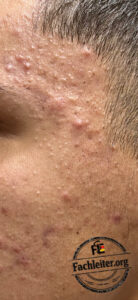
Acne is one of the most common skin disorders and mainly affects adolescents, but can also occur in adulthood. It arises from a combination of increased sebum production, disorders of follicular keratinization, an overgrowth of skin bacteria (Cutibacterium acnes) and an inflammatory response.
The condition preferentially occurs in sebum-rich skin areas, particularly the face, back, chest and shoulders.
Typical symptoms
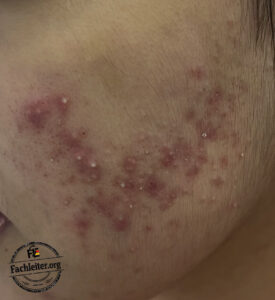
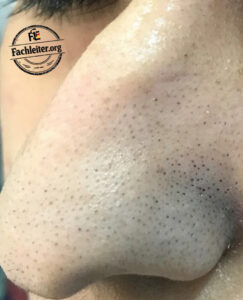
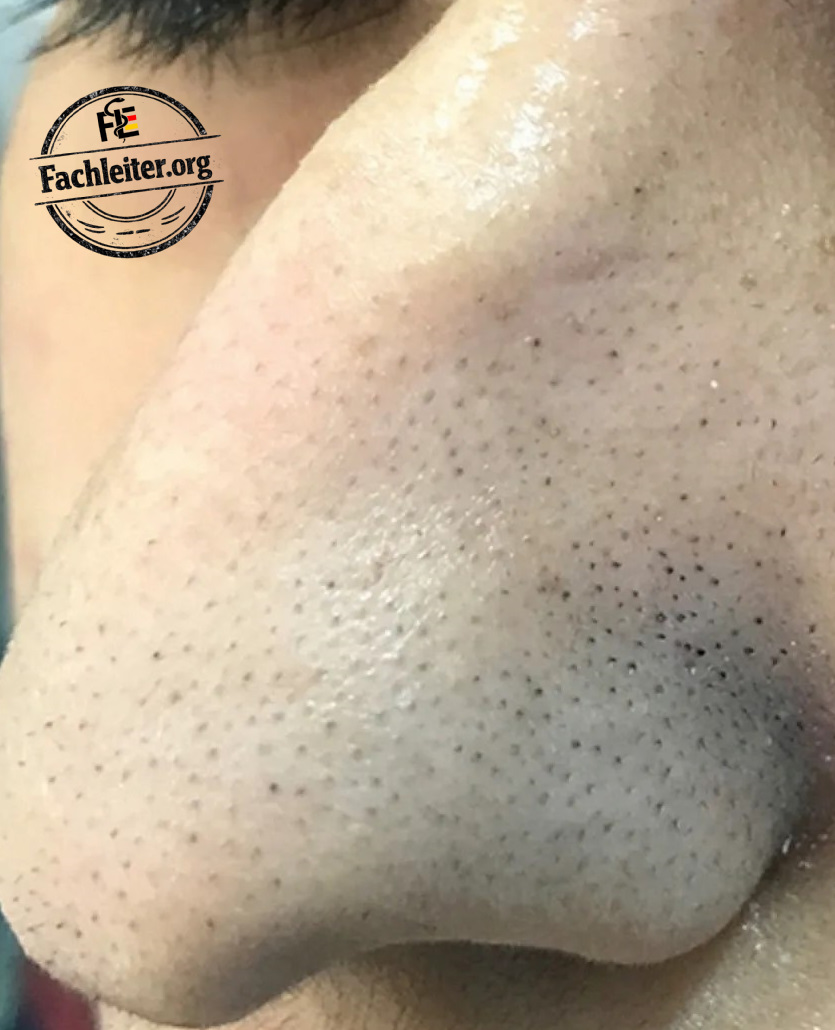
- Comedones (open and closed)
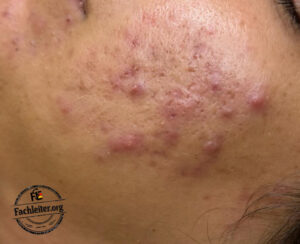
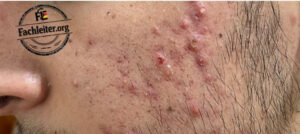
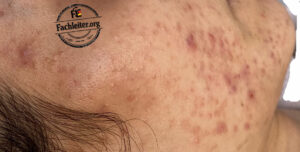
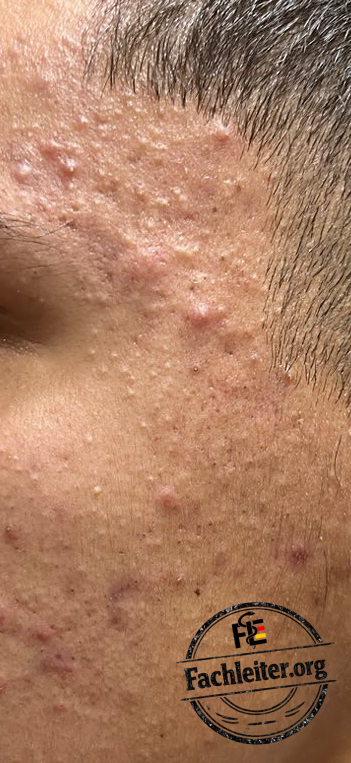
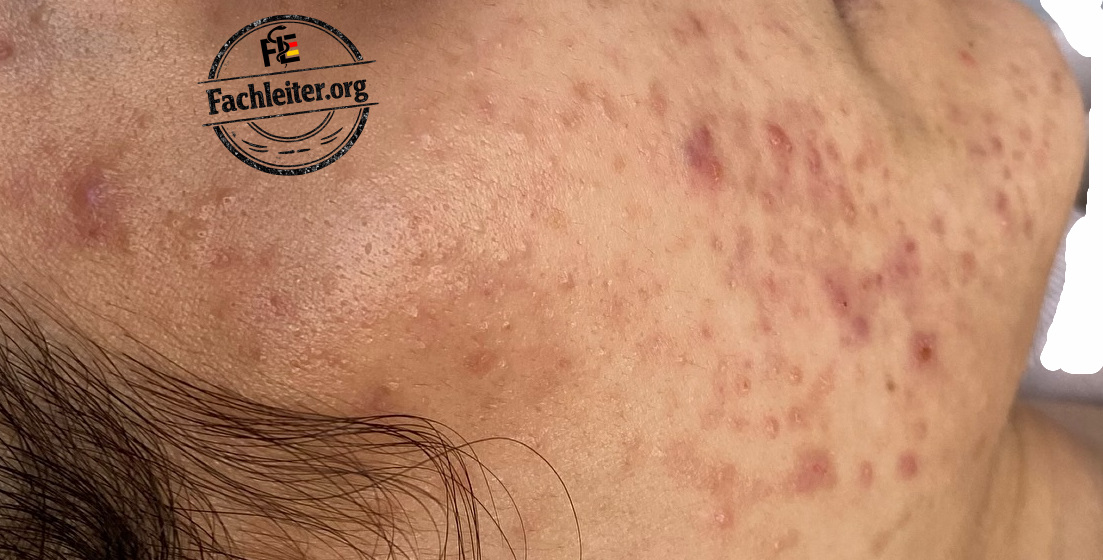
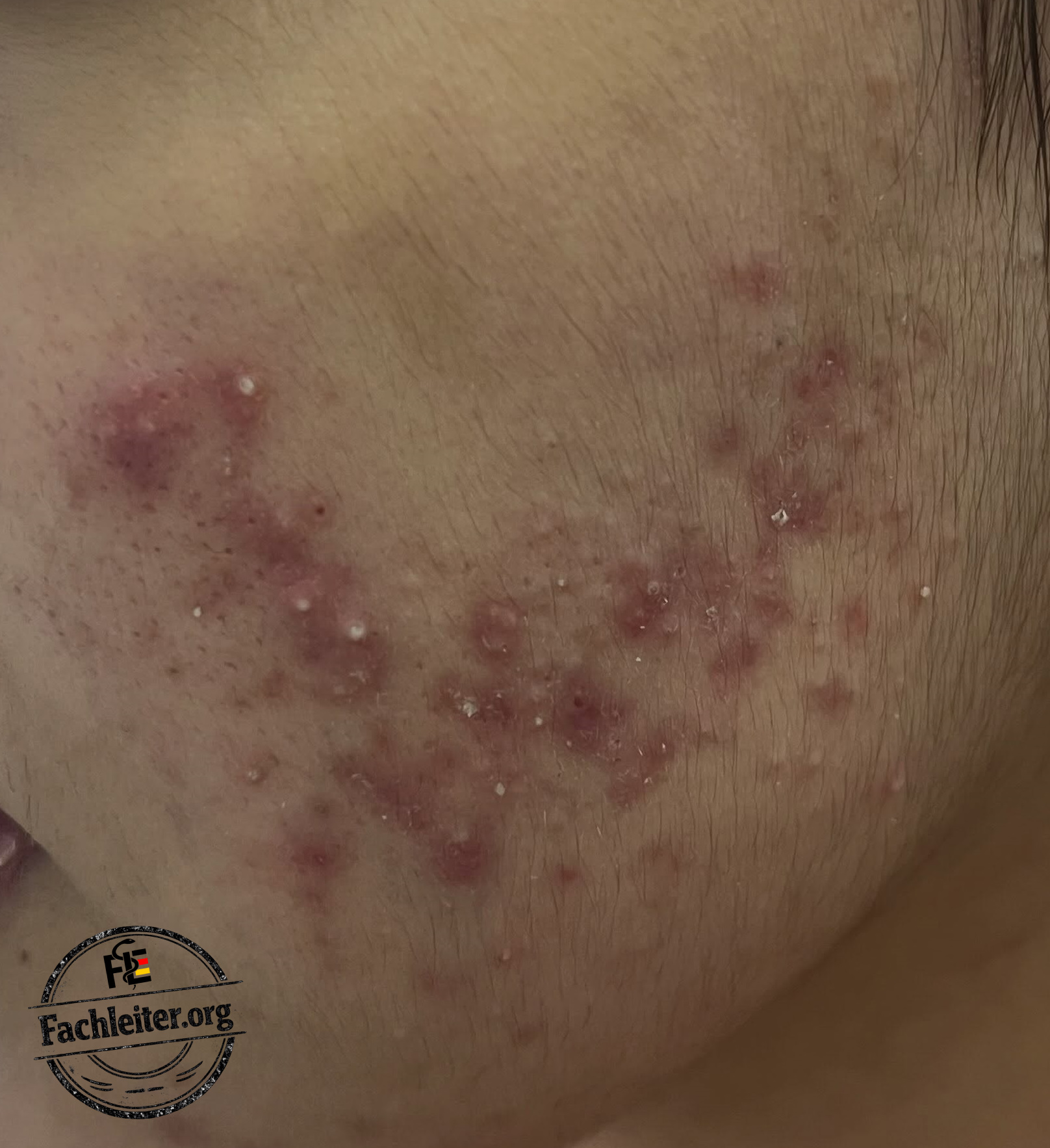
- Small red papules
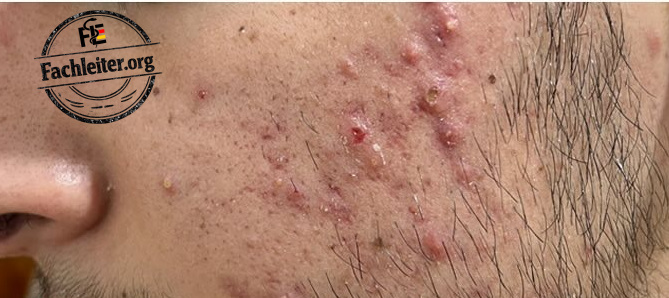
- Purulent pustules
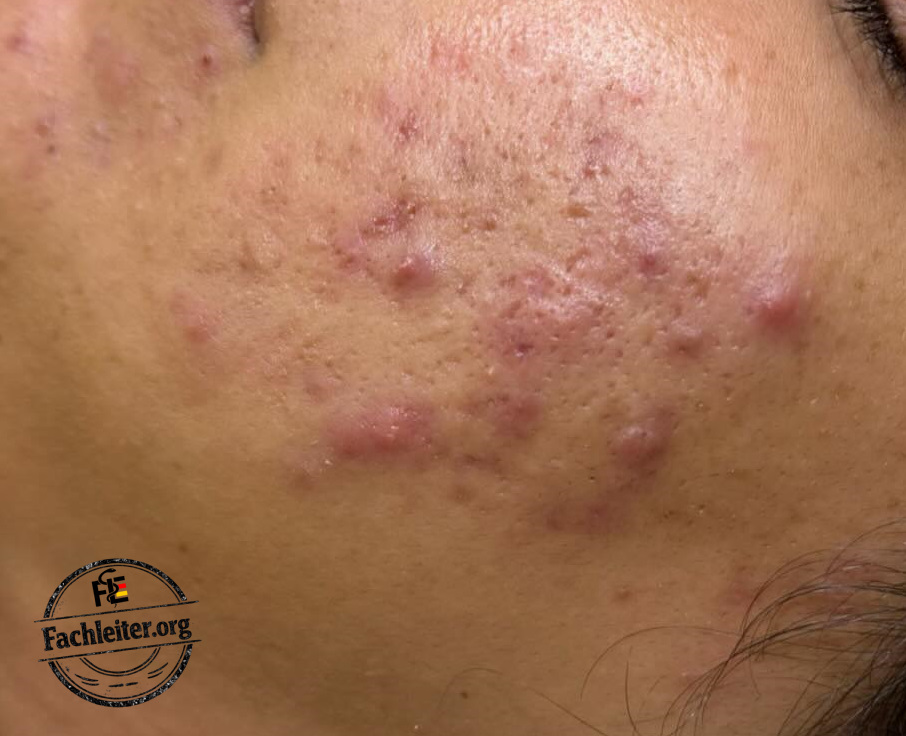
- Painful nodules (noduli)
- Cysts in severe cases
- Oily skin
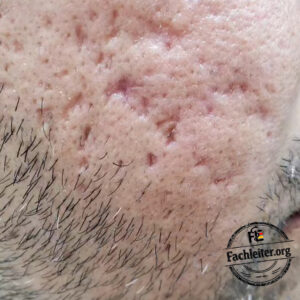
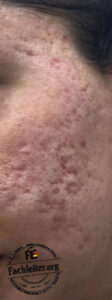
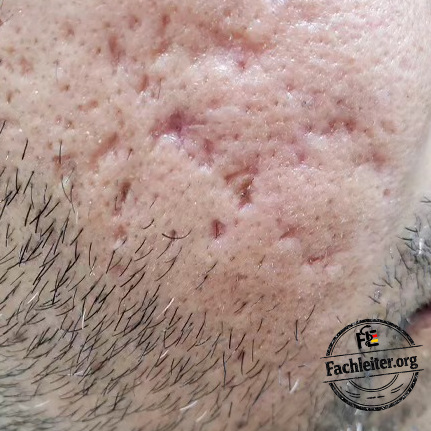
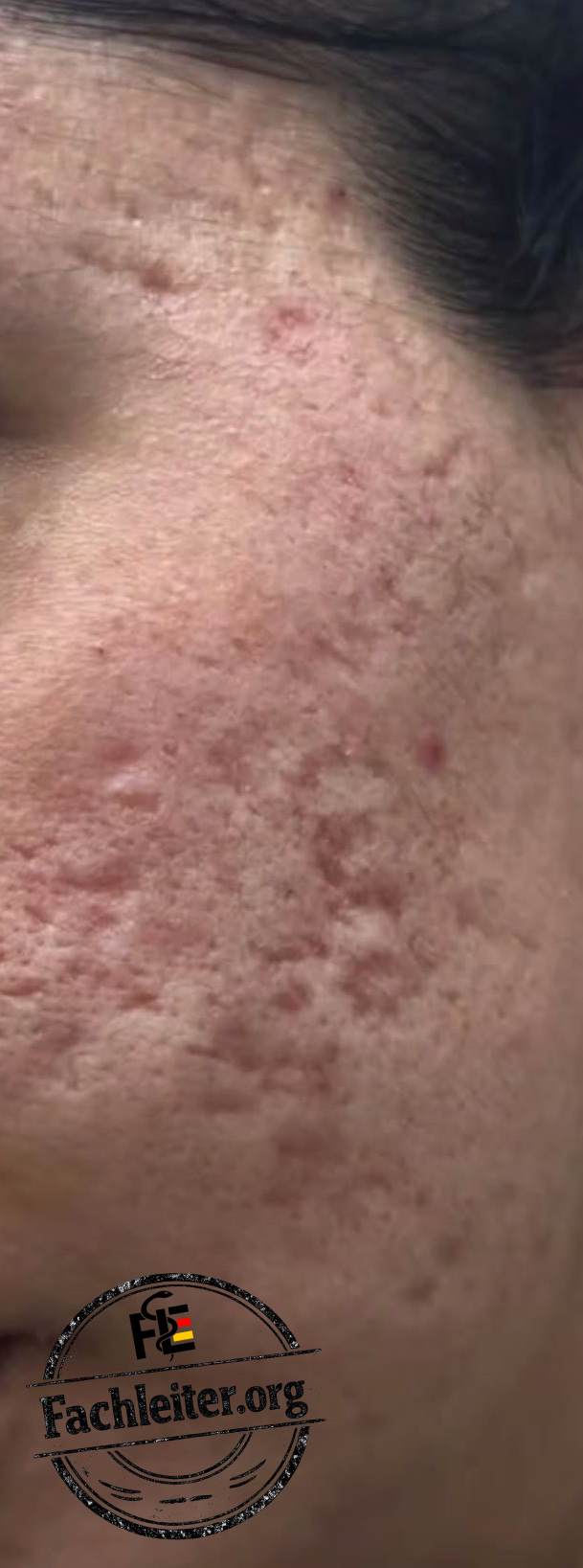
- Acne scars after healing
Common causes
Acne arises from the interaction of multiple factors:
- Hormonal changes (puberty, pregnancy, PCOS)
- Genetic predisposition
- Increased sebum production
- Obstruction of hair follicles
- Inflammatory reactions
- Certain medications (e.g., corticosteroids, lithium)
- Cosmetics with comedogenic ingredients
Risk factors
- Puberty
- Positive family history
- Hormonal disorders
- Oily skin
- Smoking (especially Acne inversa)
- Comedogenic cosmetics
- Mechanical irritation of the skin
- Some medications
Forms of acne
Acne comedonica
Predominantly comedones, few inflammatory lesions.
Acne papulopustulosa
Comedones as well as inflammatory papules and pustules.
Acne nodulocystica
Large painful nodules and cysts with a high risk of scarring.
Acne conglobata
Most severe form with deep inflammations, sinus tracts and pronounced scarring.
Acne tarda
Acne in adulthood, often in women.
Fachleiter
Treatment of acne
| Treatment | Active ingredient | Common brand names (Germany) | Typical dosage | Notes |
|---|---|---|---|---|
| Benzoyl peroxide (BPO) | Benzoyl peroxide | Benzaknen®, Cordes® BPO | 2,5–5 % gel or cream, 1× daily in the evening, possibly increasing to 2× daily | Antibacterial, prevents resistance, can irritate the skin and bleach textiles. |
| Topical retinoid | Adapalene | Differin®, Epiduo® (Adapalen + Benzoylperoxid) | Adapalen 0,1 % gel, 1× daily in the evening | Against comedones and inflammation. Do not use during pregnancy. |
| Topical retinoid | Tretinoin | Airol®, Cordes® VAS Creme | 0,025–0,05 % cream or gel, 1× daily in the evening | Skin irritation may occur at the beginning. |
| Azelaic acid | Azelaic acid | Skinoren®, Skinoren® Gel | 15–20 %, 2× daily | Well tolerated, also suitable for hyperpigmentation and during pregnancy. |
| Topical antibiotic | Clindamycin | Dalacin® T, Clindacne® | 1 % gel or solution, 1–2× daily | Use only in combination with benzoyl peroxide to avoid resistance. |
| Oral antibiotic | Doxycycline | Doxycyclin AL®, DoxyHEXAL® | 100 mg 1× daily for 8–12 weeks | Always combine with topical therapy. Observe sun protection. |
| Oral retinoid | Isotretinoin | Aknenormin®, Isotretinoin-ratiopharm® | Initially 0,3–0,5 mg/kg/day, later 0,5–1 mg/kg/day | Only under dermatological supervision. Strict pregnancy prevention required. |
| Hormonal therapy (women) | Ethinylestradiol + Dienogest / Drospirenon | Valette®, Yasmin® | 1 tablet daily according to the dosing schedule | Suitable for hormonally driven acne and when contraception is desired. |
| Hormonal therapy (Off-Label) | Spironolactone | Aldactone®, Jenaspiron® | 50–100 mg daily | Off-label in women with hormonal acne; regular potassium checks recommended. |
Fachleiter
Skincare
- Wash the face twice daily with a gentle cleanser.
- Do not squeeze pimples.
- Use non-comedogenic skincare products.
- Use sunscreen.
- Be patient – visible improvement usually occurs only after several weeks.
Possible complications
- Permanent scarring
- Hyperpigmentation
- Psychological distress
- Reduced self-esteem
- Rare bacterial superinfection
Frequently asked questions (FAQ)
- Is acne contagious?
No. - Should you squeeze pimples?
No. This increases the risk of inflammation and scarring. - Does sunlight help acne?
In the short term the skin’s appearance may improve; in the long term UV radiation can damage the skin and promote pigment spots. - Does diet play a role?
A diet with a high glycemic load and large amounts of dairy products can worsen acne in some affected individuals. The influence, however, varies between individuals. - Does acne go away on its own?
In many adolescents acne improves with increasing age. However, untreated moderate or severe acne can leave scars.